Hotel check-in has always been a make-or-break moment. Guests arrive after long journeys, often tired, impatient, or simply eager to get to their room. Traditionally, this moment involved queues, paperwork, ID checks, card swipes, and signatures. Even when done politely, the process felt slow and transactional.
- What Is Contactless Hotel Check-In?
- Contactless Check-In vs Mobile Check-In vs Kiosk Check-In
- Why Hotels Are Adopting Contactless Check-In
- How Contactless Hotel Check-In Works
- Core Technologies Behind Contactless Hotel Check-In
- Contactless Hotel Check-In and Guest Experience
- Operational Benefits of Contactless Hotel Check-In
- Contactless Check-In vs Kiosk Check-In
- Contactless Hotel Check-In and PMS Integration
- Security, Privacy, and Compliance Considerations
- Contactless Check-In for Different Hotel Types
- Challenges and Limitations of Contactless Hotel Check-In
- Choosing the Right Contactless Check-In System
- Best Practices for Implementing Contactless Hotel Check-In
- Common Mistakes Hotels Make With Contactless Check-In
- Future of Contactless Hotel Check-In
- Frequently Asked Questions – Contactless Hotel Check-In
Contactless hotel check-in emerged as a response to this friction. What started as a safety-driven solution has now become a guest expectation. Today, many travelers actively prefer hotels where they can complete arrival formalities digitally, on their own time, and with minimal physical interaction.
But contactless check-in is not just about convenience. When implemented correctly, it improves operational efficiency, reduces front desk pressure, minimizes errors, and gives hotels better control over arrivals. When implemented poorly, it confuses guests and alienates those who still value human interaction.
This guide explains contactless hotel check-in in a practical, hotel-first way. It focuses on how contactless check-in actually works, the technology behind it, how it impacts guest experience and operations, and how hotels can implement it without losing the essence of hospitality.
What Is Contactless Hotel Check-In?
Contactless hotel check-in is a digital process that allows guests to complete check-in formalities without physical interaction at the front desk. Guests verify their details, submit identification, make payments, receive room information, and access their room digitally, often before they arrive at the hotel.
A truly contactless check-in process typically includes:
- Pre-arrival digital registration
- Online ID verification
- Digital payment authorization
- Room assignment without desk interaction
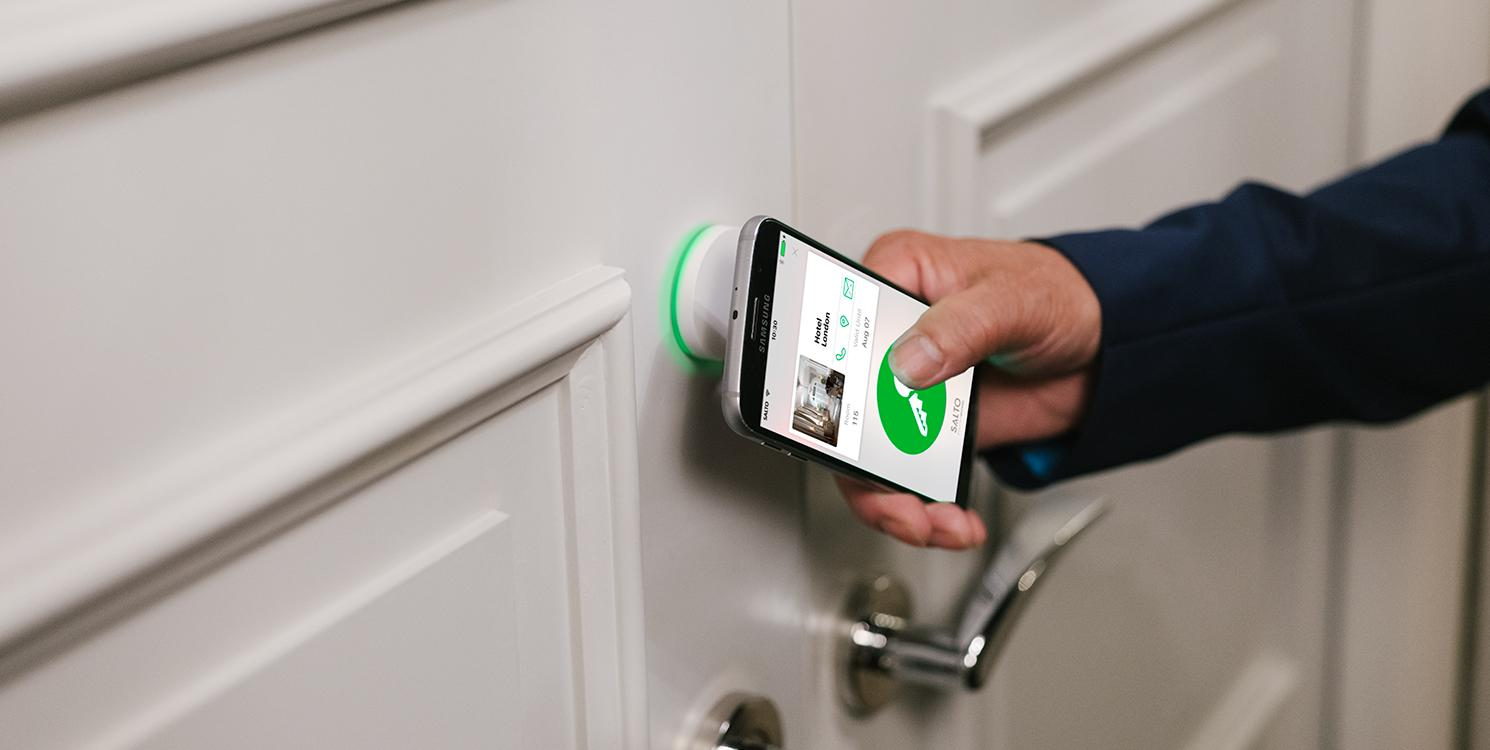
- Digital room key or access code
The key idea is control and choice. Guests can check in when it suits them, and staff intervene only when needed.
Contactless Check-In vs Mobile Check-In vs Kiosk Check-In
These terms are often used interchangeably, but they are not the same.
- Mobile check-in allows guests to check in using their phone or a web link.
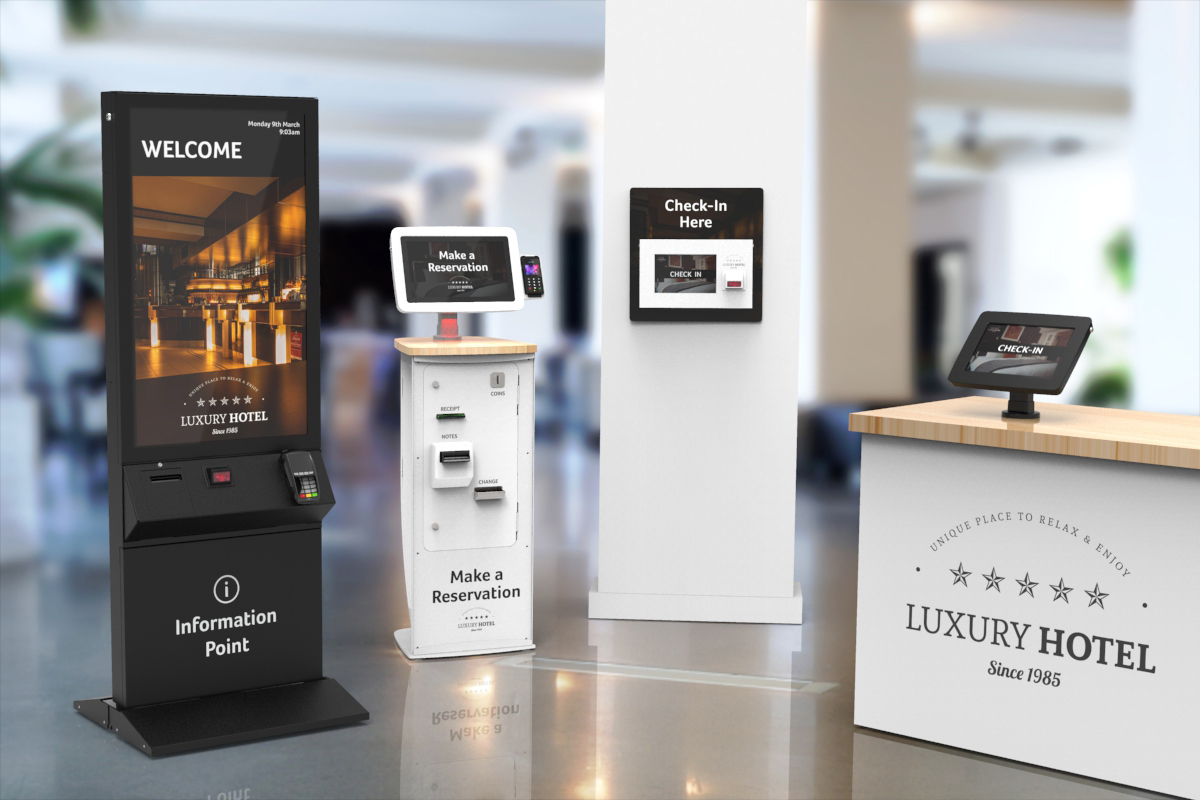
- Kiosk check-in allows guests to check in using a self-service machine at the hotel.
- Contactless check-in refers to the broader concept of reducing physical touchpoints, often using mobile or web-based processes.
Many hotels use a hybrid model, combining mobile check-in, kiosks, and traditional front desk service to serve different guest preferences.
Why Hotels Are Adopting Contactless Check-In
Guest Demand for Speed and Convenience
Guests increasingly value speed over ceremony. Business travelers, frequent guests, and younger travelers often prefer minimal interaction during arrival.
Reduced Physical Touchpoints
Contactless check-in reduces handling of documents, cards, and terminals, which many guests still prefer to avoid.
Lower Front Desk Congestion
Peak arrival times strain staff. Contactless processes distribute arrivals more evenly and reduce queues.
Operational Efficiency
Digital check-in reduces repetitive manual work, allowing staff to focus on service rather than administration.
How Contactless Hotel Check-In Works
While implementations vary, most contactless check-in systems follow a similar journey.
Pre-Arrival Communication
Before arrival, guests receive a message or link inviting them to complete check-in digitally. This step is critical. Clear communication determines adoption.
Guests are asked to:
- Confirm booking details
- Provide arrival time
- Begin registration
Digital Registration and ID Verification
Guests upload identification documents through a secure platform. Some systems use OCR or automated verification to speed up validation.
This reduces front desk workload and ensures compliance with local regulations.
Payment Authorization
Guests:
- Pay outstanding balances
- Authorize security deposits
- Confirm payment methods
Secure, compliant payment handling is essential for trust.
Room Assignment
Once eligibility is confirmed, the PMS assigns a room automatically or semi-automatically based on availability and rules.
This step must sync in real time to avoid conflicts.
Digital Key or Access Delivery
Guests receive:
- A digital room key via mobile app
- Or a PIN/access code
They can go straight to their room without stopping at reception.
Core Technologies Behind Contactless Hotel Check-In
Contactless check-in works only when systems are properly connected.
Mobile and Web-Based Check-In Platforms
These allow guests to complete check-in from any device without downloading heavy apps.
PMS Integration
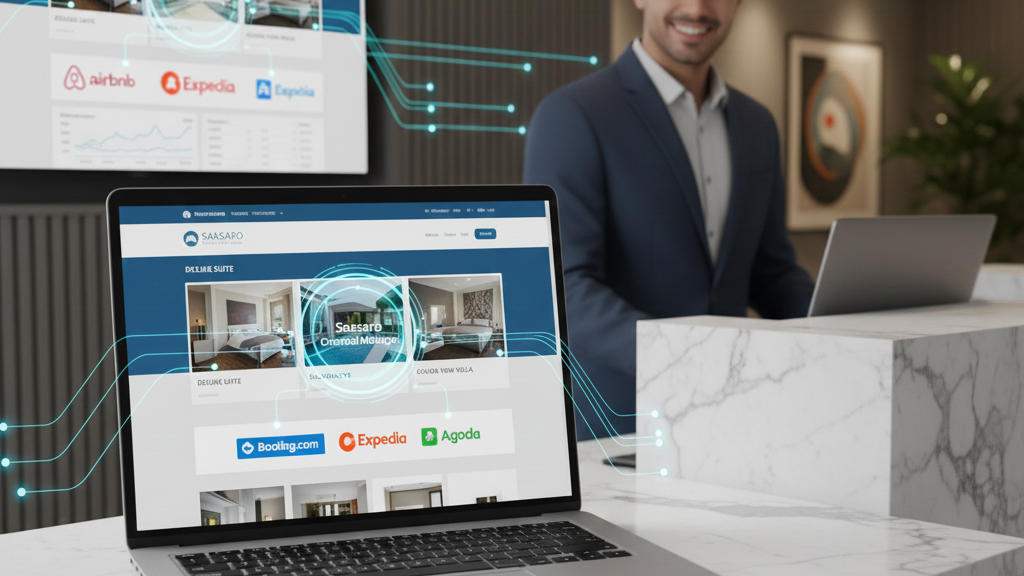
The PMS is the system of record. All check-in actions must update it instantly.
Digital Payment Systems
Secure gateways handle payments, deposits, and refunds.
Digital Key and Access Control
Smart locks or access systems enable room entry without physical keys.
Guest Communication Tools
Messaging platforms guide guests through the process and provide support.
Contactless Hotel Check-In and Guest Experience
Reduced Waiting Time
Guests arrive and go straight to their room, avoiding queues.
Arrival Flexibility
Late arrivals, early arrivals, and off-peak check-ins become easier to manage.
Guest Segments That Prefer Contactless Check-In
- Business travelers
- Frequent guests
- Airport and transit hotel guests
- Tech-comfortable travelers
Balancing Automation With Human Service
Contactless check-in should be optional. Guests who want assistance must still feel welcome.
Operational Benefits of Contactless Hotel Check-In
Reduced Front Desk Workload
Staff handle fewer repetitive tasks and more meaningful interactions.
Faster Throughput During Peak Hours
High arrival volumes are managed without additional staffing.
Fewer Manual Errors
Automated data capture reduces spelling mistakes, payment errors, and document mishandling.
Better Arrival Planning
Hotels gain visibility into arrival patterns before guests show up.
Contactless Check-In vs Kiosk Check-In
Contactless Check-In
- Uses guest’s personal device
- Best for pre-arrival completion
- Minimal physical interaction
Kiosk Check-In
- Uses hotel-owned device
- Ideal for walk-ins and guests without smartphones
- Still touch-based but self-service
Many hotels combine both to cover all scenarios.
Contactless Hotel Check-In and PMS Integration
Real-Time Availability
Rooms must not be assigned twice. PMS sync is non-negotiable.
Guest Data Synchronization
ID details, preferences, and payment status update automatically.
Avoiding Duplicate Check-Ins
Clear rules prevent conflicts between mobile, kiosk, and front desk check-ins.
Why Integration Quality Matters
Most failures are integration failures, not concept failures.
Security, Privacy, and Compliance Considerations
Data Protection
Guest data must be encrypted and stored securely.
ID Verification Security
Uploaded documents should be protected and deleted according to policy.
Payment Security
Systems must comply with payment security standards.
Guest Consent and Transparency
Guests should understand what data is collected and why.
Trust is part of contactless hospitality.
Contactless Check-In for Different Hotel Types
Budget Hotels
Contactless check-in reduces staffing pressure and speeds arrivals.
Boutique Hotels
Best offered as an option while preserving personal welcome.
Luxury Hotels
Works well for repeat or late-arriving guests when paired with personal follow-up.
Airport and Transit Hotels
Highly effective due to short stays and irregular arrival times.
Serviced Apartments and Resorts
Supports flexible arrival windows and longer stays.
Challenges and Limitations of Contactless Hotel Check-In
Guest Technology Comfort
Not all guests are equally tech-savvy. Simplicity matters.
Device Dependency
Guests without smartphones need alternatives.
System Downtime
Hotels must always have a fallback process.
Accessibility Concerns
Design must accommodate all guests.
Choosing the Right Contactless Check-In System
Hotel Size and Guest Profile
High-volume hotels benefit most, but even small hotels can gain efficiency.
PMS Compatibility
Native or certified integrations reduce risk.
Mobile App vs Web-Based Solutions
Web-based check-in often achieves higher adoption.
Cost and ROI Evaluation
ROI comes from efficiency, not staff elimination alone.
Vendor Support
Support quality matters more than features.
Best Practices for Implementing Contactless Hotel Check-In
Clear Guest Communication
Explain benefits simply and early.
Hybrid Arrival Strategy
Offer choice, not enforcement.
Staff Training and Backup Processes
Staff should support contactless flows, not compete with them.
Continuous Monitoring
Track usage, drop-offs, and guest feedback.
Common Mistakes Hotels Make With Contactless Check-In
- Removing human service entirely
- Overcomplicating the process
- Poor guest education
- Ignoring exceptions and edge cases
- Treating contactless as a cost-cutting shortcut
Technology should enhance hospitality, not replace it.
Future of Contactless Hotel Check-In
Biometrics and Facial Recognition
Faster identity verification with privacy safeguards.
AI-Driven Arrivals
Smarter room allocation and timing.
Fully Touchless Guest Journeys
From arrival to departure without physical touchpoints.
Deeper Smart Hotel Integration
Contactless check-in becoming part of a connected ecosystem.
Frequently Asked Questions – Contactless Hotel Check-In
What is contactless hotel check-in?
A digital check-in process that minimizes physical interaction.
Do guests prefer contactless check-in?
Many do, especially frequent and business travelers.
Is contactless check-in expensive?
Costs vary, but efficiency gains often justify investment.
Can small hotels implement contactless check-in?
Yes. Simpler systems work well for small properties.
Contactless hotel check-in is not a trend. It is a shift in how guests expect to arrive. When implemented thoughtfully, it removes friction, improves efficiency, and gives guests control without sacrificing hospitality.
The most successful hotels treat contactless check-in as part of a hybrid arrival strategy, blending automation with human warmth. In a world where time, comfort, and choice matter more than ever, contactless check-in is no longer optional. It is a practical tool for modern hotel operations.