Hospitality has always been about people, but the way hotels support people is changing. Rising guest expectations, staffing challenges, operational complexity, and cost pressures are pushing hotels to rethink how work gets done. This is where smart hotel technology enters the picture.
- What Is Smart Hotel Technology?
- Why Smart Hotel Technology Is Important
- Core Components of Smart Hotel Technology
- Smart Hotel Technology for Guest Experience
- Smart Hotel Technology for Operations
- Smart Hotel Technology and Data Integration
- Internet of Things (IoT) in Smart Hotels
- Smart Hotel Technology and Revenue Growth
- Challenges in Implementing Smart Hotel Technology
- Choosing the Right Smart Hotel Technology
- Smart Hotel Technology for Different Hotel Types
- Common Mistakes Hotels Make With Smart Technology
- Future Trends in Smart Hotel Technology
- Frequently Asked Questions – Smart Hotel Technology
Smart hotel technology is not about replacing hospitality with machines. It is about removing friction. It helps hotels automate repetitive tasks, reduce errors, improve energy efficiency, and create smoother guest journeys without losing the human touch. When done well, guests barely notice the technology. They simply feel that the hotel “works better.”
This guide explains smart hotel technology in a practical, hotel-first way. It cuts through buzzwords and focuses on what smart technology actually means in day-to-day hotel operations, how it improves guest experience and efficiency, where it delivers real ROI, and how hotels should approach adoption without overspending or overwhelming staff.
What Is Smart Hotel Technology?
Smart hotel technology refers to the use of connected systems, automation, sensors, and data-driven software to improve hotel operations, guest experience, and resource management. These systems communicate with each other and respond intelligently to real-time conditions.
Unlike traditional hotel software that requires manual input at every step, smart technology reacts automatically. Lights turn off when rooms are vacant. Temperature adjusts based on occupancy. Guests check in digitally. Maintenance issues are flagged before they become complaints.
The defining features of smart hotel technology are:
- Automation
- Connectivity
- Real-time data
- Integration across systems
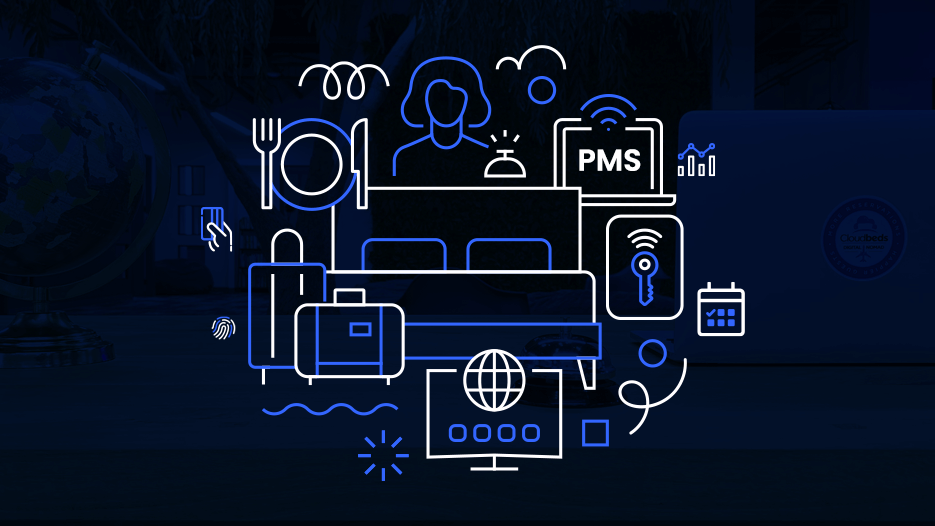
Smart technology is not a single product. It is an ecosystem of tools working together.
Why Smart Hotel Technology Is Important
Rising Guest Expectations
Guests are used to smart experiences in their daily lives. They expect convenience, speed, and control. Hotels that feel outdated struggle to meet these expectations.
Operational Efficiency and Cost Control
Smart systems reduce manual work, lower energy consumption, and improve staff productivity. Efficiency is no longer optional as margins tighten.
Labor Challenges in Hospitality
Staff shortages and high turnover make automation essential. Smart tools help teams do more with fewer people.
Competitive Advantage and Future Readiness
Hotels that adopt smart technology thoughtfully stay adaptable. Those that resist often fall behind quietly.
Core Components of Smart Hotel Technology
Smart hotels are built on a few core technology pillars.
Smart Room Technology
Smart rooms are often the most visible part of smart hotels.
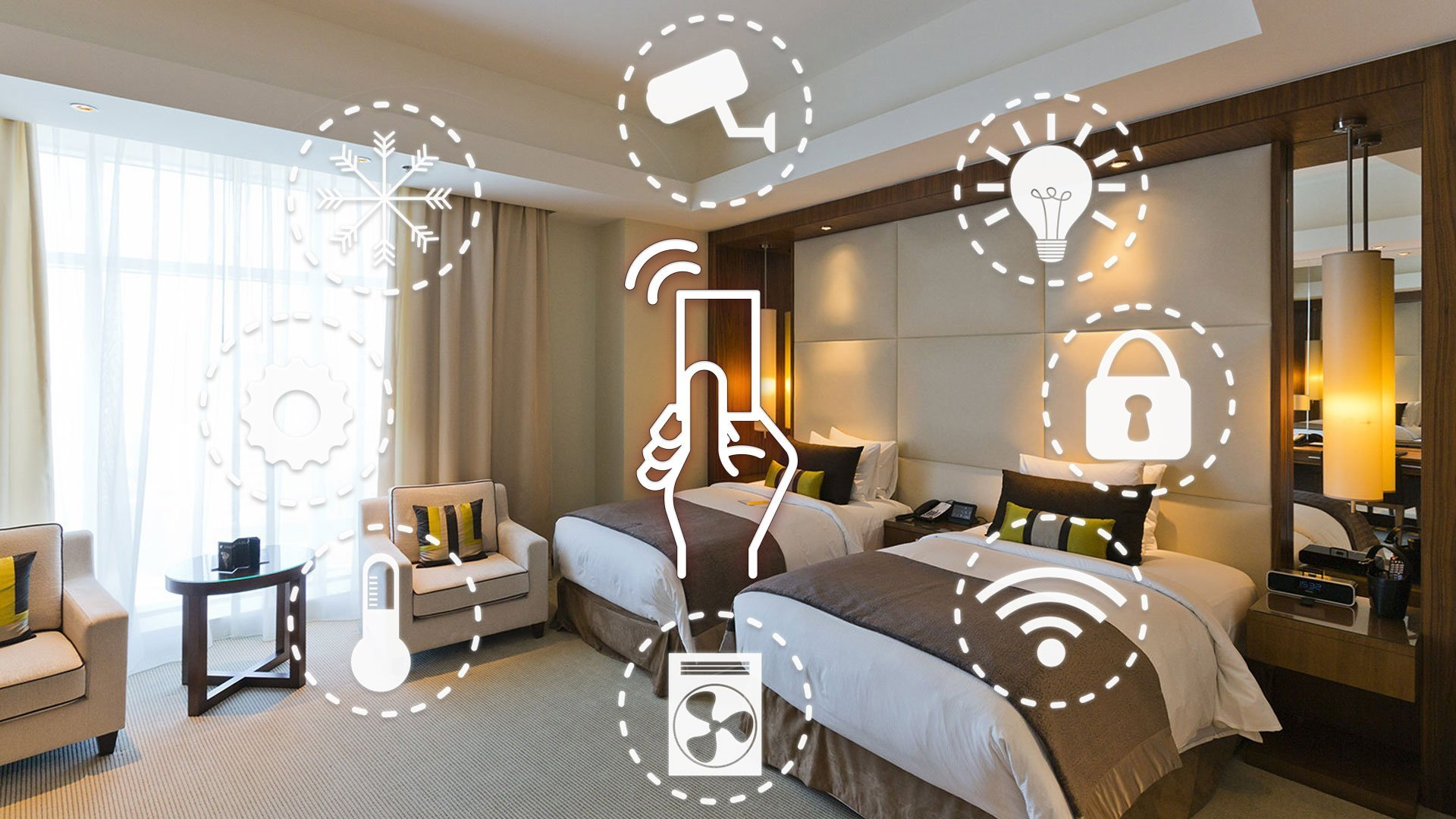
Key features include:
- Keyless entry via mobile or digital keys
- Smart lighting that adjusts automatically
- Smart climate control based on occupancy
- Centralized in-room controls
- Voice-controlled assistants (in some hotels)
The goal is comfort and energy efficiency, not complexity. Guests should never need instructions to use smart features.
Smart Front Desk and Check-In
Smart front desk technology reduces queues and pressure on staff.
Examples include:
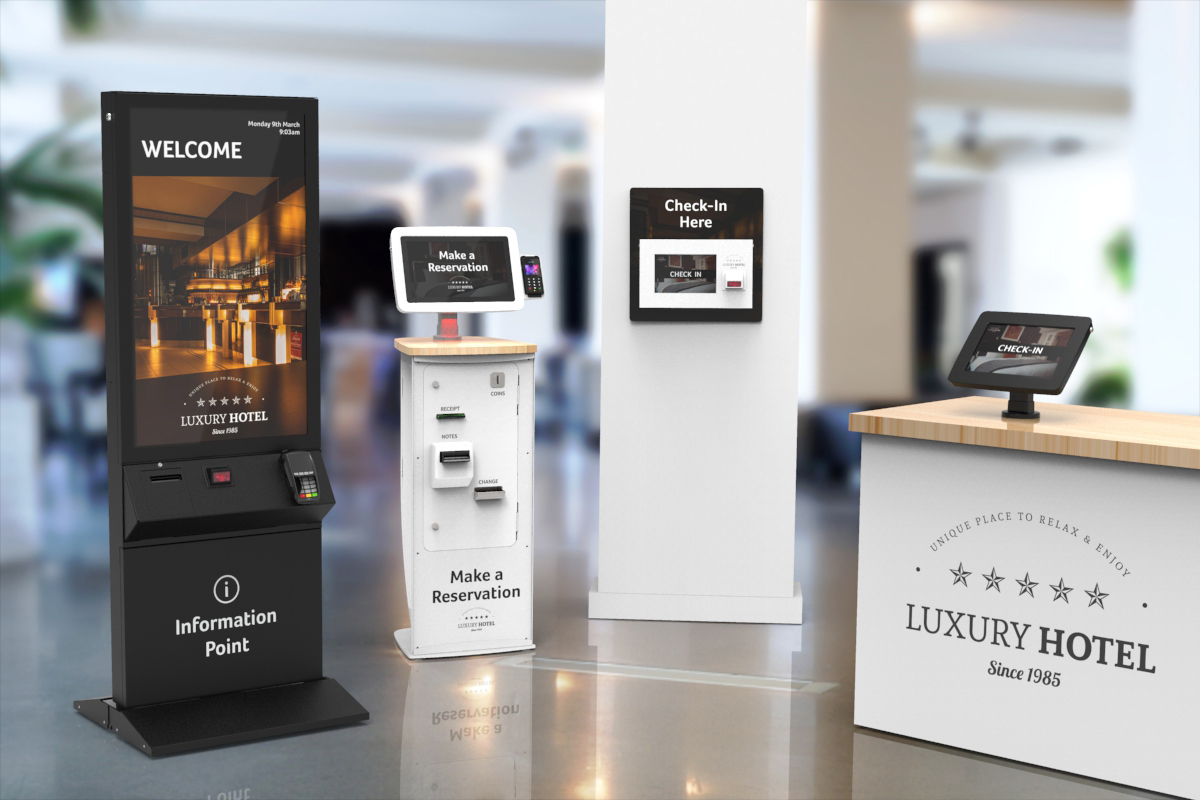
- Mobile check-in and check-out
- Digital registration and ID capture
- Self-service kiosks
- Automated room assignment
Staff are freed to focus on guest interaction rather than paperwork.
Smart Energy and Sustainability Systems
Energy is one of the largest hotel expenses.
Smart energy systems include:
- Occupancy-based lighting
- Smart thermostats
- Energy management dashboards
- Water usage monitoring
These systems reduce waste without affecting guest comfort.
Smart Security Systems
Security is part of guest trust.
Smart security includes:
- Digital access control
- Smart locks
- Integrated CCTV and monitoring
- Emergency alert systems
Automation improves safety while reducing manual oversight.
Smart Hotel Technology for Guest Experience
Smart technology should enhance experience without demanding attention.
Personalization Without Effort
Smart systems remember preferences like temperature, lighting, or room settings. Guests feel recognized without being asked repeatedly.
Convenience Over Novelty
Guests value ease more than innovation. Faster check-in, reliable Wi-Fi, and simple controls matter more than flashy features.
Invisible Technology
The best smart hotels feel intuitive. Technology fades into the background.
Smart Hotel Technology for Operations
Behind the scenes, smart technology transforms how hotels run.
Automating Repetitive Tasks
Routine processes like room status updates, energy control, and service requests can be automated, reducing staff workload.
Improving Housekeeping Efficiency
Housekeeping teams receive real-time room status updates. Clean rooms are allocated faster. Delays are reduced.
Predictive Maintenance
Sensors detect issues early, preventing breakdowns and guest complaints.
Reducing Operational Errors
Automation reduces reliance on memory and manual updates, improving accuracy.
Smart Hotel Technology and Data Integration
Smart systems deliver value only when connected.
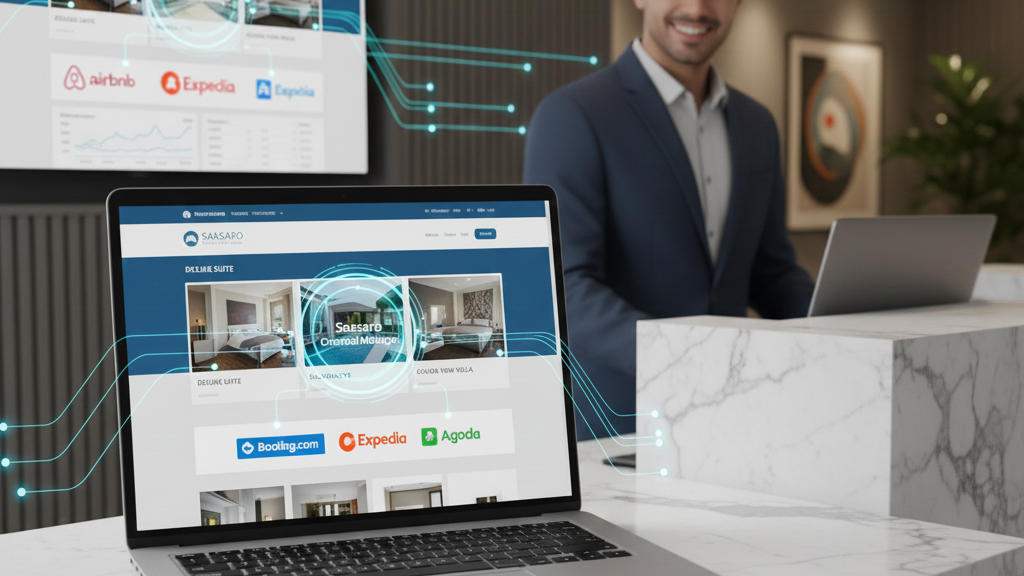
Integration With Core Hotel Systems
Smart technology should integrate with:
- PMS
- CRM
- Guest communication tools
- Revenue systems
Disconnected tools create confusion instead of efficiency.
Centralized Data for Decision-Making
Integrated data helps management understand patterns, costs, and opportunities.
Avoiding Fragmentation
Too many isolated “smart” tools increase complexity. Integration matters more than quantity.
Internet of Things (IoT) in Smart Hotels
IoT is the backbone of smart hotel technology.
What IoT Means in Hospitality
IoT refers to connected devices that collect and exchange data automatically.
Examples of IoT in Hotels
- Motion sensors
- Smart thermostats
- Energy meters
- Water leak detectors
- Equipment monitoring sensors
Benefits of IoT
- Energy savings
- Predictive maintenance
- Improved comfort
Challenges
- Installation cost
- Data security
- System compatibility
IoT works best when implemented gradually.
Smart Hotel Technology and Revenue Growth
Smart technology also supports revenue strategies.
Dynamic Pricing Support
Accurate demand data feeds pricing decisions.
Upselling Through Smart Systems
Pre-arrival and in-stay systems can offer relevant upgrades or services.
Personalized Offers
CRM-integrated smart systems enable targeted promotions without spamming guests.
Revenue grows when technology supports relevance, not pressure.
Challenges in Implementing Smart Hotel Technology
Cost Considerations
Smart technology requires upfront investment. ROI must be evaluated carefully.
Staff Training and Adoption
Technology fails when staff resist or misunderstand it. Training is essential.
Guest Acceptance
Not all guests want high-tech experiences. Flexibility matters.
Data Security and Privacy
Smart systems collect data. Hotels must protect it responsibly.
Choosing the Right Smart Hotel Technology
Align Technology With Hotel Goals
Technology should solve problems, not create them.
Prioritize ROI Over Novelty
New does not always mean useful. Choose impact over trends.
Phased Implementation
Start small. Expand once benefits are proven.
Vendor Selection
Choose vendors with hospitality experience and strong support.
Smart Hotel Technology for Different Hotel Types
Budget Hotels
Focus on energy management and operational efficiency.
Boutique Hotels
Use smart tech to support personalization without overwhelming guests.
Luxury Hotels
Discreet automation and seamless personalization are critical.
Resorts and Multi-Property Groups
Centralized control and scalability matter most.
Common Mistakes Hotels Make With Smart Technology
- Adopting technology without a strategy
- Over-automating guest interactions
- Ignoring staff feedback
- Poor integration planning
- Treating smart tech as a marketing gimmick
Smart technology should support hospitality, not replace it.
Future Trends in Smart Hotel Technology
AI-Driven Personalization
Smarter systems will anticipate guest needs.
Predictive Maintenance
Maintenance will shift from reactive to preventive.
Robotics and Automation
Robots may assist with deliveries and cleaning in specific contexts.
Voice and Gesture-Based Controls
Interfaces will become more natural.
Smart Hotels as Ecosystems
Hotels will operate as connected systems rather than isolated departments.
Frequently Asked Questions – Smart Hotel Technology
What is smart hotel technology?
Technology that automates and connects hotel operations and guest services.
Are smart hotels expensive to implement?
Costs vary. Many systems deliver savings over time.
Do guests actually want smart hotel features?
Guests want convenience, not complexity.
Can small hotels use smart technology?
Yes. Starting small often delivers the best ROI.
Smart hotel technology is not about the future. It is about the present reality of running hotels efficiently while meeting modern guest expectations. When implemented thoughtfully, smart systems reduce friction, save costs, empower staff, and improve guest satisfaction without diminishing the human element of hospitality.
The smartest hotels are not the ones with the most technology, but the ones where technology quietly supports people. In a competitive hospitality landscape, smart hotel technology is no longer optional. It is a strategic enabler for sustainable growth.