A hotel can have beautiful rooms, competitive prices, and a great location, yet still struggle to stand out. Another hotel nearby, offering similar facilities, may consistently attract loyal guests and command higher rates. The difference is rarely luck. It is branding.
- What Is Hotel Branding?
- Hotel Branding vs Hotel Marketing
- Why Hotel Branding Is Critical for Long-Term Success
- Core Elements of a Strong Hotel Brand
- Hotel Branding Tips for Defining Your Brand Identity
- Hotel Branding Tips for Guest Experience
- Hotel Branding Tips for Digital Presence
- Hotel Branding Tips for Staff and Culture
- Branding Tips for Different Hotel Types
- Hotel Branding and Storytelling
- Common Hotel Branding Mistakes to Avoid
- Measuring the Success of Hotel Branding
- Future Trends in Hotel Branding
- Frequently Asked Questions About Hotel Branding
- Conclusion
Hotel branding is not about logos or taglines alone. It is about perception. It is the feeling guests get when they hear your hotel’s name, scroll through your website, walk into your lobby, or remember their stay months later. In a crowded hospitality market, branding is what transforms a hotel from a commodity into a choice.
This guide shares practical, experience-driven hotel branding tips that help hotels build trust, increase recall, improve pricing power, and create emotional connections with guests. Whether you run a boutique hotel, a budget property, or an independent hotel competing with big chains, branding is your strongest long-term advantage.
What Is Hotel Branding?
Hotel branding is the process of shaping how guests perceive your hotel before, during, and after their stay. It includes your visual identity, communication style, service standards, atmosphere, values, and the emotions guests associate with your property.
Branding goes far beyond design. A hotel’s brand lives in staff behavior, guest interactions, cleanliness standards, problem-solving approach, and even how complaints are handled. Every touchpoint either strengthens or weakens the brand.
While marketing attracts attention, branding builds memory. Marketing may bring a guest once, but branding brings them back.
Hotel Branding vs Hotel Marketing
Marketing promotes your hotel. Branding defines your hotel.
Marketing answers questions like where to advertise, which channels to use, and what offers to run. Branding answers deeper questions such as who you are, what you stand for, and why guests should trust you.
Without strong branding, marketing becomes expensive and inconsistent. With strong branding, marketing becomes easier because the message is clear and believable. Successful hotels treat branding as the foundation and marketing as the amplifier.
Why Hotel Branding Is Critical for Long-Term Success
Branding Builds Guest Trust
Travel involves risk. Guests want reassurance before booking. A consistent, professional brand reduces uncertainty and builds confidence. When branding is clear and aligned across platforms, guests feel safer choosing your hotel.
Branding Increases Pricing Power
Hotels with strong brands are less dependent on discounts. Guests are willing to pay more when they trust the experience. Branding shifts competition away from price and toward value.
Branding Drives Repeat Bookings
Guests do not return to rooms. They return to feelings. When a hotel delivers a branded experience that feels familiar and reliable, repeat bookings increase naturally.
Branding Strengthens Online Reputation
Clear branding shapes guest expectations. When expectations match reality, reviews improve. Many negative reviews stem from expectation gaps rather than actual service failure.
Core Elements of a Strong Hotel Brand
Brand Vision and Values
A strong hotel brand starts with clarity of purpose. Why does your hotel exist beyond making money? Is it about warmth, efficiency, local immersion, simplicity, or indulgence?
Clear values guide decisions, from service style to design choices. They also help staff understand how to behave when situations are not covered by SOPs.
Brand Personality and Voice
Every hotel has a personality, whether intentional or accidental. Your brand voice may be friendly, elegant, relaxed, professional, or playful. The key is consistency.
The way your website speaks, how staff greet guests, and how emails are written should all sound like the same hotel.
Visual Identity
Visual elements such as logo, colors, fonts, photography style, and signage create immediate recognition. Visual identity should reflect your hotel’s positioning and guest expectations.
Overdesigned visuals without operational alignment can hurt credibility. Simplicity and consistency often work better than complexity.
Service Standards as Branding Tools
Service delivery is the most powerful branding element in hospitality. How staff respond to requests, handle mistakes, and interact with guests defines the brand more than any advertisement.
Service standards should reflect brand values clearly and consistently.
Hotel Branding Tips for Defining Your Brand Identity
Identify Your Target Guest Clearly
Branding becomes weak when hotels try to appeal to everyone. A clear target guest allows sharper messaging and experience design.
Ask who your ideal guest is, what they value, how they travel, and why they would choose your hotel. Branding should speak directly to this guest.
Define Your Unique Selling Proposition
Your USP is what differentiates your hotel meaningfully. It could be personalized service, local experiences, design aesthetics, simplicity, or value efficiency.
A good USP is specific, believable, and consistently delivered. Avoid generic claims like “best service” unless you can clearly demonstrate it.
Create a Clear Brand Positioning Statement
A positioning statement aligns internal teams and external communication. It defines who you serve, what you offer, and how you are different.
Strong positioning keeps branding focused and prevents confusion.
Hotel Branding Tips for Guest Experience
Branding Through First Impressions
First impressions begin before arrival. Your website, booking confirmations, and pre-arrival communication should reflect brand tone clearly.
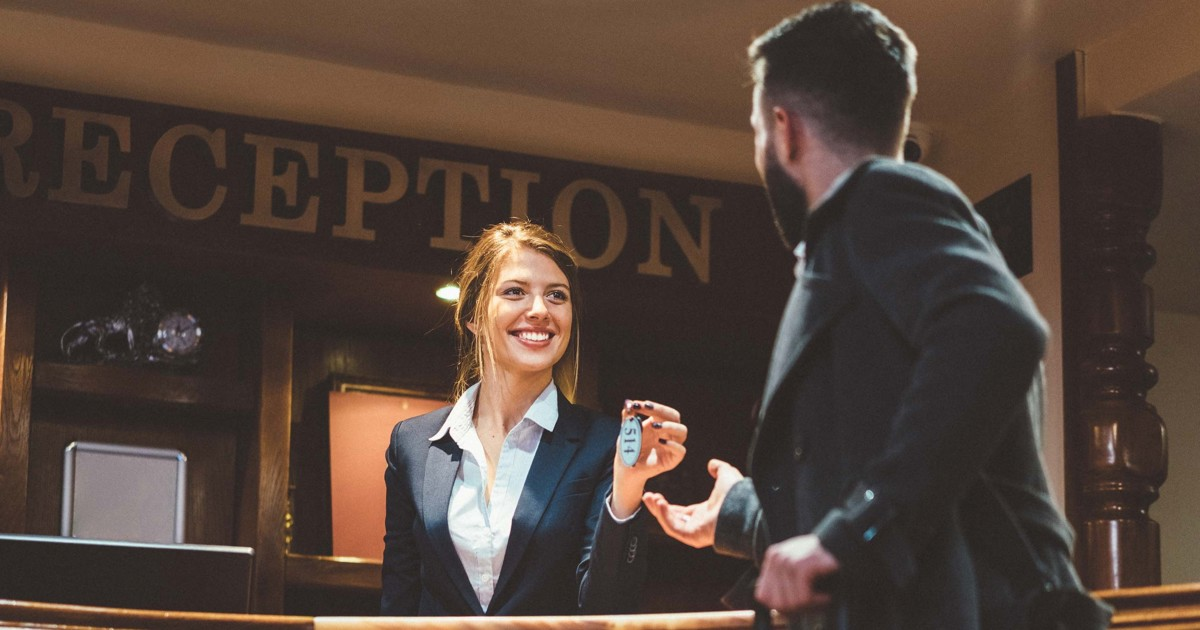
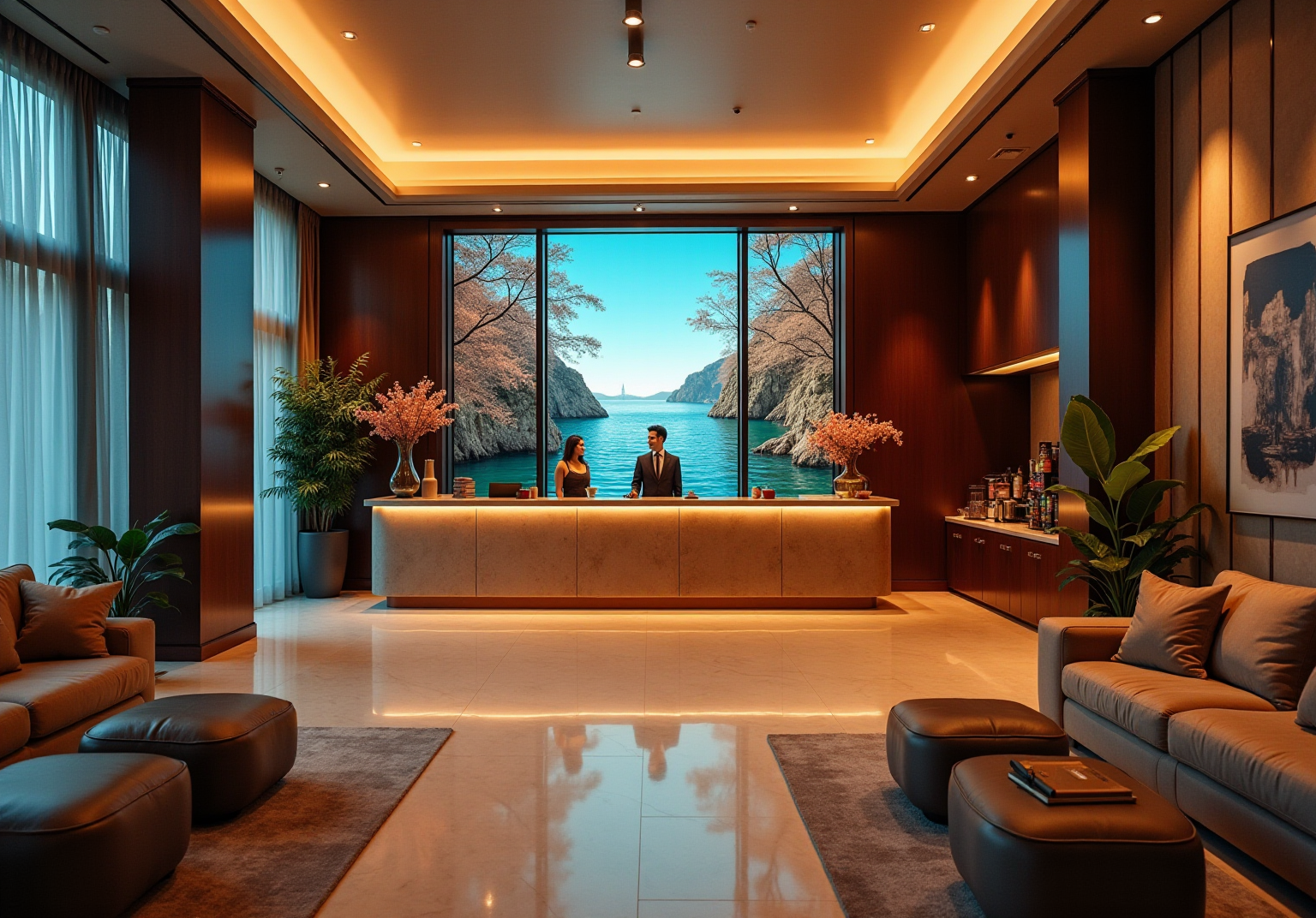
Arrival experience is critical. Lobby ambiance, staff greeting, signage, and check-in process set the emotional tone for the stay.
In-Stay Branding Touchpoints
Every interaction during the stay reinforces branding. Staff behavior, room design, amenities, housekeeping standards, and problem resolution all contribute to brand perception.
Consistency matters more than luxury. Guests forgive simplicity, not inconsistency.
Post-Stay Branding
Post-stay communication shapes memory. Thank-you emails, review requests, and loyalty messaging should reflect brand voice and appreciation.
The way a hotel says goodbye influences whether a guest returns.
Hotel Branding Tips for Digital Presence
Website Branding Best Practices
Your website should clearly communicate brand identity within seconds. Visual style, tone of writing, imagery, and layout must align with positioning.
Clarity beats complexity. Guests should instantly understand what type of hotel you are and who you are for.
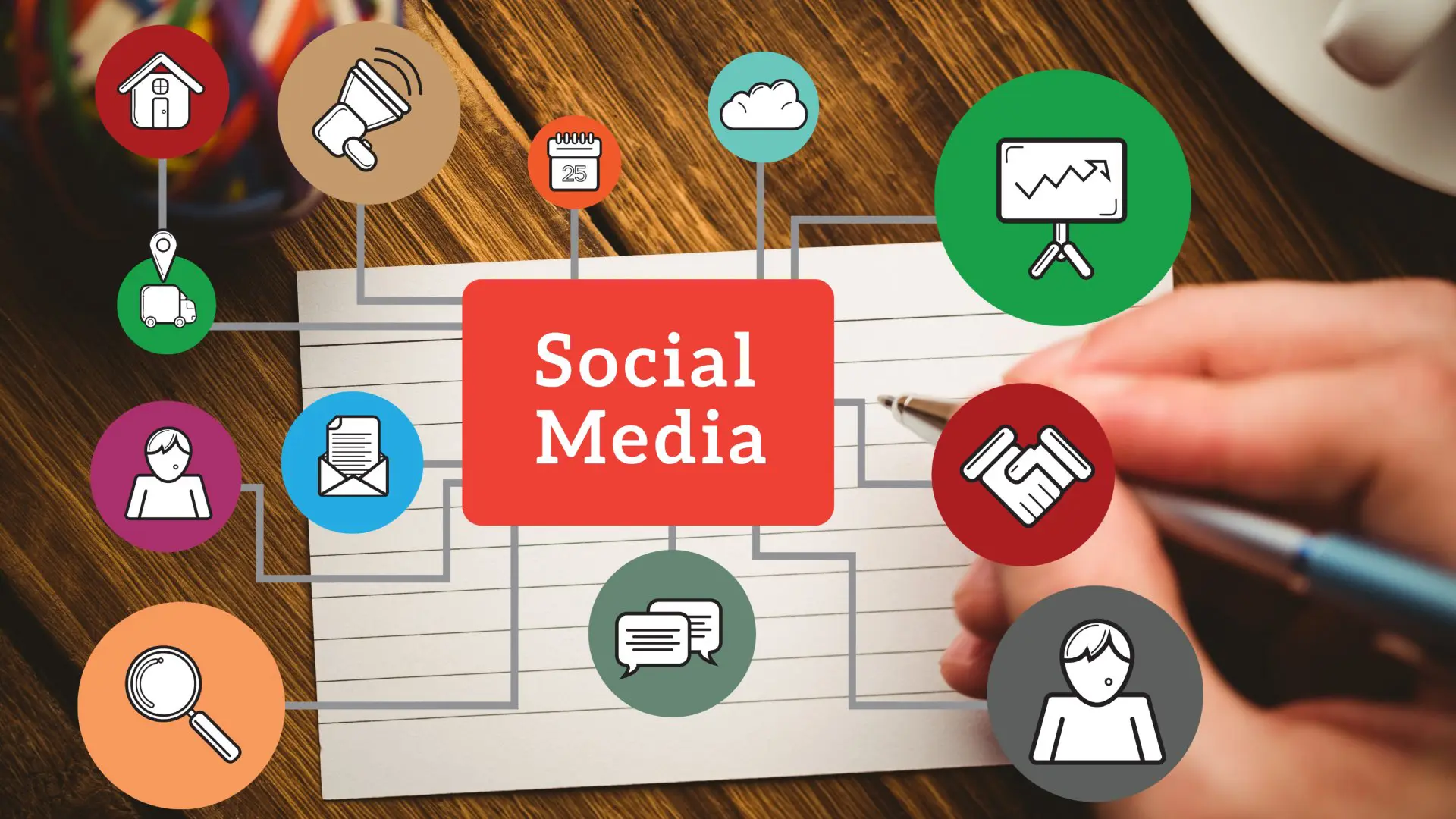
Social Media Branding Consistency
Social media should extend the brand story, not contradict it. Content style, captions, and interactions should reflect the same personality seen on-property.
Consistency across platforms builds recognition and trust.
Branding on OTAs and Review Platforms
OTA listings should reflect your brand accurately. Descriptions, photos, and responses to reviews must align with your brand voice.
Guests compare OTA listings quickly. Clear branding improves conversion.
Hotel Branding Tips for Staff and Culture
Internal Branding Matters
Staff must understand the brand to deliver it. Internal branding involves communicating values, service philosophy, and behavioral expectations clearly.
When staff believe in the brand, service becomes authentic rather than scripted.
Train Staff as Brand Ambassadors
Every staff member represents the brand. Training should focus not just on tasks, but on how actions reflect brand values.
Empowered staff deliver brand experiences naturally.
Leadership’s Role in Brand Consistency
Leadership behavior sets the brand tone internally. When leaders model brand values, teams follow.
Brand inconsistency often starts at the top.
Branding Tips for Different Hotel Types
Boutique Hotels
Boutique hotels should focus on storytelling, uniqueness, and personal connection. Over-standardization can dilute charm.
Budget Hotels
Budget branding should emphasize clarity, reliability, and value. Guests value predictability and honesty over luxury claims.
Luxury Hotels
Luxury branding relies on emotional detail, discretion, and personalization. Consistency and refinement matter more than excess.
Independent Hotels
Independent hotels can compete with chains through authenticity, flexibility, and local character. Branding should highlight individuality.
Hotel Branding and Storytelling
Stories create emotional connection. Guests remember stories more than features.
Your hotel’s story may involve location, history, people, or philosophy. Storytelling should feel authentic, not forced.
Local culture, community ties, and real experiences enrich brand narratives.
Common Hotel Branding Mistakes to Avoid
Copying competitors leads to bland branding. Inconsistent branding confuses guests. Promising more than you deliver damages trust.
Another common mistake is changing branding frequently without operational alignment. Brands need time to settle and grow.
Measuring the Success of Hotel Branding
Branding success is measured through guest recall, repeat bookings, review sentiment, direct booking growth, and willingness to pay premium rates.
Strong branding reflects in both numbers and emotions.
Future Trends in Hotel Branding
Experience-driven branding, sustainability, personalization, and purpose-led positioning are shaping modern hospitality brands.
Guests increasingly choose hotels that align with their values, not just their budgets.
Frequently Asked Questions About Hotel Branding
What is hotel branding?
It is the perception guests form based on experience, communication, and consistency.
Why is branding important for hotels?
Because it builds trust, loyalty, and pricing power.
How can small hotels build strong brands?
By focusing on clarity, consistency, and authentic guest experiences.
What makes a hotel brand successful?
Clear positioning, consistent delivery, and emotional connection.
Conclusion
Hotel branding is not a design project. It is a long-term commitment to clarity, consistency, and guest-centered thinking. In an industry where choices are endless, branding helps guests remember you, trust you, and return to you.
Hotels that invest in branding move from chasing bookings to building relationships. And in hospitality, relationships are the most valuable currency of all.