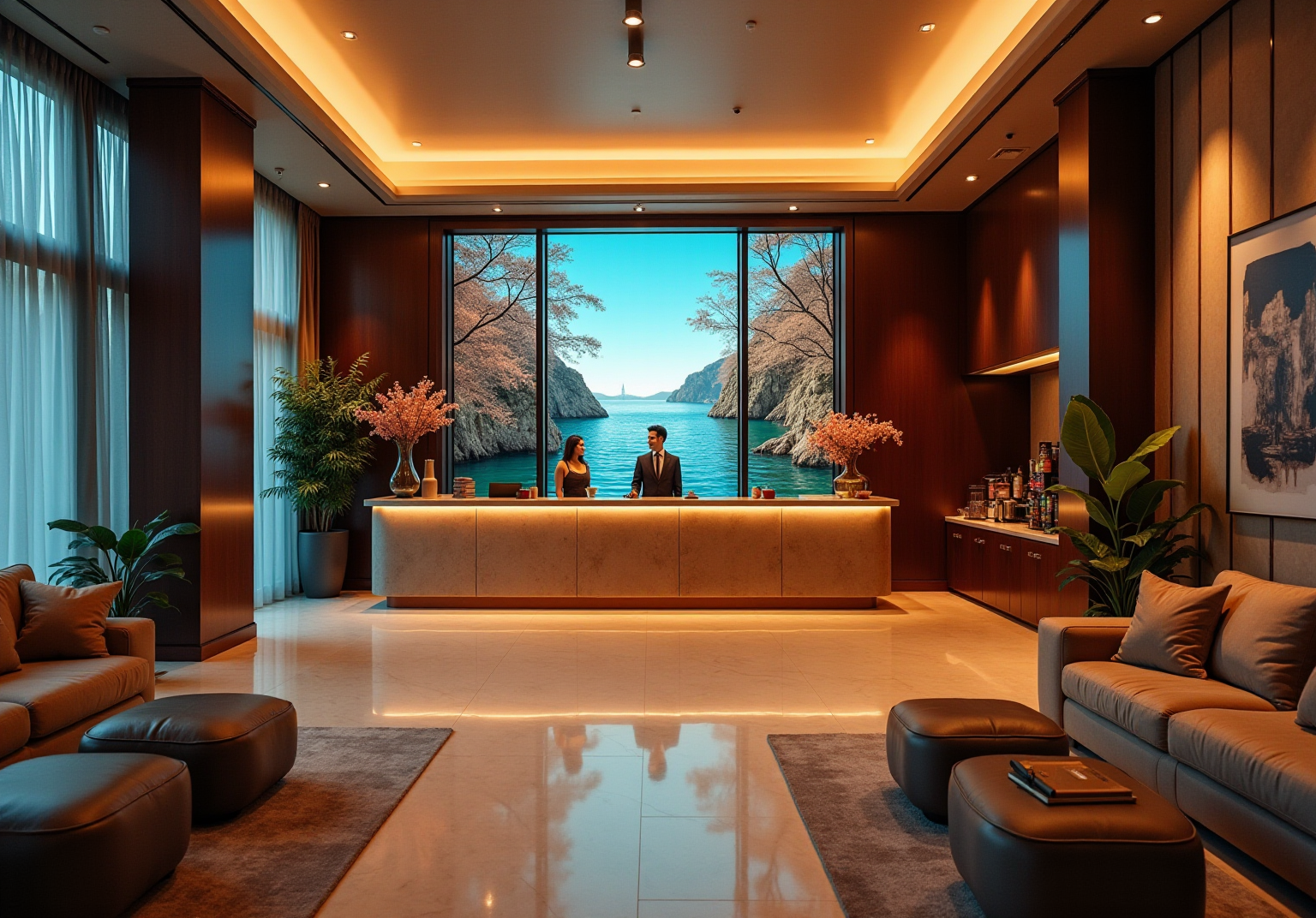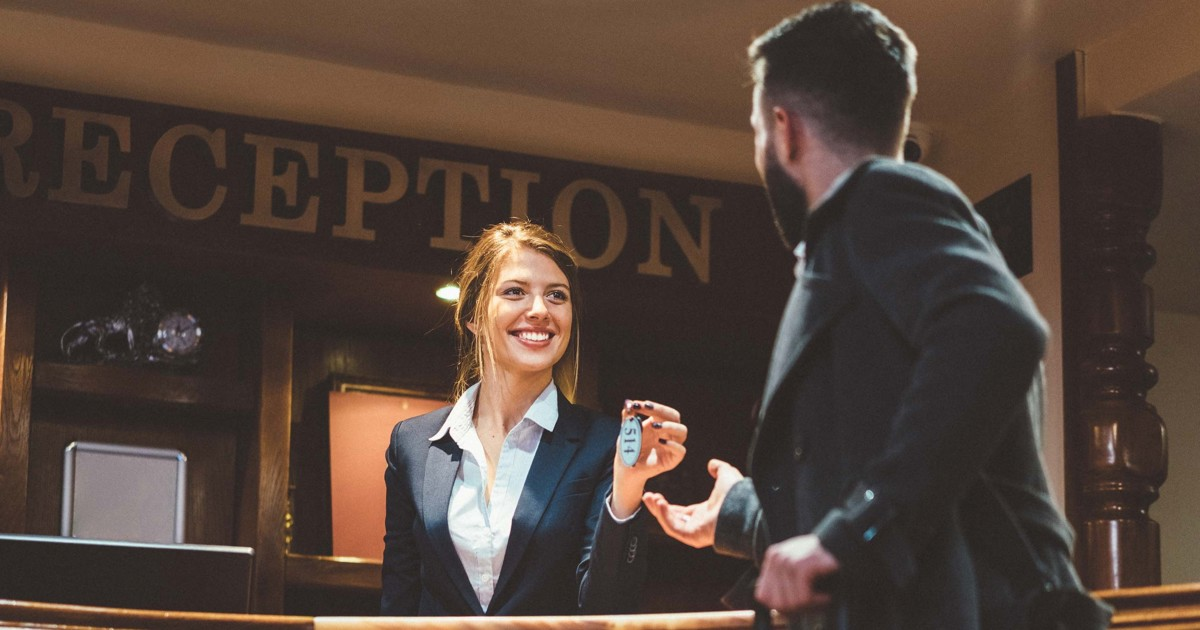
In today’s hospitality landscape, hotel guest acquisition is no longer about filling rooms at any cost. It is about attracting the right guests, through the right channels, at the right cost. With rising OTA commissions, increasing competition, and guests who research more than ever before booking, hotels must approach guest acquisition as a system rather than a series of disconnected campaigns.
- What Is Hotel Guest Acquisition?
- Guest Acquisition vs Guest Retention
- Why Hotel Guest Acquisition Strategy Matters
- Understanding the Modern Hotel Guest Journey
- Core Hotel Guest Acquisition Channels
- Hotel Guest Acquisition Through OTAs
- Direct Booking as a Guest Acquisition Channel
- Content and SEO for Hotel Guest Acquisition
- Paid Media Strategies for Hotel Guest Acquisition
- Social Media as a Guest Acquisition Engine
- Guest Acquisition Through Branding and Trust
- Offline Guest Acquisition Strategies
- Guest Acquisition for Different Hotel Types
- Measuring Hotel Guest Acquisition Performance
- Common Hotel Guest Acquisition Mistakes
- Building a Sustainable Hotel Guest Acquisition System
- Frequently Asked Questions About Hotel Guest Acquisition
Many hotels focus heavily on short-term bookings but ignore long-term guest value. They rely on discounts when demand slows and panic when occupancy dips. Sustainable hotels, however, design guest acquisition strategies that balance visibility, trust, conversion, and retention. They understand that every booking is not equal, and every channel comes with a cost.
This guide explains hotel guest acquisition in depth. It shows how guests discover hotels today, which channels truly work, how to reduce acquisition costs over time, and how to turn one-time guests into repeat customers who book again without being chased.
What Is Hotel Guest Acquisition?
Hotel guest acquisition refers to the complete process of attracting potential guests, converting them into confirmed bookings, and introducing them to your brand in a way that encourages future stays. It includes every touchpoint before a guest arrives, from first discovery to final booking decision.
Unlike simple booking generation, guest acquisition focuses on who you attract and how you acquire them. A booking that costs 25% commission and never repeats is very different from a guest who books directly and returns multiple times.
Effective guest acquisition strategies consider both cost and lifetime value. Hotels that understand this distinction build stronger margins and more predictable demand.
Guest Acquisition vs Guest Retention
Guest acquisition brings new guests. Guest retention keeps them coming back.
Acquisition is always more expensive than retention. Yet many hotels invest heavily in acquiring guests while neglecting post-stay engagement. This creates a cycle of constant dependency on OTAs, paid ads, and discounts.
The smartest hotels treat acquisition as the first step in a longer relationship. Every new guest is an opportunity to reduce future acquisition costs by converting them into a repeat, direct-booking customer.
Why Hotel Guest Acquisition Strategy Matters
A clear guest acquisition strategy provides stability. Without it, hotels react instead of plan.
Hotels that rely on a single channel, usually OTAs, face high costs and unpredictable demand. Hotels with diversified acquisition channels enjoy more control, better margins, and stronger brand equity.
Guest acquisition strategy also influences operational quality. When hotels chase volume instead of fit, they often attract guests whose expectations do not align with the property, leading to poor reviews and staff burnout.
The goal is not maximum bookings. The goal is sustainable, profitable bookings.
Understanding the Modern Hotel Guest Journey
Guest acquisition follows a journey, not a moment.
Awareness Stage
At this stage, potential guests discover hotels through:
- Search engines
- OTAs
- Social media
- Travel content and influencers
- Recommendations and reviews
Hotels that invest only in booking-stage tactics miss opportunities to shape perception early.
Consideration Stage
Guests compare:
- Prices
- Reviews
- Photos
- Location
- Brand feel
This is where trust, reputation, and clarity matter most. Confusing messaging or weak reviews can eliminate a hotel instantly.
Decision Stage
Guests book when:
- Value feels clear
- Risk feels low
- Booking feels easy
Website experience, payment options, cancellation policies, and urgency cues influence this stage.
Post-Stay Stage
This is where many hotels stop marketing, but it is where acquisition costs are recovered. Follow-ups, review requests, and loyalty messaging turn first-time guests into repeat guests.
Core Hotel Guest Acquisition Channels
Online Travel Agencies (OTAs)
OTAs are powerful discovery engines. They introduce hotels to travelers who may not know the brand yet. However, OTA acquisition comes at a high cost.
Smart hotels use OTAs strategically for visibility while working actively to convert OTA guests into direct repeat customers.
Direct Website Bookings
Direct bookings offer the highest margins and strongest guest relationships. A well-optimized website with clear branding, trust signals, and a smooth booking engine is a powerful acquisition asset.
Direct booking acquisition improves over time, unlike paid channels that stop working when budgets stop.
Search Engines and SEO
SEO captures high-intent guests actively searching for accommodation. Content such as local guides, hotel blogs, and FAQs supports long-term acquisition at low marginal cost.
Local SEO and Google Business Profile visibility are especially critical for destination-based searches.
Paid Advertising
Paid ads deliver fast results when done strategically. Search ads capture ready-to-book guests, while social ads influence inspiration and retarget interested users.
Paid acquisition must be tracked carefully to avoid overspending on low-quality traffic.
Social Media and Content Marketing
Social media introduces hotels to guests emotionally. It builds familiarity before guests even start searching.
While social media may not always convert immediately, it reduces friction later in the booking journey.
Offline and Local Partnerships
Corporate tie-ups, travel agents, event planners, and local businesses remain valuable acquisition channels, especially for business hotels and long-stay properties.
Hotel Guest Acquisition Through OTAs
OTAs should be treated as acquisition channels, not permanent crutches.
Optimized listings, strong photos, accurate descriptions, and competitive pricing improve OTA conversion. However, the real strategy lies in what happens after the booking.
Hotels should:
- Capture guest emails ethically
- Deliver exceptional service
- Offer direct-booking incentives for future stays
This shifts OTA-acquired guests into lower-cost future channels.
Direct Booking as a Guest Acquisition Channel
Direct booking success depends on experience, not just price.
A hotel website must:
- Load fast on mobile
- Communicate value clearly
- Display reviews and trust badges
- Make booking frictionless
Direct booking incentives should add value rather than undercut OTAs aggressively. Guests respond better to flexibility and perks than small price differences.
Content and SEO for Hotel Guest Acquisition
Content is a long-term acquisition asset.
Blogs about local attractions, travel tips, seasonal guides, and hotel insights attract organic traffic. Over time, this content builds authority and trust.
Local SEO ensures visibility when guests search with location intent. Accurate listings, consistent NAP details, and active profiles improve discoverability.
SEO acquisition costs decrease over time, making it one of the most profitable channels long term.
Paid Media Strategies for Hotel Guest Acquisition
Paid acquisition works best when aligned with the guest journey.
Search ads capture ready demand. Social ads create interest and retarget visitors who did not book immediately.
Retargeting is especially effective because it focuses on users already familiar with the hotel. This reduces cost per acquisition significantly.
Social Media as a Guest Acquisition Engine
Social media builds familiarity before booking intent exists.
Hotels that consistently show:
- Real guest experiences
- Staff warmth
- Property atmosphere
- Local culture
Reduce booking hesitation later.
Influencer and user-generated content act as social proof, accelerating trust-building.
Guest Acquisition Through Branding and Trust
Branding reduces acquisition friction.
Guests book brands they recognize and trust. Strong branding improves conversion across all channels, including OTAs and paid ads.
Online reputation plays a major role here. Consistent reviews, professional responses, and visible guest satisfaction lower perceived risk.
Trust shortens the decision cycle.
Offline Guest Acquisition Strategies
Corporate contracts provide predictable occupancy. Partnerships with tour operators and local experiences add steady inflow.
Hotels that integrate local community and experiences often acquire guests who stay longer and spend more.
Offline channels also strengthen brand presence beyond digital noise.
Guest Acquisition for Different Hotel Types
Boutique Hotels
Storytelling, uniqueness, and social media perform well. Guests seek experiences, not standardization.
Budget Hotels
Clarity, reliability, and convenience matter most. Acquisition focuses on location, value, and efficiency.
Luxury Hotels
Emotion, personalization, and exclusivity drive acquisition. Branding and reputation are critical.
Independent Hotels
Flexibility and authenticity are advantages. Acquisition strategies should highlight individuality.
Measuring Hotel Guest Acquisition Performance
Key metrics include:
- Cost per acquisition (CPA)
- Channel-wise booking contribution
- Conversion rates
- Guest lifetime value
Tracking these helps hotels invest in channels that deliver long-term value, not just short-term volume.
Common Hotel Guest Acquisition Mistakes
Relying on one channel, ignoring post-stay engagement, chasing volume over fit, and failing to measure costs are common errors.
Another major mistake is disconnect between marketing and operations. Poor service destroys even the best acquisition strategy.
Building a Sustainable Hotel Guest Acquisition System
Sustainable acquisition comes from balance.
Hotels must:
- Diversify channels
- Invest in brand and trust
- Align marketing with operations
- Convert first-time guests into loyal guests
Guest acquisition should feel controlled, not chaotic.
Frequently Asked Questions About Hotel Guest Acquisition
What is hotel guest acquisition?
It is the process of attracting, converting, and retaining hotel guests profitably.
What are the best guest acquisition channels for hotels?
OTAs, direct website bookings, SEO, paid ads, social media, and partnerships.
How can hotels reduce guest acquisition costs?
By improving direct bookings, SEO, retention, and brand trust.
How do hotels attract repeat guests?
Through consistent service, post-stay engagement, and loyalty incentives.
Hotel guest acquisition is no longer about chasing bookings wherever they appear. It is about designing a system that attracts the right guests, at the right cost, through the right channels.
Hotels that treat guest acquisition as a long-term strategy, rather than a short-term fix, gain stability, profitability, and brand control. In a market where competition keeps growing, sustainable acquisition is the real competitive advantage.