In the hospitality industry, rooms can be copied, amenities can be matched, and prices can be undercut. Customer service cannot be duplicated so easily. It is shaped by people, culture, training, and daily decisions. This is why hotel customer service remains one of the strongest competitive advantages a hotel can build.
- What Is Hotel Customer Service?
- Why Hotel Customer Service Is Critical for Business Success
- Understanding Guest Expectations in Hotel Customer Service
- Core Principles of Excellent Hotel Customer Service
- Hotel Customer Service Across the Guest Journey
- Hotel Customer Service by Department
- Handling Complaints in Hotel Customer Service
- Training Staff for Excellent Hotel Customer Service
- Technology and Hotel Customer Service
- Hotel Customer Service by Hotel Type
- Common Hotel Customer Service Mistakes
- Measuring Hotel Customer Service Performance
- Building a Service-Driven Hotel Culture
- Frequently Asked Questions About Hotel Customer Service
Guests may forget the exact size of a room or the brand of toiletries, but they remember how they were treated. They remember whether staff listened, whether issues were handled calmly, and whether the hotel cared once the booking was confirmed. In an era where reviews influence bookings instantly, customer service is no longer just a soft skill. It is a revenue and reputation driver.
This guide explains hotel customer service in a practical, operations-focused way. It breaks down what customer service really means in hotels, how it shows up across the guest journey, and what hotels can do daily to deliver consistent, high-quality service without burning out teams or overcomplicating systems.
What Is Hotel Customer Service?
Hotel customer service refers to how a hotel interacts with guests before, during, and after their stay. It includes communication, responsiveness, problem solving, attitude, and follow-through across all departments.
Customer service is often confused with guest experience. Guest experience is the sum of all touchpoints. Customer service is how people manage those touchpoints. A hotel may have a beautiful experience design, but poor customer service can ruin it within minutes.
In simple terms, customer service is how the hotel behaves when a guest needs something.
Why Hotel Customer Service Is Critical for Business Success
Customer service influences almost every performance metric in a hotel.
Impact on Guest Satisfaction and Reviews
Service quality is the most common theme in both positive and negative reviews. Even when facilities are average, strong service often leads to high ratings. When service is poor, luxury does not save the review.
Role in Repeat Bookings and Loyalty
Guests return to places where they feel respected and understood. Repeat bookings are rarely driven by price alone. They are driven by comfort and trust built through service.
Effect on OTA Rankings and Brand Trust
OTAs track guest satisfaction closely. Hotels with strong service performance benefit from better visibility, higher conversion, and fewer disputes.
Customer Service as Revenue Protection
Good service prevents refunds, chargebacks, and compensation payouts. It also reduces staff stress and operational chaos caused by unhappy guests.
Understanding Guest Expectations in Hotel Customer Service
Modern guests are informed and vocal. They arrive with expectations shaped by:
- Online reviews
- Website messaging
- OTA descriptions
- Past hotel experiences
Guest expectations vary by hotel type, but one expectation is universal: respect.
Managing expectations is as important as delivering service. Overpromising in marketing creates service pressure that operations cannot sustain.
Hotels that communicate clearly and honestly often outperform those that promise perfection.
Core Principles of Excellent Hotel Customer Service
Strong hotel customer service consistently reflects four principles.
Courtesy and Professionalism
Politeness, tone, and body language matter. Guests should never feel like an inconvenience.
Speed and Responsiveness
Slow responses signal lack of care. Even when a solution takes time, acknowledgment must be immediate.
Empathy and Ownership
Guests want to be heard, not passed around. Ownership builds trust faster than explanations.
Consistency Across Departments
A polite front desk cannot compensate for dismissive housekeeping or delayed maintenance. Service must feel unified.
Hotel Customer Service Across the Guest Journey
Customer service should feel continuous, not fragmented.
Pre-Arrival Customer Service
This stage shapes first impressions before the guest arrives.
Handling inquiries quickly, responding clearly to emails or messages, and confirming bookings professionally reduces anxiety. Guests feel reassured when hotels are reachable and responsive.
Unanswered messages before arrival often lead guests to arrive already dissatisfied.
Customer Service at Check-In
Check-in is an emotional moment. Guests transition from travel mode to stay mode.
A warm greeting, efficient process, and calm explanation of details set the tone. Long waits, rushed interactions, or cold communication create tension that carries into the stay.
When delays are unavoidable, acknowledgment matters more than speed.
Customer Service During the Stay
This is where service quality is tested repeatedly.
Guests judge how quickly requests are handled, how staff communicate issues, and how departments coordinate. Small lapses, when handled well, are forgiven. Small lapses ignored often escalate into complaints.
Proactive check-ins, respectful housekeeping interactions, and fast maintenance responses build confidence.
Customer Service at Check-Out
The final interaction shapes memory.
Billing accuracy, clarity, and a genuine farewell influence whether the guest leaves satisfied or frustrated. Guests are most sensitive to errors at check-out because they are already transitioning away.
A smooth exit leaves a strong final impression.
Hotel Customer Service by Department
Customer service is not limited to the front desk.
Front Office Customer Service
The front office sets expectations and manages emotions. Calm communication, patience, and clear explanations are critical here.
Housekeeping Customer Service
Housekeeping staff interact with guests more than most teams. Courtesy, respect for privacy, and responsiveness shape comfort.
Food and Beverage Service Quality
Speed, accuracy, and attitude matter more than presentation alone. Handling special requests gracefully improves satisfaction significantly.
Maintenance and Support Teams
Maintenance teams often meet guests during moments of inconvenience. Their behavior can either resolve frustration or amplify it.
Management’s Role
Management sets service tone through decisions and behavior. Staff mirror leadership priorities quickly.
Handling Complaints in Hotel Customer Service
Complaints are inevitable. Poor handling is optional.
Why Complaints Are Part of Good Service
Guests who complain still want resolution. Guests who leave silently often never return.
A Simple Complaint Handling Framework
- Listen without interruption
- Acknowledge the issue
- Apologize sincerely
- Offer a clear solution
- Follow up
Service Recovery Best Practices
Quick recovery builds more loyalty than problem-free stays. Guests remember how problems were handled, not that they occurred.
Common Complaint Handling Mistakes
Defensiveness, delays, blaming policies, or minimizing guest feelings are the fastest ways to lose trust.
Training Staff for Excellent Hotel Customer Service
Customer service quality depends on training, not personality alone.
Skills Hotels Must Train
- Communication and tone
- Empathy and listening
- Conflict handling
- Decision-making under pressure
Role-Playing Real Scenarios
Practice builds confidence. Staff should rehearse common service situations, not just SOP steps.
Empowering Staff
Staff should be trusted to solve small problems without escalation. Empowerment reduces delays and guest frustration.
Consistency Through Standards
Clear service standards ensure consistency across shifts and departments.
Technology and Hotel Customer Service
Technology should support responsiveness, not replace human connection.
Improving Responsiveness
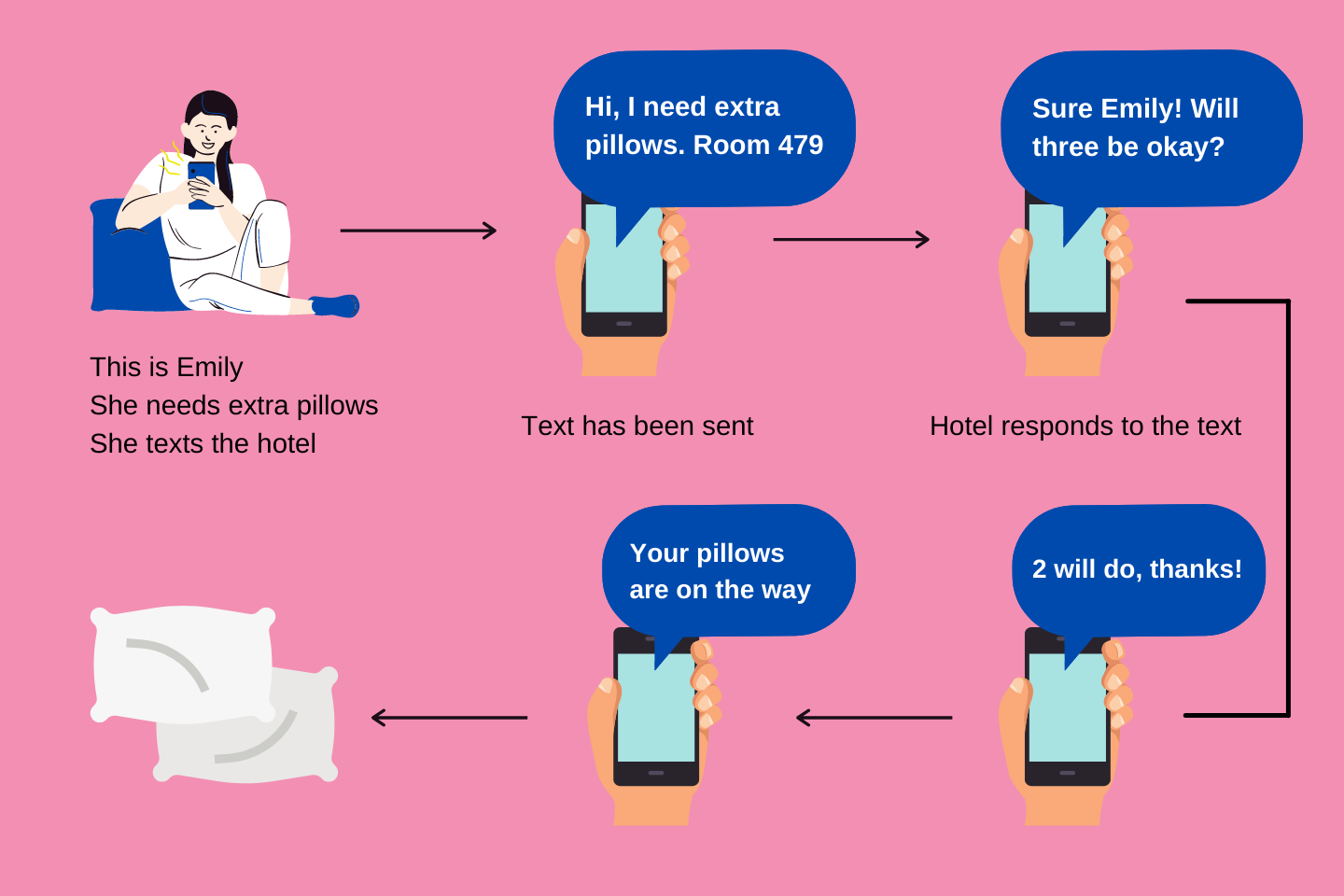
Messaging tools, task systems, and alerts help teams respond faster.
Digital Communication
Guests appreciate convenient communication channels when responses are timely and respectful.
Avoiding Over-Automation
Automated messages without context feel impersonal. Technology should enhance service, not dilute it.
Human Touch Remains Essential
No system replaces empathy, judgment, and warmth.
Hotel Customer Service by Hotel Type
Budget Hotels
Efficiency, clarity, and cleanliness matter most. Simple service done well builds trust.
Boutique Hotels
Personal connection and attention create differentiation. Guests expect warmth and individuality.
Luxury Hotels
Discretion, anticipation, and refinement define service quality. Mistakes are less tolerated.
Independent Hotels
Flexibility and authenticity are strengths. Service can feel more personal than chains.
Common Hotel Customer Service Mistakes
- Inconsistent service standards
- Poor internal communication
- Defensive complaint handling
- Ignoring recurring feedback
- Treating service as a front-desk responsibility only
These mistakes often stem from lack of alignment, not lack of effort.
Measuring Hotel Customer Service Performance
Service must be tracked to improve.
Guest Feedback and Surveys
Short, targeted surveys reveal actionable insights.
Online Reviews
Reviews show patterns. One complaint is an incident. Repeated complaints are system failures.
Service Quality Indicators
Response time, complaint resolution speed, and repeat guest behavior matter.
Turning Data Into Action
Feedback without change erodes credibility internally and externally.
Building a Service-Driven Hotel Culture
Customer service must be embedded, not enforced.
Leadership Responsibility
Leaders demonstrate service values through actions, not posters.
Aligning SOPs With Service
Operational procedures should support guest comfort, not obstruct it.
Making Customer Service Everyone’s Job
From housekeeping to accounts, every role influences guest perception.
Frequently Asked Questions About Hotel Customer Service
What is hotel customer service?
It is how hotels communicate, respond, and care for guests across the entire stay.
Why is customer service important in hotels?
It drives reviews, repeat bookings, and reputation.
How can hotels improve customer service?
Through training, empowerment, clear standards, and strong leadership.
How do hotels train staff for customer service?
With practical training, role-playing, and consistent reinforcement.
Hotel customer service is not about perfection. It is about reliability, empathy, and accountability. Hotels that consistently show care earn trust that no discount or marketing campaign can replace.
In a competitive hospitality market, customer service is what transforms rooms into relationships and stays into loyalty. Hotels that invest in service do not just satisfy guests. They build resilience, reputation, and long-term success.