Most hotels spend the majority of their time and budget trying to acquire new guests. Ads, OTAs, discounts, promotions. Yet the most profitable guests are often the ones who have already stayed, enjoyed the experience, and are willing to return. Hotel loyalty programs exist to turn one-time stays into long-term relationships.
- What Are Hotel Loyalty Programs?
- Why Hotel Loyalty Programs Are Important for Hotels
- Understanding Guest Loyalty in Hotels
- Types of Hotel Loyalty Programs
- Core Elements of a Successful Hotel Loyalty Program
- Loyalty Program Benefits for Guests
- Loyalty Program Benefits for Hotels
- Designing a Hotel Loyalty Program Step by Step
- Hotel Loyalty Programs and Direct Bookings
- Technology Needed for Hotel Loyalty Programs
- Loyalty Programs for Different Hotel Types
- Common Mistakes Hotels Make With Loyalty Programs
- Measuring the Success of Hotel Loyalty Programs
- Future Trends in Hotel Loyalty Programs
- Frequently Asked Questions – Hotel Loyalty Programs
A hotel loyalty program is not just a marketing tactic. It is a business strategy. When designed well, it reduces dependence on OTAs, lowers acquisition costs, stabilizes revenue, and builds a guest base that chooses the hotel deliberately, not accidentally. When designed poorly, it becomes nothing more than a discount scheme that erodes margins and confuses guests.
This guide explains hotel loyalty programs in a practical, hotel-first way. It goes beyond points and discounts to focus on what actually creates loyalty, how different hotels should approach loyalty, and how to build programs that guests value and hotels can sustain.
What Are Hotel Loyalty Programs?
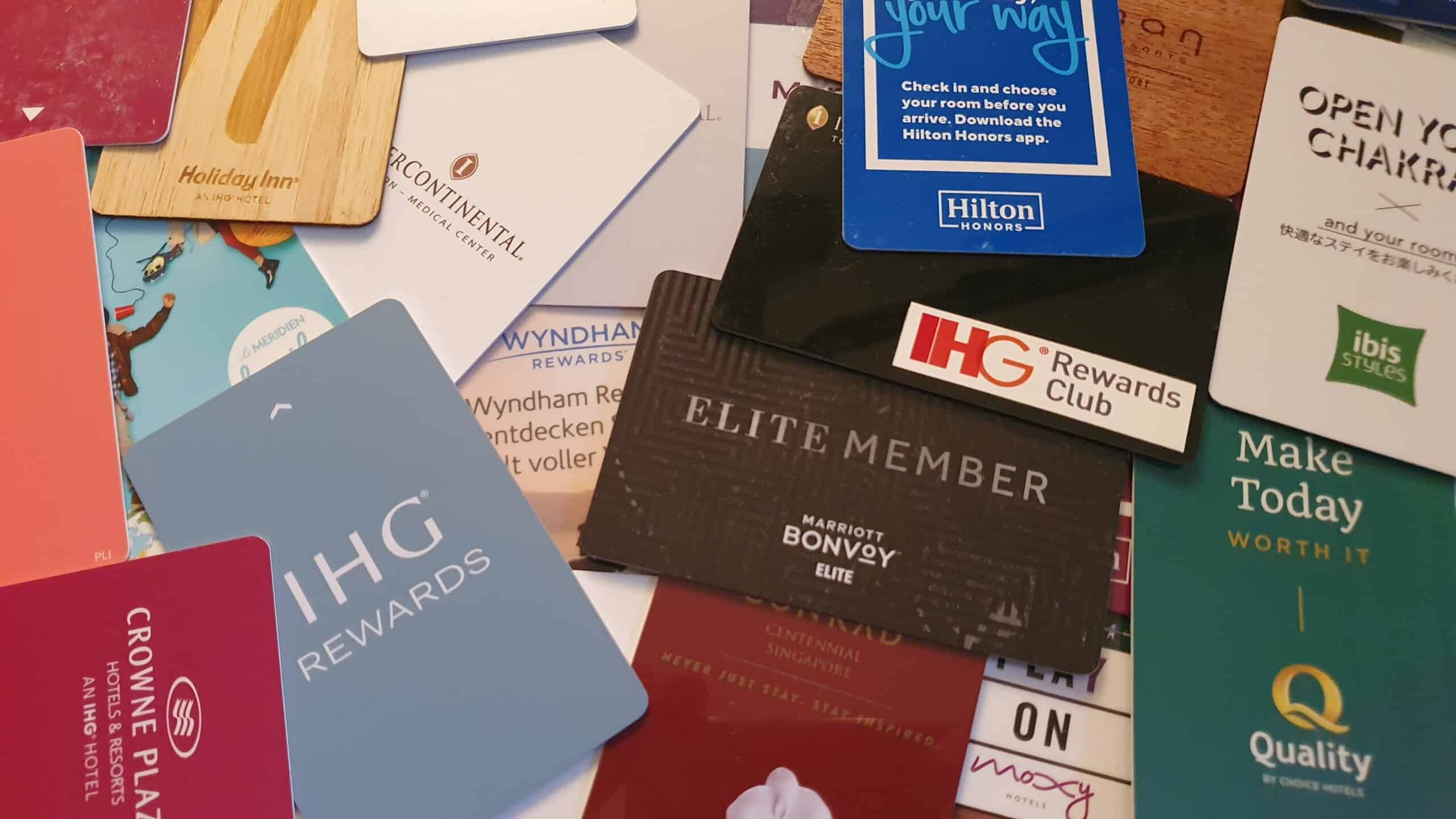
Hotel loyalty programs are structured systems that reward guests for repeat stays or engagement with a hotel or hotel brand. These rewards may come in the form of points, perks, exclusive benefits, recognition, or personalized experiences.
At their core, loyalty programs answer a simple question for guests:
Why should I come back to this hotel instead of trying another one?
Unlike discounts, which reward price sensitivity, loyalty programs reward relationship. They recognize familiarity, preference, and trust.
Why Hotel Loyalty Programs Are Important for Hotels
Increasing Repeat Bookings
Repeat guests are easier to convert and more likely to book directly. Even a small increase in repeat bookings can significantly improve profitability.
Reducing Dependency on OTAs
Loyal guests are less price-sensitive and more likely to book through hotel-owned channels. This reduces commission leakage over time.
Lower Cost of Acquisition
Marketing to existing guests costs far less than acquiring new ones. Loyalty programs provide a structured reason to stay in touch.
Stronger Guest Relationships and Data Ownership
Loyalty programs allow hotels to ethically collect guest data, understand preferences, and personalize future stays.
Understanding Guest Loyalty in Hotels
Not all loyalty is the same.
Transactional Loyalty
This type of loyalty is driven by points, discounts, or free nights. Guests return because it makes financial sense, not because they feel connected.
Emotional Loyalty
Emotional loyalty is driven by comfort, familiarity, trust, and recognition. Guests return because they feel understood and valued.
Points can attract guests, but emotions keep them.
Hotels that focus only on transactional loyalty often lose guests the moment a better deal appears elsewhere.
Types of Hotel Loyalty Programs
Points-Based Loyalty Programs
Guests earn points for each stay or spend and redeem them for free nights or discounts. This model is common in large hotel chains.
Pros: Easy to understand, scalable
Cons: Can feel generic, encourages price comparison
Tier-Based Loyalty Programs
Guests move through tiers such as Silver, Gold, or Platinum, unlocking better benefits as they stay more.
Pros: Encourages progression and status
Cons: Requires clear communication and consistent delivery
Membership-Based Loyalty Programs
Guests join a membership program, often for free, and receive exclusive benefits when booking direct.
Pros: Simple, effective for independent hotels
Cons: Needs strong value proposition
Experience-Based Loyalty Programs
Rewards focus on experiences rather than discounts, such as upgrades, special amenities, or personalized services.
Pros: Builds emotional loyalty
Cons: Requires operational alignment
Corporate and Long-Stay Loyalty Programs
Designed for business travelers or extended stays, offering benefits tied to frequency or length of stay.
Pros: High lifetime value
Cons: Needs clear eligibility rules
Core Elements of a Successful Hotel Loyalty Program
Every effective loyalty program shares common elements.
Clear Value Proposition
Guests must immediately understand what they gain by joining. If it takes explanation, it will not convert.
Easy Enrollment
Complicated sign-ups kill interest. Enrollment should take seconds, not minutes.
Simple Earning and Redemption
Guests should never feel confused about how rewards work.
Relevant Rewards
Rewards must match guest preferences. A free drink may matter more than points for many guests.
Consistent Communication
Guests should be reminded of benefits without being overwhelmed.
Loyalty Program Benefits for Guests
Guests join loyalty programs when benefits feel meaningful.
- Exclusive member rates or value-added perks
- Priority room allocation or upgrades
- Flexible cancellation
- Late check-out (subject to availability)
- Personalized welcome amenities
- Recognition across visits
The key is relevance. Not every guest values the same rewards.
Loyalty Program Benefits for Hotels
For hotels, loyalty programs deliver strategic advantages.
Higher Repeat Booking Rates
Loyalty programs give guests a reason to return deliberately.
Increased Direct Bookings
Member-only benefits encourage guests to book direct.
Better Guest Data
Hotels learn preferences, stay patterns, and spending behavior.
Higher Guest Lifetime Value
Repeat guests tend to spend more over time and require less marketing investment.
More Predictable Revenue
A base of loyal guests stabilizes demand during slower periods.
Designing a Hotel Loyalty Program Step by Step
Define Clear Goals
Decide whether the program aims to:
- Increase repeat bookings
- Shift OTA guests to direct
- Increase spend per stay
- Build long-term relationships
Clarity prevents overcomplication.
Choose the Right Reward Structure
Independent hotels often benefit more from simple perks than complex points systems.
Chains may leverage points and tiers due to scale.
Set Fair Earning Rules
Rewards should feel achievable. Programs that take years to show value lose engagement.
Create Meaningful Redemption Options
Redemption should be easy and emotionally satisfying. Guests should feel rewarded, not restricted.
Avoid Over-Discounting
Loyalty rewards should enhance value, not train guests to expect lower prices.
Hotel Loyalty Programs and Direct Bookings
Loyalty programs are powerful direct booking tools.
Direct-Only Member Benefits
Offer benefits that are only available when booking through the hotel website or direct channels.
Converting OTA Guests Into Loyal Members
Encourage OTA guests to join the loyalty program during the stay or at check-out, without pressure.
Building Booking Habits
The goal is to make direct booking feel natural for returning guests.
Technology Needed for Hotel Loyalty Programs
PMS and CRM Integration
Guest data must be accurate and accessible across stays.
Booking Engine Support
The booking engine should recognize members and apply benefits automatically.
Guest Database Management
A centralized guest database enables personalization and targeted communication.
Automation and Personalization
Automated emails, birthday offers, or pre-arrival preferences improve engagement when used thoughtfully.
Loyalty Programs for Different Hotel Types
Budget Hotels
Focus on simplicity and practicality. Small perks like priority rooms or flexible check-out work well.
Boutique Hotels
Personal recognition, storytelling, and curated experiences build emotional loyalty.
Luxury Hotels
Discretion, anticipation, and personalization matter more than points.
Independent Hotels
Flexibility is a strength. Simple membership programs often outperform complex systems.
Hotel Chains
Scale allows for points, tiers, and partnerships, but consistency across properties is critical.
Common Mistakes Hotels Make With Loyalty Programs
- Overcomplicating the program
- Offering rewards guests don’t value
- Poor communication
- Inconsistent benefit delivery
- Treating loyalty as discounting
Loyalty fails when promises are unclear or inconsistently fulfilled.
Measuring the Success of Hotel Loyalty Programs
Hotels should track:
- Repeat booking rate
- Member vs non-member performance
- Direct booking growth
- Guest lifetime value
- Redemption rate
Trends matter more than absolute numbers.
Future Trends in Hotel Loyalty Programs
Personalization Over Points
Guests increasingly value recognition and relevance over generic rewards.
Experience-Driven Loyalty
Unique experiences build stronger emotional bonds than discounts.
AI-Driven Offers
Predictive personalization will shape future loyalty strategies.
Invisible Loyalty
Programs without cards or apps, where recognition feels natural, will become more common.
Frequently Asked Questions – Hotel Loyalty Programs
What is a hotel loyalty program?
A system that rewards guests for repeat stays and engagement.
Do loyalty programs really work for hotels?
Yes, when designed around guest value, not discounts.
Are loyalty programs useful for small hotels?
Absolutely. Simple programs often work best for independents.
What rewards do guests value most?
Recognition, comfort, flexibility, and personalized experiences.
Hotel loyalty programs are not about chasing points or copying big brands. They are about building relationships that last beyond a single stay. Guests return to hotels where they feel known, appreciated, and comfortable.
A well-designed loyalty program turns guests into regulars, regulars into advocates, and advocates into long-term revenue stability. In an industry where competition is intense and acquisition costs keep rising, loyalty is not optional. It is one of the smartest investments a hotel can make.