Behind every smooth hotel operation sits a system quietly coordinating rooms, guests, staff, payments, and data. Guests may never see it, but hotel teams live inside it every day. That system is the Property Management System, commonly known as a hotel PMS.
- What Is a Hotel PMS System?
- How a PMS Fits Into the Hotel Technology Ecosystem
- Why Hotel PMS Systems Are Critical Today
- Core Functions of Hotel PMS Systems
- Traditional vs Cloud-Based Hotel PMS Systems
- Key Features to Look for in a Hotel PMS System
- PMS Integration: The Heart of a Connected Hotel Tech Stack
- How Hotel PMS Systems Improve Operations
- Hotel PMS Systems and Revenue Performance
- Technology Adoption Challenges and Best Practices
- Choosing the Right Hotel PMS System
- PMS Systems for Different Hotel Types
- Common Hotel PMS Mistakes to Avoid
- Future Trends in Hotel PMS Systems
- Frequently Asked Questions – Hotel PMS Systems
In modern hospitality, a PMS is not optional software. It is the operational backbone of the hotel. From reservations and front desk operations to housekeeping coordination, billing, reporting, and integrations with other tools, the PMS determines how efficiently a hotel functions and how consistently it delivers service.
This guide explains hotel PMS systems in a practical, hotel-first way. It avoids technical jargon and focuses on how PMS systems actually work in daily operations, why they matter, what features hotels should care about, and how to choose the right PMS without overpaying or overcomplicating workflows.
What Is a Hotel PMS System?
A hotel PMS system is software designed to manage a hotel’s core operations. At its most basic level, it handles reservations, guest check-in and check-out, room assignments, billing, and reporting. At a deeper level, it connects departments, centralizes data, and provides visibility into how the hotel is performing.
In simple terms, a PMS answers three critical questions at all times:
- Which rooms are available?
- Who is staying in the hotel?
- What is happening operationally right now?
Without a PMS, hotels rely on manual processes, spreadsheets, or disconnected systems, which quickly leads to errors, delays, and guest dissatisfaction.
How a PMS Fits Into the Hotel Technology Ecosystem
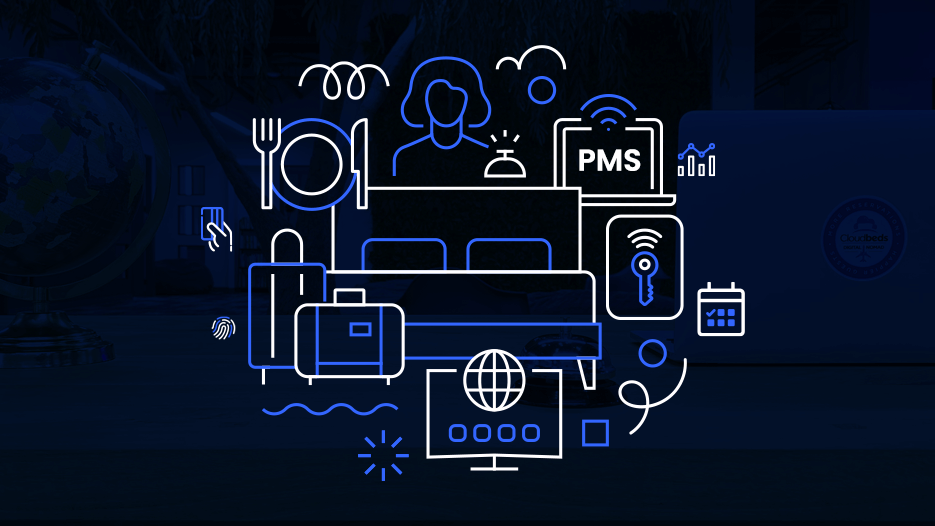
A PMS does not work in isolation. It sits at the center of a hotel’s technology stack.
- Reservation systems and booking engines send bookings into the PMS
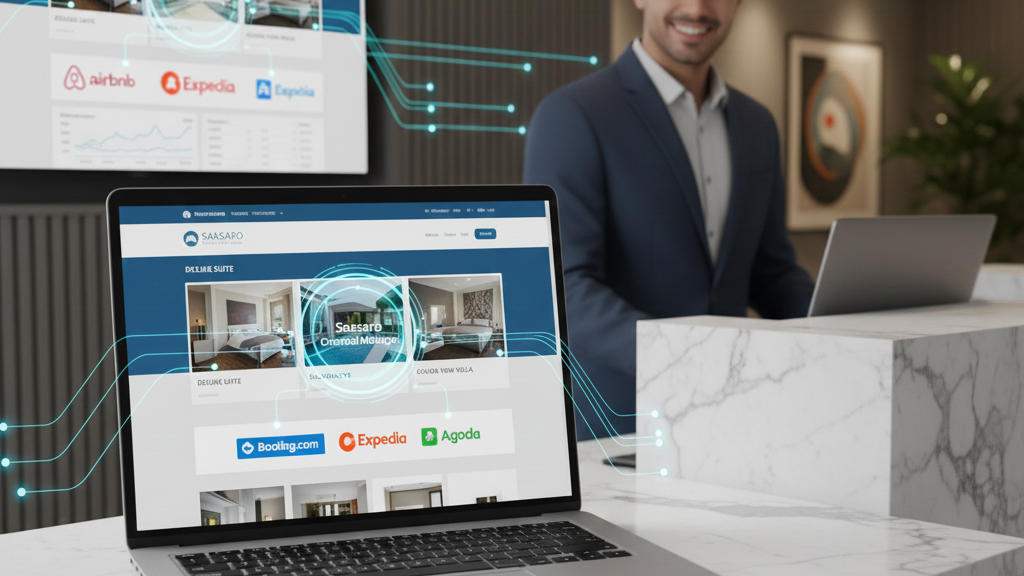
- Channel managers sync inventory and rates across OTAs
- Guest communication tools pull guest data from the PMS
- Revenue management systems rely on PMS data for forecasting
- Accounting systems receive billing and revenue data
The PMS acts as the single source of truth. If data is wrong in the PMS, every connected system suffers.
Why Hotel PMS Systems Are Critical Today
Hotels operate in real time. Rooms turn over daily. Prices change constantly. Staff rotate shifts. Guests arrive with expectations shaped by online information.
A PMS allows hotels to:
- Reduce manual work and errors
- Coordinate departments efficiently
- Maintain accurate guest records
- Control inventory and rates
- Generate reliable reports
Without a strong PMS, hotels struggle to scale, maintain consistency, or respond quickly to issues.
Core Functions of Hotel PMS Systems
Reservations and Inventory Management
The PMS manages room availability, room types, and rate plans. It ensures that when a booking is made, inventory updates immediately, reducing overbooking and confusion.
Centralized inventory management is especially important when hotels sell rooms through multiple channels.
Guest Profile and History Tracking
Every stay creates data. The PMS stores guest profiles, stay history, preferences, and billing information. This data becomes the foundation for personalization, loyalty programs, and guest communication.
Hotels that maintain clean guest profiles deliver more consistent service.
Front Desk Operations
Front desk teams rely on the PMS for:
- Check-in and check-out
- Room assignment
- ID and document details
- Folio management
- Payment processing
A well-designed PMS reduces check-in time and minimizes front desk stress during peak hours.
Housekeeping and Maintenance Coordination
Modern PMS systems track room status in real time:
- Vacant
- Dirty
- Clean
- Inspected
- Out of order
Housekeeping teams update status through the PMS, allowing front desk teams to allocate rooms accurately and avoid delays.
Maintenance requests can also be logged and tracked, improving accountability.
Billing, Invoicing, and Payments
The PMS handles:
- Room charges
- Taxes and service charges
- Add-on services
- Multiple payment methods
- Invoicing and receipts
Accurate billing is critical at check-out. PMS errors here directly affect guest trust.
Reporting and Analytics
A PMS generates operational and financial reports such as:
- Occupancy rate
- Average daily rate
- Revenue per available room
- Daily revenue summaries
- Forecasts and trends
These reports help management make informed decisions rather than relying on guesswork.
Traditional vs Cloud-Based Hotel PMS Systems
On-Premise PMS Systems
Traditional PMS systems are installed on local servers within the hotel.
Advantages
- Full control over data
- Works without internet
Limitations
- High upfront cost
- Manual updates
- Limited remote access
- Higher maintenance effort
Many hotels are moving away from this model due to inflexibility.
Cloud-Based PMS Systems
Cloud PMS systems operate online and are accessed via browsers or apps.
Advantages
- Lower upfront cost
- Automatic updates
- Access from anywhere
- Easier integrations
- Better scalability
For most modern hotels, cloud PMS systems offer greater flexibility and efficiency.
Key Features to Look for in a Hotel PMS System
Not all PMS systems are created equal. Hotels should focus on features that support real operations.
Real-Time Inventory and Rate Control
Rates and availability should update instantly across systems.
User Roles and Permissions
Different teams need different access levels. A good PMS supports role-based permissions.
Multi-Property Support
Hotel groups benefit from centralized control and reporting across properties.
Integration Capability
A PMS must integrate smoothly with:
- Booking engines
- Channel managers
- Revenue management tools
- Guest communication platforms
- Accounting systems
Integration prevents duplicate work and errors.
Reporting and Dashboards
Clear dashboards help managers monitor performance without digging through spreadsheets.
Mobile Access
Mobile-friendly PMS access helps front desk, housekeeping, and management stay connected on the move.
PMS Integration: The Heart of a Connected Hotel Tech Stack
Booking Engines
Direct bookings flow automatically into the PMS, reducing manual entry.
Channel Managers
Inventory and rate synchronization across OTAs depends on PMS accuracy.
Revenue Management Systems
Pricing decisions rely on historical and real-time PMS data.
Guest Communication Tools
Personalized messaging requires accurate guest profiles from the PMS.
Accounting and Finance Tools
Revenue reporting and reconciliation depend on clean PMS data.
How Hotel PMS Systems Improve Operations
Faster Check-In and Check-Out
Automation reduces wait times and errors.
Fewer Manual Mistakes
Single data entry prevents duplication and inconsistency.
Better Housekeeping Planning
Real-time room status improves efficiency and communication.
Unified Guest Records
Staff across departments access the same guest information.
Stronger Accountability
Tasks and actions are recorded, reducing confusion and blame.
Hotel PMS Systems and Revenue Performance
Accurate Forecasting
Historical data helps predict demand and plan pricing.
Data-Driven Decisions
Managers rely on facts, not assumptions.
Rate and Restriction Management
Minimum stays, closed dates, and promotions are controlled centrally.
Supporting Dynamic Pricing
PMS data enables dynamic pricing strategies when integrated with revenue tools.
Technology Adoption Challenges and Best Practices
Migrating From Legacy Systems
Data migration must be planned carefully to avoid loss or corruption.
Staff Training and Change Management
Even the best PMS fails without proper training. Staff adoption matters more than features.
Security and Privacy
Hotels must ensure data protection and compliance with regulations.
Transition Without Downtime
Implementation should minimize operational disruption.
Choosing the Right Hotel PMS System
Assess Hotel Size and Complexity
A small hotel needs simplicity. A multi-property group needs scalability.
Match Features to Actual Needs
Unused features add cost and confusion.
Understand Pricing Models
Look beyond subscription fees. Consider setup, integrations, and support costs.
Vendor Support and Reliability
Strong support matters more than fancy features.
Demos and Trials
Hands-on evaluation reveals usability issues early.
PMS Systems for Different Hotel Types
Small Independent Hotels
Simplicity, affordability, and ease of use matter most.
Boutique Hotels
Customization and guest personalization features add value.
Luxury Hotels
Deep integrations, CRM capabilities, and service coordination are essential.
Multi-Property Groups
Centralized reporting, role management, and scalability are critical.
Common Hotel PMS Mistakes to Avoid
- Choosing solely based on price
- Ignoring integration needs
- Underestimating training requirements
- Failing to plan for future growth
- Not measuring return on investment
These mistakes often cost more over time than the PMS itself.
Future Trends in Hotel PMS Systems
AI-Driven Automation
Predictive tasks, smart alerts, and demand forecasting will grow.
Mobile-First Operations
More staff tasks will shift to mobile devices.
Contactless Workflows
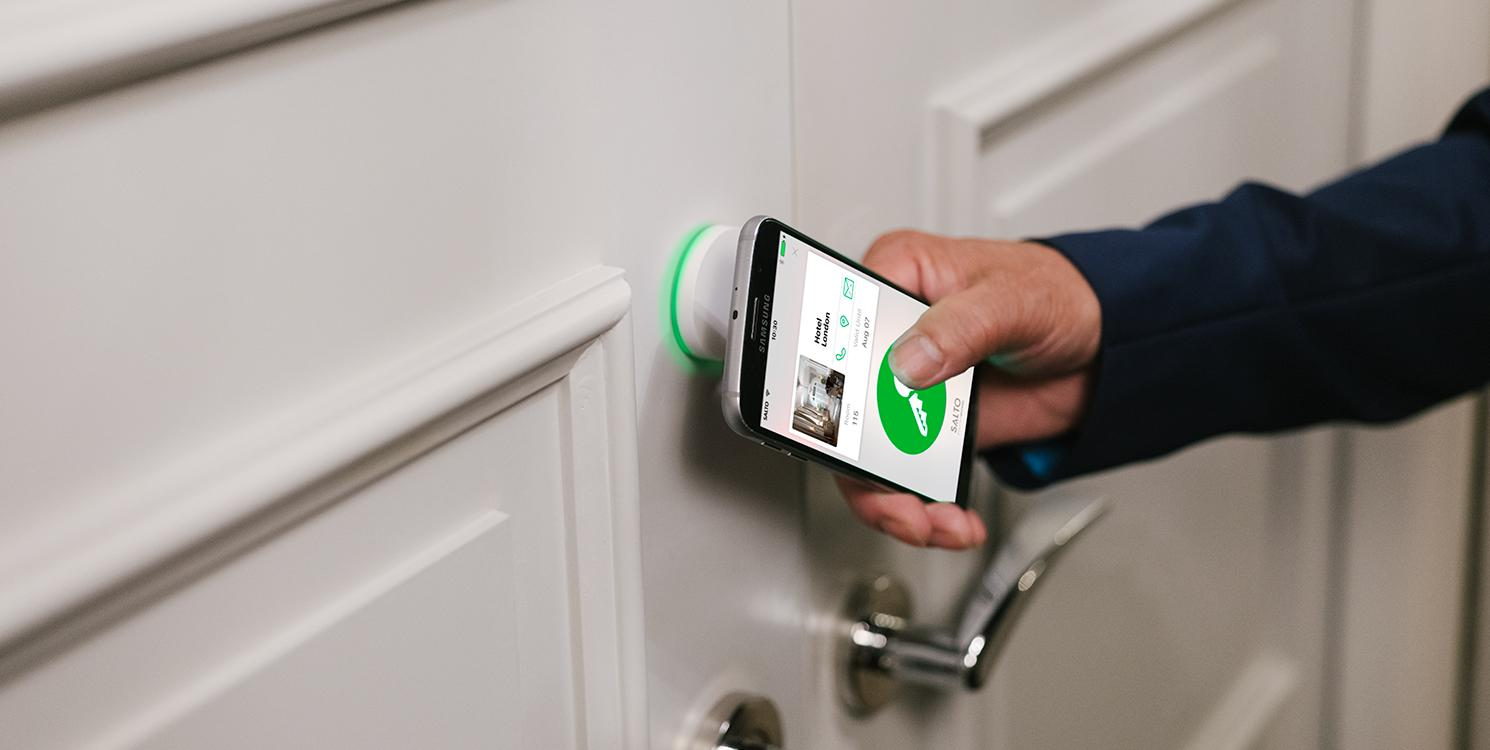
Digital check-in and digital keys will continue expanding.
Open API Ecosystems
Hotels will build flexible tech stacks instead of locked systems.
Frequently Asked Questions – Hotel PMS Systems
What does a hotel PMS system do?
It manages reservations, guests, rooms, billing, and reporting.
Do small hotels need a PMS?
Yes. Even small hotels benefit from accuracy and efficiency.
What is the difference between PMS and booking engine?
The PMS manages operations. The booking engine captures reservations.
How does a PMS integrate with OTAs?
Through channel managers that sync inventory and rates.
A hotel PMS system is not just software. It is how a hotel thinks, communicates, and operates internally. When chosen and implemented well, it simplifies operations, empowers staff, improves guest experience, and supports revenue growth.
Hotels that treat PMS selection as a strategic decision rather than a technical purchase gain long-term stability and flexibility. In an industry where consistency and speed matter more than ever, a strong PMS is one of the most important investments a hotel can make.