Behind every smooth hotel stay lies a system quietly doing the heavy lifting. While guests see rooms, views, and service, hotels manage something far more complex: inventory that expires daily, prices that change constantly, bookings coming from multiple channels, and guest data that must flow seamlessly across departments. At the center of this ecosystem sits the hotel reservation system.
- What Is a Hotel Reservation System?
- Hotel Reservation System vs Booking Engine vs PMS
- Why Hotel Reservation Systems Are Critical Today
- How a Hotel Reservation System Works
- Types of Hotel Reservation Systems
- Key Features of a Hotel Reservation System
- Hotel Reservation Systems and Distribution Channels
- Reservation Systems and Revenue Management
- Reservation Systems and Guest Experience
- Choosing the Right Hotel Reservation System
- Reservation Systems for Different Hotel Types
- Cloud Reservation Systems vs Legacy Systems
- Implementation and Training Best Practices
- Common Problems Hotels Face With Reservation Systems
- Measuring the Effectiveness of a Hotel Reservation System
- Future Trends in Hotel Reservation Systems
- Frequently Asked Questions About Hotel Reservation Systems
A hotel reservation system is not just software. It is the operational backbone that connects sales, revenue, front office, and guest experience. Hotels that treat reservation systems as basic tools often struggle with overbookings, rate errors, and missed revenue. Hotels that treat them as strategic assets gain control, clarity, and confidence.
This guide explains hotel reservation systems in a practical, non-technical way. It covers how they work, why they matter, how they connect with other hotel systems, and how hotels of different sizes can choose the right setup without overspending or overcomplicating operations.
What Is a Hotel Reservation System?
A hotel reservation system is a software platform that manages room availability, rates, and bookings across all sales channels. It records reservations, updates inventory in real time, stores guest details, and ensures that bookings made through different sources do not conflict with each other.
In simple terms, it answers three critical questions at all times:
- Which rooms are available?
- At what price?
- For which dates and channels?
Without a reliable reservation system, hotels rely on manual tracking, spreadsheets, or disconnected tools, increasing the risk of errors and lost revenue.
Hotel Reservation System vs Booking Engine vs PMS
These terms are often used interchangeably, but they serve different roles.
A reservation system manages availability and bookings at a core level.
A booking engine is the front-end interface that allows guests to book rooms online, usually on the hotel website.
A property management system (PMS) handles front office operations such as check-in, check-out, housekeeping status, billing, and reporting.
In modern hotels, these systems are usually integrated. The reservation system feeds booking data into the PMS, while the booking engine pulls availability and rates from the reservation system.
Understanding these differences helps hotels avoid buying overlapping tools or missing critical functionality.
Why Hotel Reservation Systems Are Critical Today
Centralized Booking Management
Hotels receive bookings from many sources: website, OTAs, phone calls, emails, walk-ins, and corporate partners. A reservation system centralizes all bookings into one source of truth.
This prevents double bookings and allows staff to see real-time availability instantly.
Reducing Overbookings and Errors
Manual processes fail under pressure. Reservation systems update availability automatically when a booking is made, reducing human error and guest dissatisfaction.
Supporting Direct and OTA Bookings Together
Reservation systems enable hotels to sell rooms across multiple channels while keeping inventory synchronized. This is essential for managing channel mix and controlling distribution costs.
Improving Guest Experience and Efficiency
Accurate reservations lead to smoother check-ins, fewer surprises, and better preparation for guest preferences. Operational efficiency improves when staff trust the system.
How a Hotel Reservation System Works
At its core, a reservation system performs four functions continuously.
Inventory and Availability Management
The system tracks how many rooms of each type are available for each date. When a room is booked, availability updates automatically across connected channels.
Rate and Room Type Control
Hotels set room types, rate plans, packages, and restrictions. The reservation system ensures the correct price is displayed based on date, demand, and rules.
Booking Confirmation and Guest Data Flow
When a reservation is made, the system generates confirmation details and stores guest information securely for operational and marketing use.
Integration With Other Hotel Systems
Modern reservation systems integrate with PMS, channel managers, revenue management tools, payment gateways, and CRM systems, creating a connected tech stack.
Types of Hotel Reservation Systems
On-Premise Reservation Systems
Older systems installed on local servers. They require manual updates, maintenance, and physical access. While once standard, they are increasingly outdated.
Cloud-Based Reservation Systems
Cloud systems operate online and can be accessed from anywhere. They update automatically, scale easily, and integrate more smoothly with other tools.
Central Reservation Systems (CRS)
CRS platforms manage reservations across multiple properties or brands. They are common in hotel chains and multi-property groups.
Enterprise vs Small Hotel Systems
Large hotels need advanced reporting, segmentation, and integration. Small hotels benefit from simpler, intuitive systems that prioritize reliability over complexity.
Key Features of a Hotel Reservation System
Real-Time Availability
Availability must update instantly across all channels. Delays cause overbookings and lost trust.
Multi-Channel Booking Management
The system should handle direct bookings, OTAs, and offline reservations seamlessly.
Rate and Package Management
Hotels should be able to create multiple rate plans, seasonal pricing, and bundled offers easily.
Guest Profile Management
Guest data enables personalization, loyalty, and repeat bookings.
Reporting and Analytics
Clear reports on bookings, occupancy, channel performance, and revenue support better decisions.
Payment and Policy Handling
Secure payment processing, cancellation rules, and deposit management are essential for cash flow control.
Hotel Reservation Systems and Distribution Channels
Direct Website Bookings
The reservation system feeds availability and rates to the booking engine. Any mismatch here directly impacts conversion.
OTA Connectivity
Through channel managers or direct connections, the reservation system ensures OTA availability matches reality.
GDS and Corporate Bookings
For hotels serving business travelers, reservation systems support corporate and agency bookings.
Channel Manager Integration
Channel managers act as bridges between the reservation system and multiple OTAs, keeping rates and inventory synchronized.
Reservation Systems and Revenue Management
Reservation systems are foundational to revenue strategy.
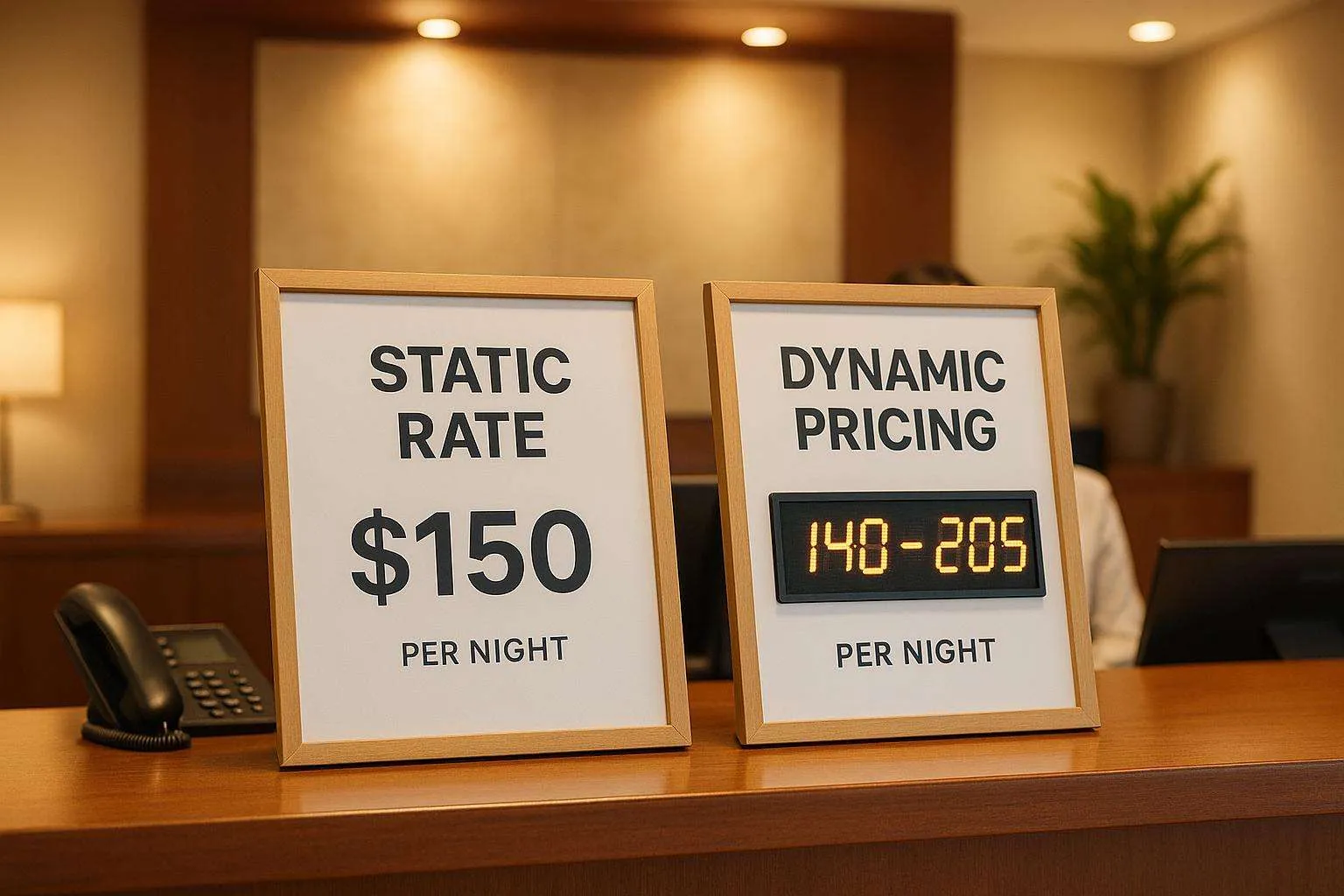
Supporting Dynamic Pricing
Dynamic pricing relies on accurate availability and pickup data. Reservation systems provide this data in real time.
Availability Control and LOS Rules
Minimum stay rules, closed dates, and room protection strategies are enforced through the reservation system.
Channel-Wise Revenue Tracking
Understanding which channels deliver profitable bookings starts with accurate reservation data.
Reservation Systems and Guest Experience
Faster Booking and Confirmation
A smooth booking experience builds confidence. Delays or errors increase abandonment.
Pre-Arrival Communication
Reservation data triggers confirmation emails, pre-arrival messages, and upsell opportunities.
Personalization Through Guest Data
Knowing guest preferences improves service and satisfaction.
Reducing Booking Friction
Clear policies and accurate availability reduce guest frustration.
Choosing the Right Hotel Reservation System
Factors to Consider
Hotels should evaluate:
- Property size and complexity
- Booking volume and channels
- Budget and cost structure
- Staff technical comfort
- Integration needs
Common Mistakes When Selecting Systems
Buying based on brand name alone, choosing overly complex systems, or ignoring staff usability are common mistakes.
Questions to Ask Vendors
Hotels should ask about uptime, support quality, integrations, data ownership, scalability, and total cost of ownership.
Reservation Systems for Different Hotel Types
Boutique Hotels
Need flexibility, design-friendly booking flows, and storytelling support.
Budget Hotels
Need speed, reliability, and simplicity. Overcomplexity adds cost without value.
Luxury Hotels
Require customization, personalization, and seamless integration across departments.
Independent Hotels
Benefit most from systems that combine power with ease of use.
Hotel Chains
Need centralized control, reporting, and brand consistency.
Cloud Reservation Systems vs Legacy Systems
Cloud systems offer lower upfront costs, automatic updates, remote access, and easier integrations. Legacy systems offer control but at the cost of flexibility and speed.
For most modern hotels, cloud-based systems are the practical choice.
Implementation and Training Best Practices
Data Migration and Setup
Clean data is essential. Incorrect room types or rates create long-term problems.
Staff Training
A powerful system is useless if staff do not understand it. Training should be role-specific and ongoing.
SOP Alignment
Reservation workflows must align with front office, housekeeping, and revenue SOPs.
Go-Live Checklist
Test bookings, payments, confirmations, and integrations before going live.
Common Problems Hotels Face With Reservation Systems
Overbookings, rate sync errors, poor user interfaces, limited reporting, and lack of support are frequent issues.
Most problems stem from poor setup or undertraining rather than system failure.
Measuring the Effectiveness of a Hotel Reservation System
Hotels should evaluate:
- Booking accuracy
- Conversion rates
- Reduction in manual work
- Staff efficiency
- Revenue impact
A good reservation system pays for itself through saved time and improved revenue.
Future Trends in Hotel Reservation Systems
Automation, AI-driven recommendations, mobile-first booking, and unified tech stacks are shaping the future.
Reservation systems are evolving from record-keeping tools into intelligent decision-support platforms.
Frequently Asked Questions About Hotel Reservation Systems
What is a hotel reservation system?
A system that manages room availability, rates, and bookings across channels.
Is a reservation system the same as a booking engine?
No. The reservation system manages inventory; the booking engine is the guest-facing interface.
Do small hotels need reservation systems?
Yes. Even small hotels benefit from accuracy, efficiency, and control.
Can reservation systems help increase revenue?
Yes. Accurate data and integration support better pricing and distribution decisions.
Hotel reservation systems are no longer optional infrastructure. They are strategic tools that influence revenue, operations, and guest experience simultaneously. Hotels that invest time in choosing, implementing, and using the right reservation system gain clarity and control in an increasingly complex market.
The right system does not just record bookings. It enables smarter pricing, smoother operations, and stronger guest relationships. In modern hospitality, that is not a luxury. It is a necessity.