Most hotels spend enormous time and money trying to attract new guests, yet overlook the most profitable opportunity sitting right in front of them: guests who have already booked. Hotel upselling strategies focus on increasing the value of each stay by offering relevant, timely, and experience-enhancing upgrades. When done correctly, upselling increases revenue and guest satisfaction at the same time.
- What Is Hotel Upselling?
- Upselling vs Cross-Selling in Hotels
- Why Hotel Upselling Strategies Matter
- Understanding Guest Psychology for Hotel Upselling
- Core Hotel Upselling Touchpoints
- Pre-Arrival Hotel Upselling Strategies
- Front Desk Upselling Strategies
- In-Stay Hotel Upselling Strategies
- Digital Upselling Strategies for Hotels
- Hotel Cross-Selling Strategies
- Upselling Strategies for Different Hotel Types
- Training Staff for Effective Hotel Upselling
- Measuring Upselling Success
- Common Hotel Upselling Mistakes
- Advanced Hotel Upselling Strategies
- Frequently Asked Questions About Hotel Upselling
Upselling is not about pushing guests to spend more. It is about giving them better choices. A guest who upgrades to a larger room, adds breakfast, or books a spa treatment often leaves happier than one who stays at the base level. For hotels, the cost of selling these add-ons is far lower than the cost of acquiring a new booking.
This guide explains hotel upselling strategies in depth. It shows where upselling works best, how to train staff, how to use technology, and how to ensure upselling feels like service rather than sales.
What Is Hotel Upselling?
Hotel upselling is the practice of encouraging guests to purchase a higher-value option than their original booking. This could be a room upgrade, an added service, or a premium experience. The key difference between upselling and selling is intent. Upselling improves the guest’s stay while increasing hotel revenue.
Upselling often happens at moments when guests are already emotionally invested. They have chosen the hotel and are open to enhancing their experience. This makes upselling one of the highest-conversion revenue tactics in hospitality.
Upselling vs Cross-Selling in Hotels
Upselling and cross-selling are often confused, but they serve different purposes.
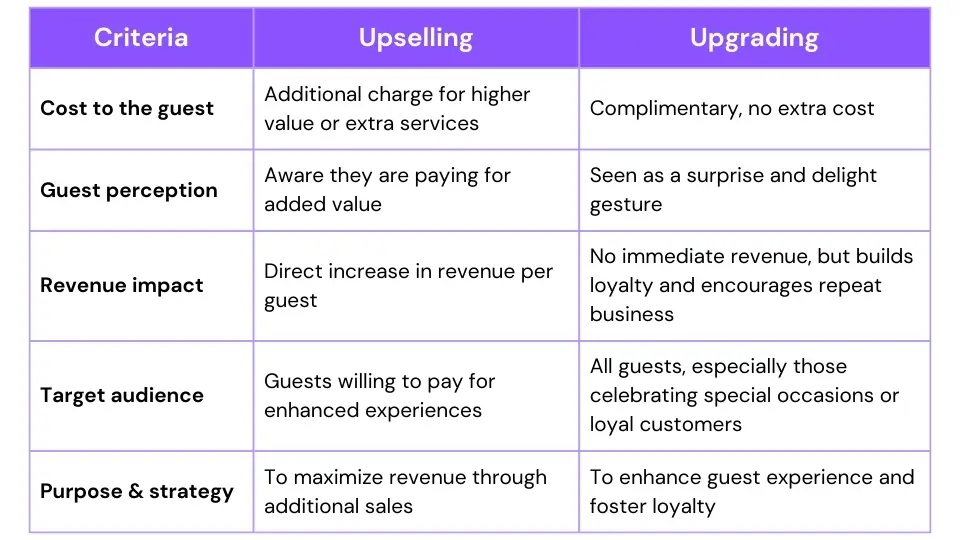
Upselling upgrades the same product, such as moving from a standard room to a suite or adding late check-out. Cross-selling adds related products, such as spa treatments, dining experiences, or airport transfers.
Both are important, but upselling typically impacts room revenue and ADR, while cross-selling increases total guest spend.
Why Hotel Upselling Strategies Matter
Increasing Average Daily Rate (ADR)
Room upgrades and paid add-ons directly increase ADR. Even small upgrades, when multiplied across many stays, create significant revenue growth over time.
Improving Total Revenue Per Guest
Guests do not evaluate their stay purely by room rate. They evaluate the overall experience. Upselling allows hotels to capture more value from guests who are willing to spend more for comfort or convenience.
Revenue Without New Inventory
Upselling uses existing inventory and services. The profit margin is high because fixed costs are already covered.
Enhancing Guest Experience
When done correctly, upselling improves guest satisfaction by offering personalization and choice rather than limitations.
Understanding Guest Psychology for Hotel Upselling
Successful upselling starts with understanding guest mindset.
Guests are most receptive to upsells when:
- They are planning their stay
- They arrive at the hotel
- They feel comfortable and cared for
Value matters more than price. Guests are willing to pay when the benefit is clear and immediate. Personalization increases acceptance. A generic offer feels like sales. A tailored suggestion feels like service.
Core Hotel Upselling Touchpoints
Upselling works best when integrated naturally into the guest journey.
Pre-Arrival Upselling
This is the most effective stage. Guests are excited and planning. Emails, WhatsApp messages, and booking confirmations are ideal for offering upgrades and add-ons.
Check-In Upselling
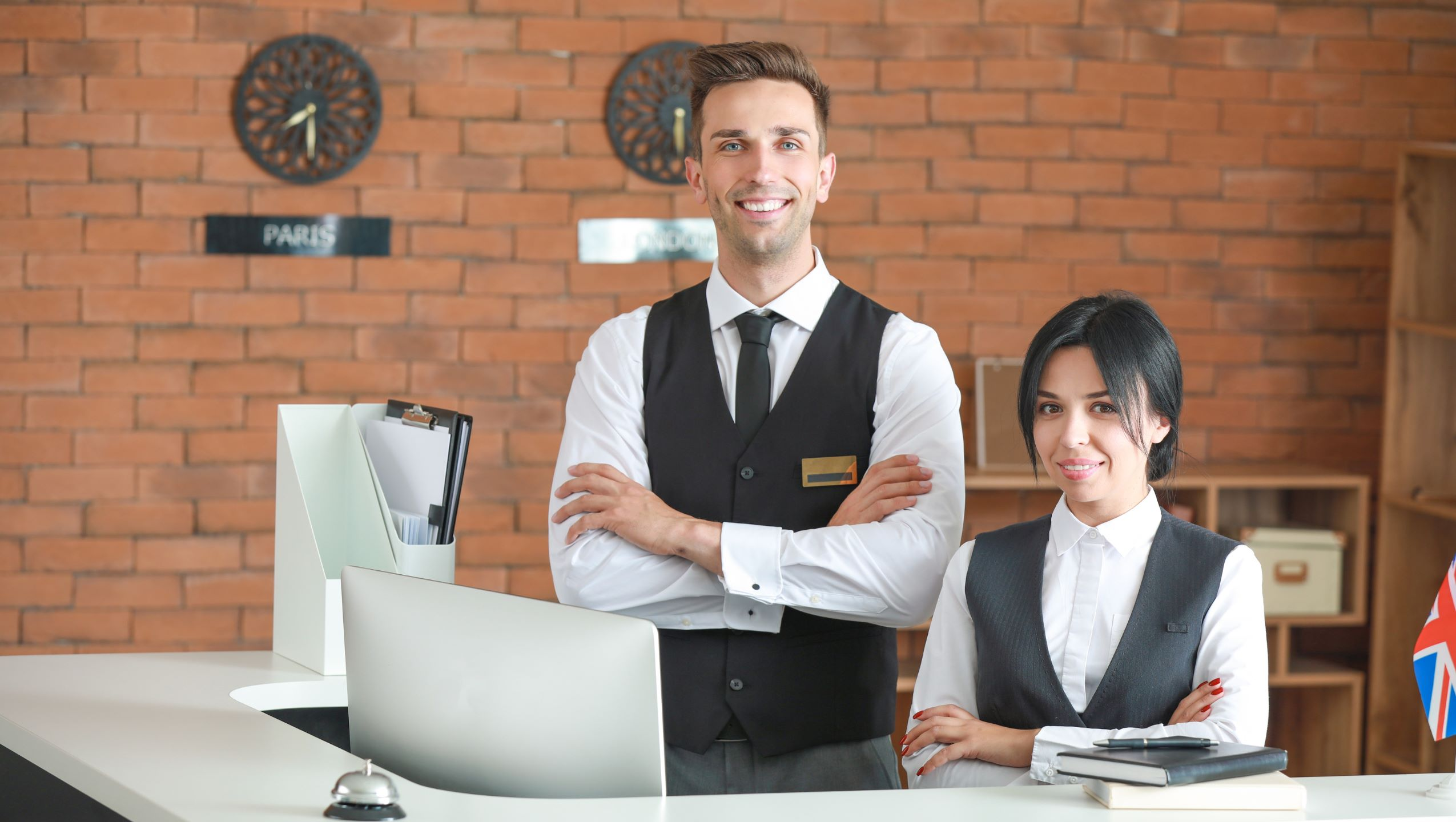
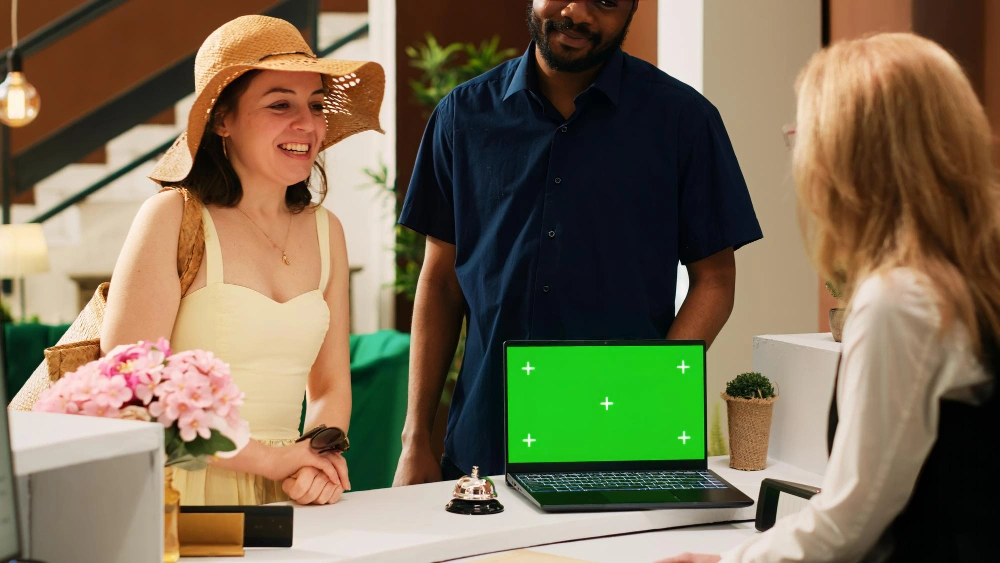
Front desk upselling works when staff are trained to read guest cues and present options confidently but politely.
In-Stay Upselling
During the stay, guests are relaxed and open to indulgence. Dining, spa, experiences, and convenience services perform well here.
Post-Booking and Post-Stay Upselling
While less common, post-stay offers for future visits or loyalty upgrades help increase lifetime value.
Pre-Arrival Hotel Upselling Strategies
Room Upgrade Offers Before Arrival
Offering discounted upgrades a few days before arrival increases conversion. Guests feel they are getting a deal while the hotel improves ADR.
Early Check-In and Late Check-Out
These are high-margin upsells with minimal operational cost when inventory allows. Guests value flexibility more than luxury in many cases.
Add-On Packages
Breakfast, airport transfers, celebration décor, and experience bundles increase perceived value and reduce decision friction.
Email and WhatsApp Upselling
Short, personalized messages perform best. Avoid long explanations. Focus on benefits, not features.
Front Desk Upselling Strategies
Front Office Upselling Scripts
Effective upselling scripts sound natural, not rehearsed. Example:
“We do have a larger room with a balcony available today for a small additional charge. Many guests prefer it for the extra space. Would you like to see it?”
Body Language and Tone
Confidence, warmth, and eye contact matter. Upselling should feel like offering help, not closing a sale.
Ethical Upselling
Never oversell or misrepresent. Trust lost at check-in damages the entire stay.
Incentivizing Front Desk Teams
Small incentives motivate consistency. Recognition often works better than cash alone.
In-Stay Hotel Upselling Strategies
Food and Beverage Upselling
Suggesting chef specials, premium drinks, or in-room dining upgrades increases average spend without pressure.
Spa and Wellness Upselling
Limited-time offers, bundled services, and staff recommendations improve uptake.
Experiences and Activities
Local tours, classes, or curated experiences create memorable stays and additional revenue.
Technology-Driven In-Stay Upsells
In-room tablets, QR menus, and mobile apps allow guests to browse upgrades privately and comfortably.
Digital Upselling Strategies for Hotels
Digital touchpoints reduce pressure and scale upselling.
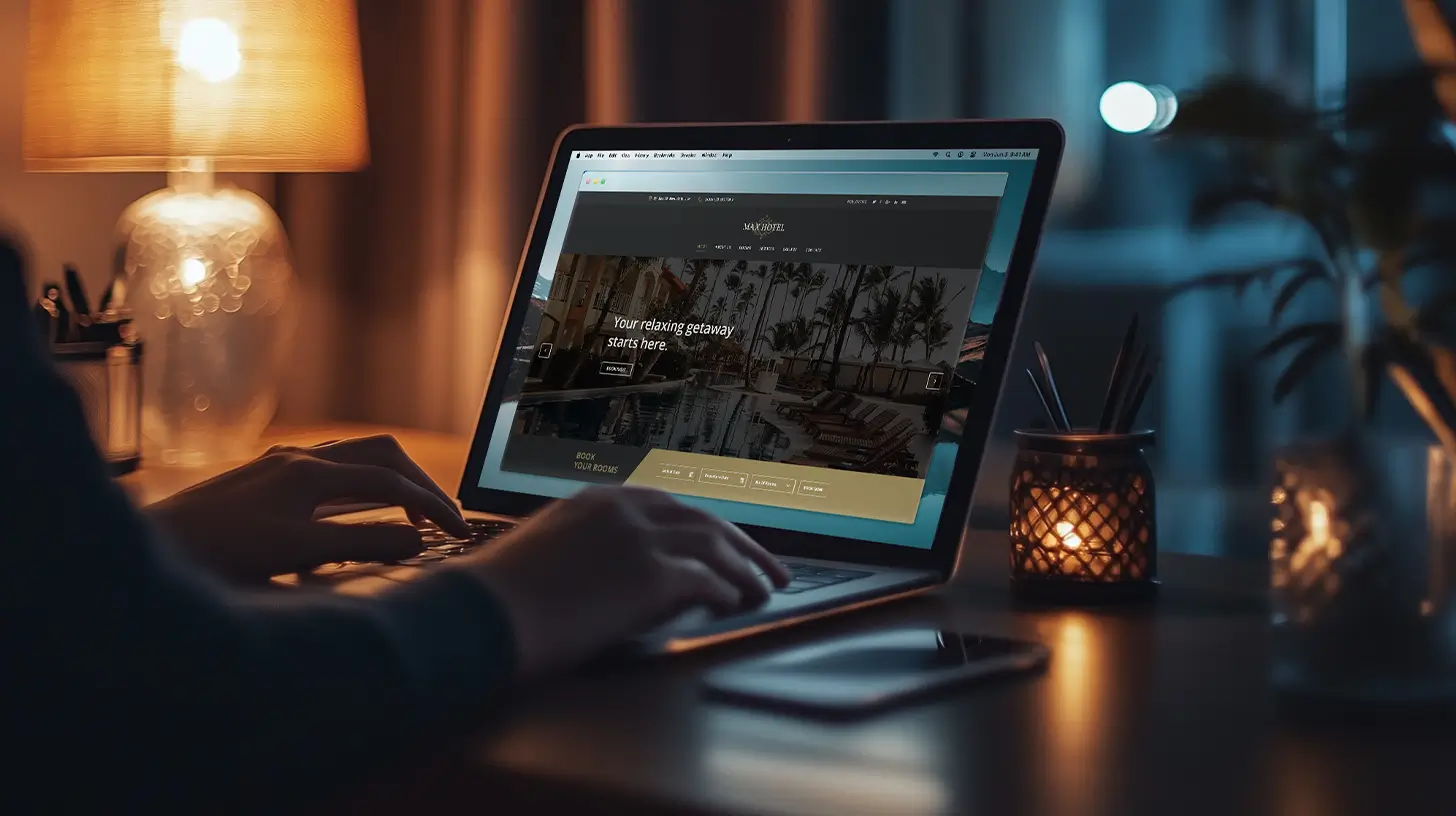
Website and Booking Engine Upsells
Offer add-ons during booking checkout. Keep choices limited and clearly priced.
Mobile and In-Room Digital Upselling
Push notifications for dining or spa offers work best when timed around guest routines.
Automation and Personalization
Automated systems that use guest preferences improve relevance and acceptance rates.
Hotel Cross-Selling Strategies
Cross-selling increases total spend without affecting room pricing.
Bundling Services
Packages that combine room, dining, and experiences increase perceived value and simplify decisions.
Partner-Based Cross-Selling
Collaborating with local experiences expands offerings without operational complexity.
Local Experience Upselling
Guests increasingly value authentic local experiences over generic amenities.
Upselling Strategies for Different Hotel Types
Boutique Hotels
Focus on personalization, storytelling, and unique experiences.
Budget Hotels
Convenience-based upsells such as meals, early check-in, or transport perform best.
Luxury Hotels
Subtle, high-touch upselling emphasizing exclusivity and personalization works best.
Independent Hotels
Flexibility allows creative upsells tailored to the local market.
Training Staff for Effective Hotel Upselling
Upselling is a service skill, not a sales trick.
Training should include:
- Understanding guest needs
- Timing and language
- Role-playing scenarios
- Handling rejection gracefully
When staff believe upselling improves guest experience, execution improves naturally.
Measuring Upselling Success
Key metrics include:
- Upsell conversion rate
- Incremental revenue per guest
- Impact on guest satisfaction scores
Tracking these metrics ensures upselling supports both revenue and experience.
Common Hotel Upselling Mistakes
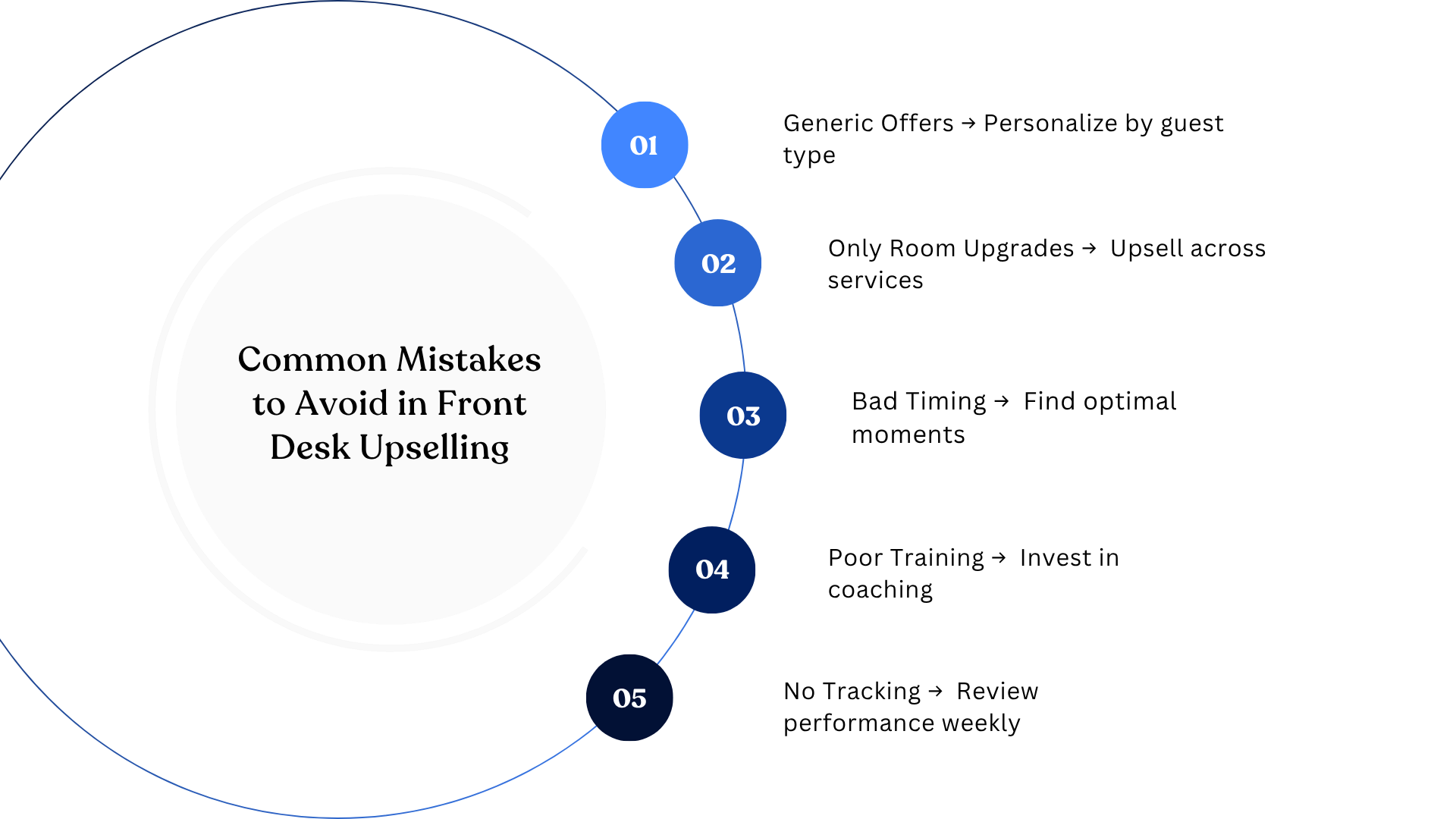
Pushing irrelevant offers, overpricing add-ons, inconsistent execution, and ignoring guest feedback reduce effectiveness.
Upselling fails when it feels forced or disconnected from service quality.
Advanced Hotel Upselling Strategies
Predictive analytics, personalized guest profiles, and total revenue management integration represent the future of upselling.
Hotels that align upselling with broader revenue strategies gain sustainable advantages.
Frequently Asked Questions About Hotel Upselling
What are hotel upselling strategies?
They are methods hotels use to increase guest spend by offering upgrades and add-ons.
How can hotels upsell without annoying guests?
By offering relevant, timely options focused on value, not pressure.
What are the best upselling ideas for hotels?
Room upgrades, late check-out, dining, spa services, and experiences.
Does upselling affect guest satisfaction?
When done correctly, it improves satisfaction by enhancing the stay.
Hotel upselling strategies are among the most powerful tools for increasing profitability in hospitality. They work because they focus on guests who are already committed and willing to enhance their experience.
When upselling is built into the guest journey, supported by training and technology, it becomes a win-win. Guests enjoy better stays, and hotels earn more revenue without chasing new bookings.
Upselling is not about selling more. It is about serving better.