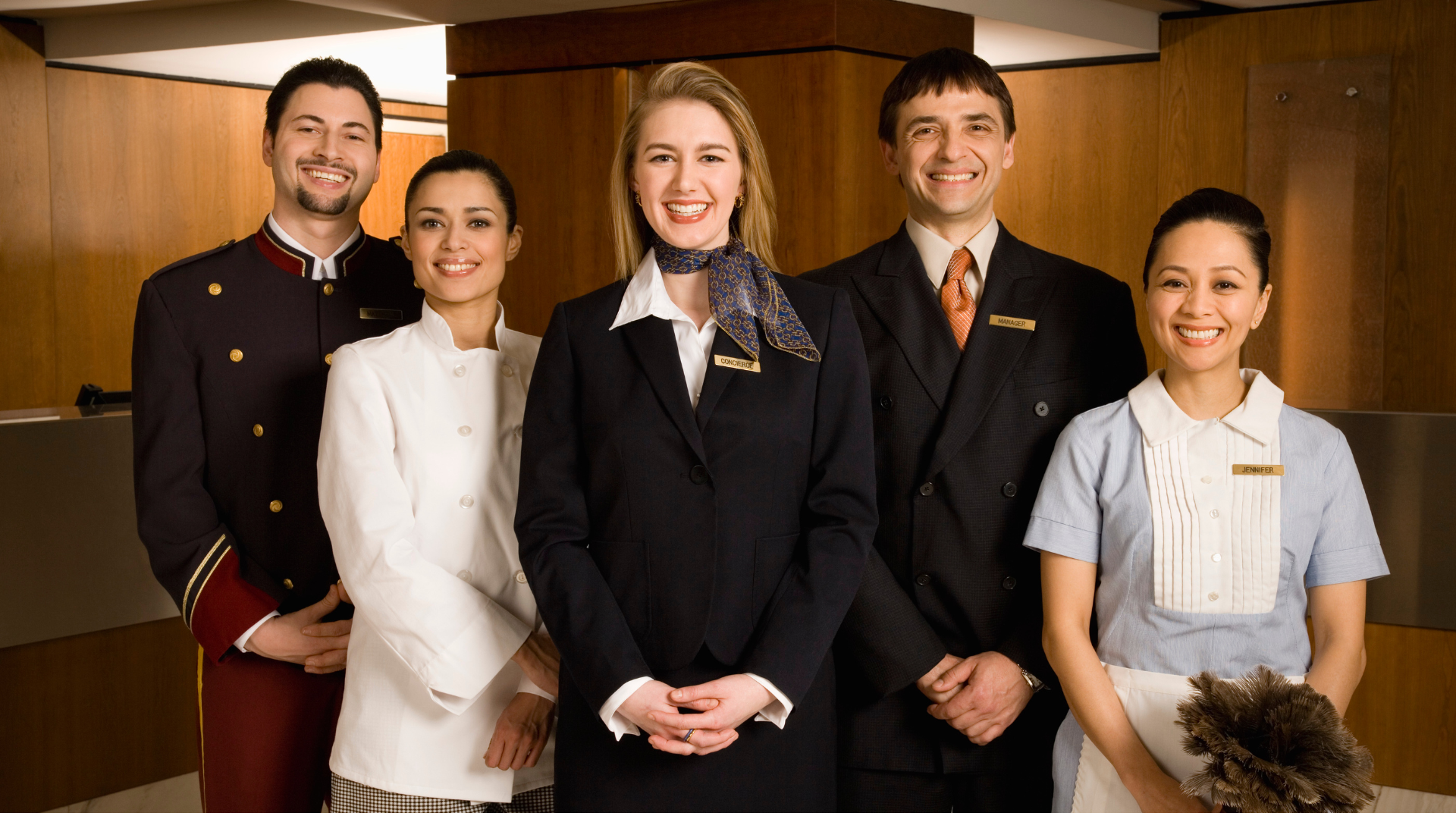
In hospitality, leadership is not confined to boardrooms or job titles. It is felt on the hotel floor during peak check-in hours, in the kitchen during a busy breakfast service, and at the front desk when a guest arrives tired after a long journey. Hospitality leadership shapes how teams behave under pressure, how guests are treated during difficult moments, and how consistently a hotel delivers on its promise.
- What Is Hospitality Leadership?
- Leadership vs Management in Hospitality
- Why Hospitality Leadership Is Critical for Hotel Success
- Core Hospitality Leadership Skills
- Leadership Styles in the Hospitality Industry
- Hospitality Leadership at Different Levels
- Building a Strong Leadership Culture in Hotels
- Hospitality Leadership and Staff Development
- Hospitality Leadership During Challenges
- Common Leadership Mistakes in Hospitality
- Modern Trends in Hospitality Leadership
- Measuring Leadership Effectiveness in Hotels
- Frequently Asked Questions About Hospitality Leadership
Unlike many industries, hospitality is deeply human. Service quality depends not only on systems and SOPs, but on emotions, attitudes, and behavior. This makes leadership in the hospitality industry uniquely challenging and uniquely powerful. Strong hospitality leadership can transform an average hotel into a guest-loved brand, while weak leadership can undo even the best infrastructure.
This guide explores hospitality leadership in depth. It explains what true leadership looks like in hotels, why it matters so much, which skills define great hospitality leaders, and how leadership directly impacts guest experience, staff retention, and long-term hotel success.
What Is Hospitality Leadership?
Hospitality leadership is the ability to guide, influence, and inspire hotel teams to deliver exceptional service while achieving business goals. It goes beyond assigning tasks or enforcing rules. At its core, hospitality leadership is about people, how they feel, how they perform, and how they connect with guests.
In hotels, leaders operate in dynamic environments where no two days are the same. Guest expectations shift, staff turnover is common, and operational pressures are constant. Hospitality leaders must balance empathy with accountability, flexibility with discipline, and service excellence with financial performance.
True hospitality leadership creates an environment where employees feel supported, motivated, and proud of their work. When leadership is strong, staff naturally deliver better service, communicate more effectively, and handle challenges with confidence.
Leadership vs Management in Hospitality
Hospitality often confuses leadership with management, but they are not the same. Management focuses on systems, processes, and control. Leadership focuses on people, purpose, and direction.
Managers ensure that schedules are followed, rooms are cleaned, and bills are accurate. Leaders ensure that staff feel motivated, guests feel valued, and teams work toward a shared vision. Hotels need both, but leadership gives meaning to management.
A hotel can survive with strong management but weak leadership, but it will rarely thrive. Sustainable success comes when leadership and management work together, when systems support people and people elevate systems.
Why Hospitality Leadership Is Critical for Hotel Success
Leadership Shapes Guest Experience
Guests may never meet the hotel owner or general manager, but they experience leadership through staff behavior. A culture of warmth, professionalism, and responsiveness always begins with leadership.
When leaders prioritize guest experience, staff follow suit. When leaders ignore service quality or tolerate poor behavior, service standards decline quickly. Leadership sets the emotional tone of the hotel, which guests feel immediately.
Leadership Reduces Staff Turnover
High staff turnover is one of the biggest challenges in hospitality. Poor leadership is often the root cause. Employees rarely leave hotels because of workload alone; they leave because they feel unsupported, unheard, or undervalued.
Strong hospitality leadership builds trust, recognizes effort, and creates growth opportunities. Employees who feel respected stay longer, perform better, and contribute positively to team culture.
Leadership Impacts Hotel Performance
Leadership affects productivity, efficiency, guest reviews, and profitability. Motivated teams make fewer mistakes, resolve issues faster, and create positive guest experiences that translate into repeat business.
Hotels with strong leadership cultures consistently outperform competitors, even in challenging markets.
Core Hospitality Leadership Skills
Communication and Emotional Intelligence
Effective communication is the foundation of hospitality leadership. Leaders must communicate clearly, listen actively, and adapt their message to different team members. Emotional intelligence allows leaders to understand team emotions, manage conflict, and respond with empathy.
In hospitality, where stress levels can be high, emotionally intelligent leaders maintain calm, reduce tension, and keep teams focused.
Decision-Making Under Pressure
Hotels operate in real time. Leaders must make quick decisions during overbookings, staff shortages, guest complaints, and operational disruptions. Strong leaders remain composed, assess situations logically, and act decisively.
Poor decision-making during pressure moments can escalate problems, while confident leadership restores control.
Conflict Resolution and Problem-Solving
Conflict is inevitable in hospitality due to long hours, diverse teams, and high expectations. Hospitality leaders must address conflicts early, fairly, and constructively.
Effective leaders focus on solutions rather than blame. They turn problems into learning opportunities and maintain team harmony.
Accountability and Integrity
Leadership credibility depends on integrity. Leaders who are consistent, fair, and accountable earn trust. When leaders hold themselves to the same standards as their teams, respect follows naturally.
Accountability creates a culture where responsibilities are taken seriously and excuses are minimized.
Adaptability in a Dynamic Industry
Hospitality evolves constantly due to changing guest preferences, technology, and market conditions. Leaders must adapt quickly, guide teams through change, and remain open to learning.
Rigid leadership struggles in hospitality. Adaptable leadership thrives.
Leadership Styles in the Hospitality Industry
Transformational Leadership
Transformational leaders inspire teams through vision and purpose. They motivate employees to go beyond basic duties and take pride in service excellence. This style is effective in building strong cultures and driving long-term growth.
Servant Leadership
Servant leadership focuses on supporting employees so they can serve guests better. Leaders remove obstacles, provide resources, and prioritize team well-being. This style works exceptionally well in hospitality, where employee satisfaction directly affects guest experience.
Situational Leadership
Situational leaders adapt their approach based on team maturity and operational context. During crises, they may take a directive role. During stable periods, they empower teams to make decisions.
Flexibility makes this style highly effective in hotels.
Autocratic vs Democratic Leadership
Autocratic leadership emphasizes control and quick decisions, which can be useful during emergencies. Democratic leadership encourages collaboration and team input, which improves morale and innovation.
Successful hospitality leaders balance both styles based on circumstances.
Hospitality Leadership at Different Levels
Hotel Owners as Visionary Leaders
Owners shape long-term direction, culture, and values. Their leadership influences investment decisions, service philosophy, and growth strategy. Owners who stay connected to operations and people create stronger brands.
General Managers as Cultural Leaders
General managers are the face of leadership within the hotel. They translate vision into daily action and influence every department. Their leadership style directly affects morale, standards, and performance.
Department Heads and Supervisors
Department leaders manage teams, enforce standards, and resolve daily issues. Their leadership quality determines departmental efficiency and staff satisfaction.
Frontline Leadership
Frontline staff often act as informal leaders during guest interactions. Empowering frontline leadership improves responsiveness and service recovery.
Building a Strong Leadership Culture in Hotels
Leadership culture begins with clear values and expectations. Leaders must define what the hotel stands for and demonstrate those values consistently.
Leading by example is essential. Staff observe how leaders behave under pressure, treat guests, and interact with employees. Consistent behavior builds credibility.
Empowering employees to make decisions builds confidence and improves service speed. Trust creates accountability.
Psychological safety, where staff feel comfortable speaking up, encourages innovation and reduces errors.
Hospitality Leadership and Staff Development
Great leaders invest in people. Coaching and mentoring help employees grow professionally and personally. Identifying future leaders early creates internal promotion pathways.
Leadership training programs strengthen succession planning and reduce dependence on external hiring. Developing leaders from within preserves culture and loyalty.
Hospitality Leadership During Challenges
During peak seasons, leaders must manage stress, allocate resources wisely, and maintain morale. During crises, leaders provide clarity, reassurance, and decisive action.
Change management is a critical leadership skill. Whether introducing new technology or updating SOPs, leaders must communicate purpose and guide teams through transition.
Common Leadership Mistakes in Hospitality
Micromanagement stifles confidence and slows operations. Poor communication creates confusion. Ignoring employee feedback damages trust. Inconsistent decisions weaken authority.
Awareness of these mistakes helps leaders grow and improve.
Modern Trends in Hospitality Leadership
Modern hospitality leadership emphasizes empathy, data-driven decision-making, diversity, and ethical responsibility. Technology-savvy leaders leverage data without losing the human touch.
Inclusive leadership attracts diverse talent and strengthens team culture.
Measuring Leadership Effectiveness in Hotels
Leadership effectiveness can be measured through staff retention, engagement levels, guest satisfaction scores, online reviews, and operational performance.
Strong leadership reflects positively across all metrics.
Frequently Asked Questions About Hospitality Leadership
What is hospitality leadership?
It is the ability to inspire and guide hotel teams to deliver excellent service while achieving business goals.
What leadership skills are most important in hospitality?
Communication, empathy, decision-making, adaptability, and integrity.
Why is leadership important in the hospitality industry?
Because service quality depends directly on people and culture.
How can hotel managers become better leaders?
Through self-awareness, training, feedback, and continuous learning.
Hospitality leadership is not about authority. It is about influence. It is about creating environments where employees feel valued and guests feel genuinely cared for. In an industry built on human connection, leadership is the most powerful competitive advantage.
Hotels that invest in leadership build resilient teams, loyal guests, and sustainable success. Great hospitality leaders do not just manage hotels. They shape experiences, cultures, and lasting memories.