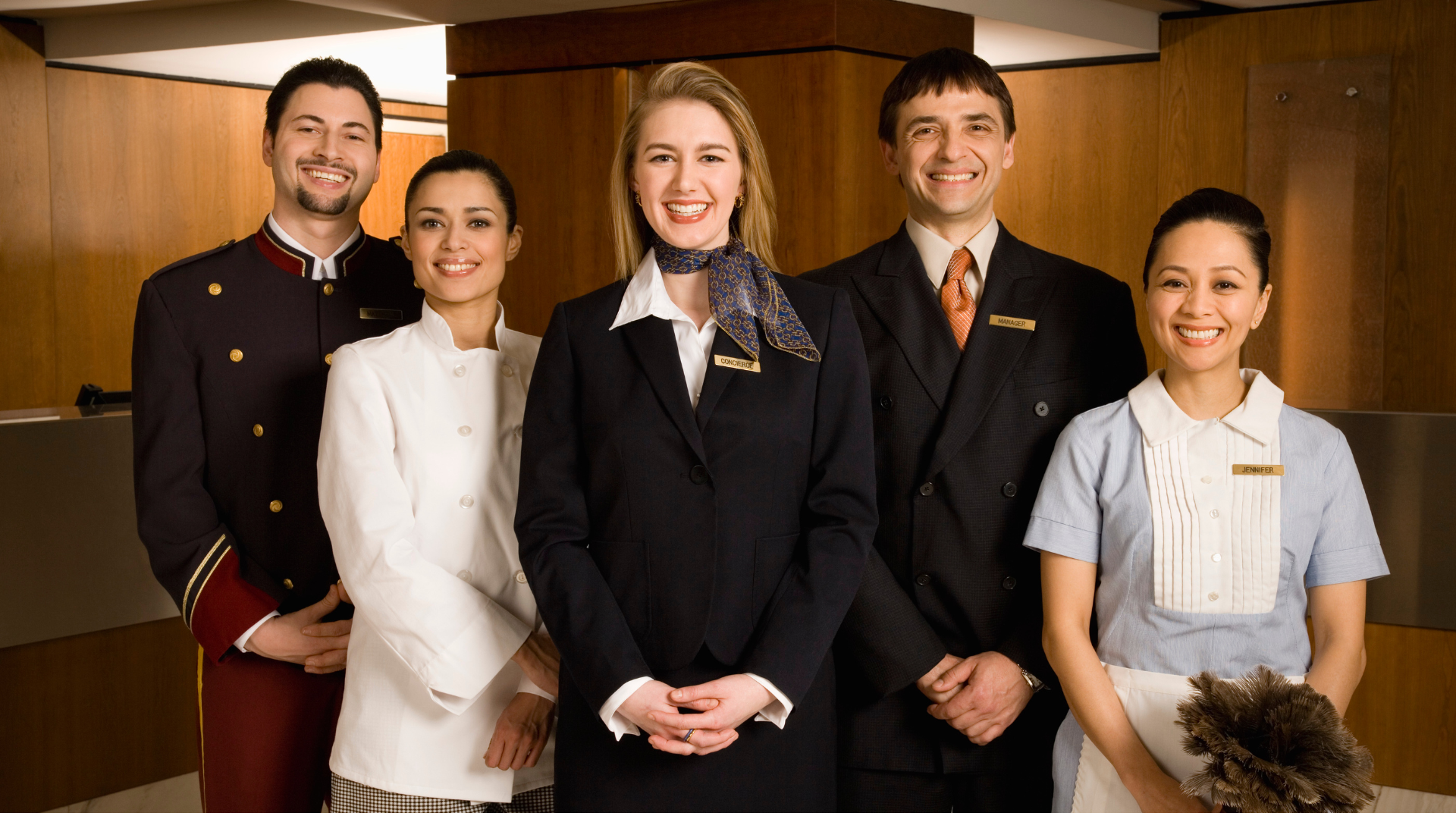
In the hospitality industry, consistency is not a luxury. It is a requirement. Guests expect the same level of service whether they arrive on a busy weekend or a quiet weekday, whether they are greeted by a senior manager or a newly joined staff member. The only way to deliver this consistency is through clearly defined and well-implemented hotel SOP standards.
- What Are Hotel SOP Standards?
- Difference Between Hotel SOPs and Hotel Policies
- Why Hotel SOP Standards Are Essential in Hotel Operations
- Core Departments Covered Under Hotel SOP Standards
- Structure of a Professional Hotel SOP Document
- How to Create Hotel SOP Standards Step by Step
- Implementing SOP Standards in Hotels
- SOP Standards for Guest Experience Management
- SOP Standards for Hotel Staff Management
- SOP Standards and Compliance
- Common Mistakes Hotels Make With SOP Standards
- Advanced SOP Standardization for Growing Hotels
- Frequently Asked Questions About Hotel SOP Standards
Standard Operating Procedures, commonly known as SOPs, form the operational backbone of successful hotels. They transform individual effort into structured systems. They ensure that service quality does not depend on mood, memory, or experience alone. Instead, it depends on clear, repeatable standards that every team member understands and follows.
This guide on hotel SOP standards explains what SOPs really mean in hotel operations, why they are critical, how to create them properly, and how to implement them in a way that improves efficiency, guest satisfaction, staff performance, and long-term scalability.
What Are Hotel SOP Standards?
Hotel SOP standards are documented procedures that define how specific tasks and processes must be performed in a hotel. These procedures outline step-by-step instructions, responsibilities, quality benchmarks, and compliance requirements for daily operations across all departments.
In simple terms, SOP standards answer four key questions for hotel staff:
What needs to be done, how it should be done, who is responsible, and what standard must be met.
Unlike informal instructions passed verbally, SOPs provide clarity and consistency. They reduce confusion, eliminate guesswork, and ensure that operations do not collapse when staff changes occur. In a service-driven business like hospitality, SOPs protect brand reputation by maintaining uniform service delivery.
Difference Between Hotel SOPs and Hotel Policies
Many hotels confuse SOPs with policies, but they serve different purposes.
Hotel policies define rules and expectations. They state what is allowed and what is not, such as attendance rules, code of conduct, or leave policies. SOPs, on the other hand, explain how tasks are performed.
For example, a policy may state that guest complaints must be handled professionally. The SOP explains the exact steps for receiving a complaint, documenting it, resolving it, escalating if required, and following up with the guest.
Policies set boundaries. SOPs create action. Both are essential, but SOPs are what keep operations running smoothly on a daily basis.
Why Hotel SOP Standards Are Essential in Hotel Operations
Ensuring Service Consistency
Consistency is the hallmark of professional hotels. SOP standards ensure that every guest receives the same quality of service regardless of time, staff member, or occupancy level. This consistency builds trust and strengthens brand identity.
When SOPs are absent, service becomes unpredictable. One guest may receive excellent service, while another experiences delays or errors. SOPs eliminate this variability and protect guest experience.
Improving Staff Efficiency and Accountability
Clear SOPs reduce dependency on supervision. When staff know exactly what is expected, they work with confidence and efficiency. SOPs also clarify responsibility, reducing blame-shifting during operational issues.
Efficient SOPs reduce training time, minimize mistakes, and improve workflow coordination between departments.
Enhancing Guest Satisfaction and Reviews
Most negative reviews stem from operational failures such as delays, miscommunication, cleanliness issues, or poor complaint handling. SOP standards directly address these problems by defining correct processes.
Hotels with strong SOP implementation experience fewer service errors and faster problem resolution, which leads to higher guest satisfaction and better online ratings.
Core Departments Covered Under Hotel SOP Standards
Front Office SOP Standards
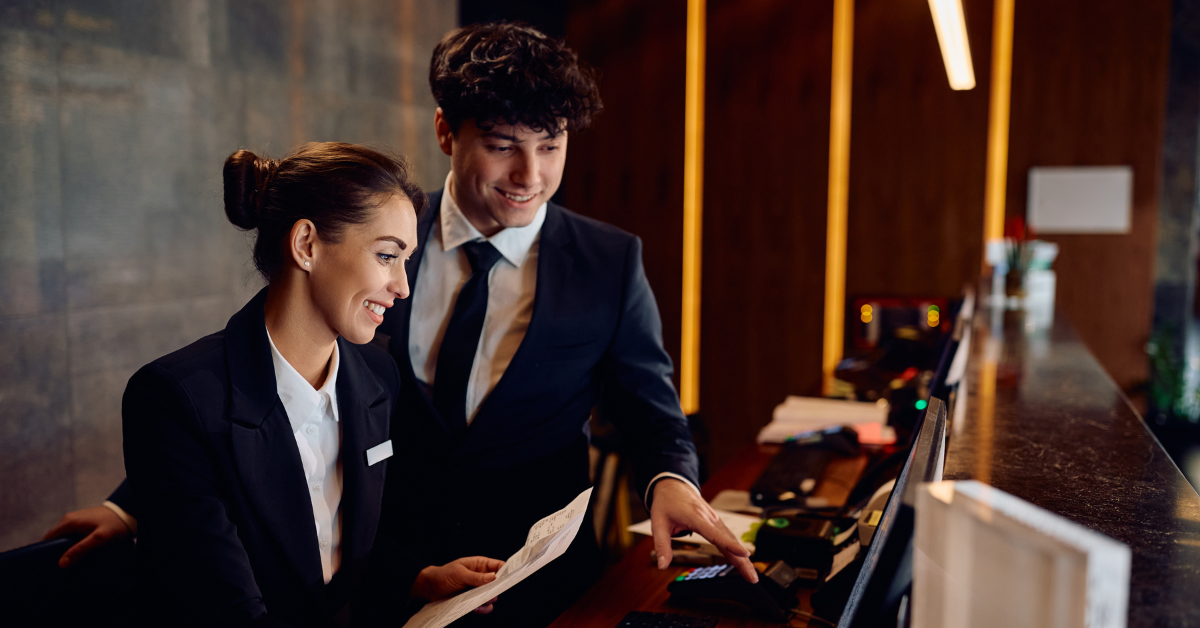
Front office SOPs govern guest-facing operations and internal coordination. These SOPs typically cover reservation handling, check-in and check-out procedures, guest verification, billing accuracy, cash handling, and complaint management.
Front office SOP standards ensure smooth arrivals, accurate billing, proper documentation, and consistent communication. They also define escalation protocols for issues such as overbooking or guest dissatisfaction.
Well-documented front office SOPs reduce guest wait time and prevent costly errors.
Housekeeping SOP Standards
Housekeeping SOPs define cleaning procedures, room inspection standards, linen handling, lost-and-found processes, and hygiene protocols. These SOPs directly impact cleanliness, which is one of the most critical factors in guest satisfaction.
Housekeeping SOP standards include detailed checklists for room cleaning, timing benchmarks, chemical usage guidelines, and safety measures. They ensure that every room meets the same quality standard before being released for occupancy.
Food and Beverage SOP Standards
Food and beverage SOPs focus on food safety, hygiene, service flow, kitchen coordination, inventory management, and guest service standards. These SOPs protect guest health and ensure consistent dining experiences.
Kitchen SOPs define food preparation procedures, storage standards, cleanliness requirements, and waste control. Service SOPs outline order-taking, service sequence, table management, and guest interaction protocols.
Maintenance and Engineering SOP Standards
Maintenance SOPs cover preventive maintenance schedules, emergency repairs, equipment handling, and safety checks. These SOPs reduce downtime and prevent guest disruptions.
Preventive maintenance SOPs help hotels avoid costly breakdowns and extend the life of assets. Emergency SOPs ensure quick and safe responses during power failures, plumbing issues, or equipment malfunctions.
Security and Safety SOP Standards
Security SOPs are critical for guest and staff safety. These include fire safety procedures, emergency evacuation plans, incident reporting, and access control.
Clear safety SOPs prepare staff to respond calmly and effectively during emergencies. Regular training and drills reinforce compliance and readiness.
Structure of a Professional Hotel SOP Document
A professional SOP document follows a clear and logical structure to ensure usability.
Each SOP should begin with a clear title and objective, explaining the purpose of the procedure. This is followed by the scope, which defines where and when the SOP applies, and responsibility, which specifies who must follow it.
The core section includes step-by-step procedures written in simple, action-oriented language. Supporting tools such as checklists, forms, and templates should be referenced where applicable.
Finally, the SOP should include compliance guidelines and a review schedule to ensure the procedure remains updated and relevant.
How to Create Hotel SOP Standards Step by Step
Creating effective SOP standards requires a structured approach rather than copying templates blindly.
The first step is identifying all operational processes across departments. This includes routine tasks, guest interactions, emergency situations, and compliance requirements.
Next, hotels should map current practices by observing how tasks are actually performed. This helps identify gaps, inefficiencies, and best practices already in use.
Once best practices are identified, they should be standardized and documented clearly. SOPs should be practical, realistic, and aligned with the hotel’s service philosophy.
Before full implementation, SOPs should be tested in real operations. Feedback from staff helps refine procedures and improve usability.
Implementing SOP Standards in Hotels
Creating SOPs is only half the work. Implementation determines success.
Staff must be trained thoroughly on SOPs, not just handed documents. Training should include demonstrations, role-plays, and practical explanations of why each step matters.
SOPs should be easily accessible, either digitally or in physical manuals. Visibility ensures compliance. Supervisors play a key role in monitoring adherence and conducting audits.
When SOP deviations occur, they should be addressed constructively. The goal is improvement, not punishment. Feedback loops ensure SOPs evolve with operational realities.
SOP Standards for Guest Experience Management
Guest experience SOPs define how hotels handle interactions that significantly impact perception.
Complaint handling SOPs outline how staff should listen, apologize, resolve, document, and follow up on guest issues. VIP handling SOPs define personalized service protocols for high-value guests.
Service recovery SOPs guide staff in turning negative experiences into positive outcomes through timely and empathetic action.
These SOPs empower staff to act confidently and consistently during emotionally sensitive situations.
SOP Standards for Hotel Staff Management
Staff management SOPs ensure discipline, professionalism, and smooth coordination. These include grooming standards, attendance procedures, shift handovers, and escalation protocols.
Clear grooming and conduct SOPs protect brand image. Shift handover SOPs ensure continuity and prevent information loss between teams.
Disciplinary SOPs provide fair and transparent processes for addressing performance issues, reducing conflict and confusion.
SOP Standards and Compliance
Compliance SOPs ensure hotels meet legal, health, and safety requirements. Hygiene SOPs protect guests and staff from health risks. Data protection SOPs safeguard guest privacy and prevent legal issues.
Regulatory SOPs ensure compliance with labor laws, safety regulations, and licensing requirements. Regular audits and updates maintain compliance integrity.
Common Mistakes Hotels Make With SOP Standards
Many hotels create SOPs that exist only on paper. Without training and monitoring, SOPs lose relevance.
Overcomplicated SOPs discourage compliance. SOPs should be simple, clear, and practical. Another common mistake is failing to update SOPs as operations evolve.
SOPs must be living documents that grow with the hotel.
Advanced SOP Standardization for Growing Hotels
As hotels expand, SOPs become critical for scalability. Multi-property operations require standardized SOPs to maintain brand consistency.
Digitizing SOPs improves accessibility and version control. SOPs can also be used as training tools, audit benchmarks, and performance evaluation criteria.
Hotels that integrate SOPs into daily culture operate more efficiently and scale more confidently.
Frequently Asked Questions About Hotel SOP Standards
What are SOP standards in hotels?
They are documented procedures that define how hotel operations should be performed consistently.
Why are SOPs important in hotel management?
They ensure consistency, reduce errors, improve efficiency, and protect guest experience.
How many SOPs does a hotel need?
It depends on hotel size and complexity, but every department should have core SOPs.
How often should hotel SOPs be updated?
SOPs should be reviewed at least annually or whenever operations change.
Hotel SOP standards are not paperwork. They are the foundation of professional hospitality operations. They turn individual effort into organized excellence and protect service quality during growth, staff changes, and operational pressure.
Hotels that invest time in building, implementing, and maintaining SOP standards operate with clarity, confidence, and consistency. In an industry where guest experience defines success, SOPs are not optional. They are essential.