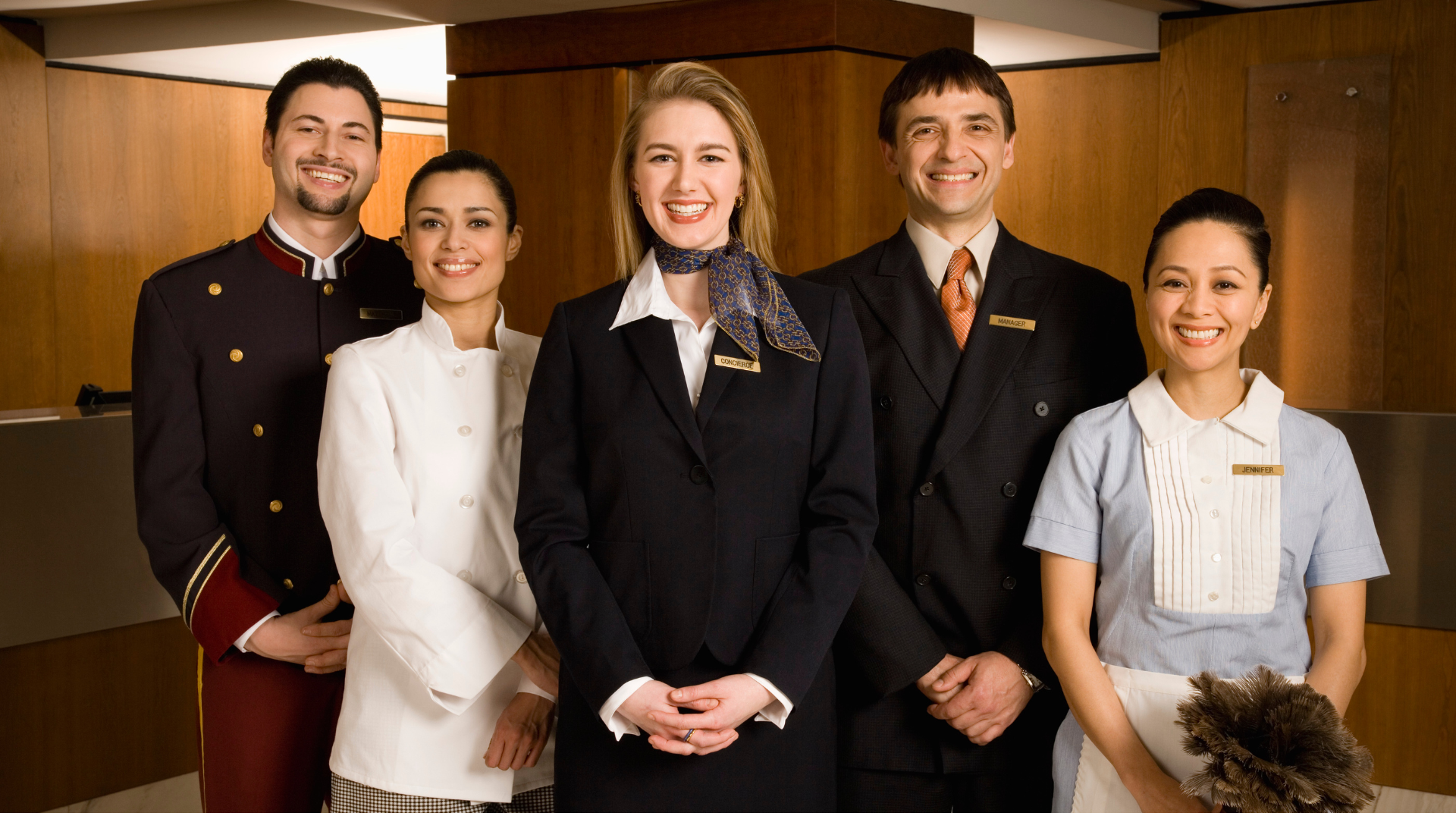
Hotel operations are the invisible engine that keeps a hotel running smoothly every single day. Guests may only see clean rooms, smiling staff, and seamless service, but behind that experience lies a complex network of processes, people, and systems working in perfect coordination. A hotel can have beautiful interiors and a prime location, yet still fail if its operations are weak. On the other hand, even a modest property can outperform competitors when its operations are structured, efficient, and guest-focused.
- What Are Hotel Operations?
- Key Departments Involved in Hotel Operations Guide
- Daily Hotel Operations Workflow
- Standard Operating Procedures (SOPs) in Hotel Operations
- Hotel Operations Management Best Practices
- Roles and Responsibilities in Hotel Operations
- Technology in Hotel Operations
- Hotel Operations and Guest Experience
- Financial Control Within Hotel Operations
- Health, Safety, and Compliance in Hotel Operations
- Common Hotel Operations Challenges
- Advanced Hotel Operations Strategies
- Frequently Asked Questions About Hotel Operations
This hotel operations guide is designed to give hotel owners, operations managers, supervisors, and hospitality professionals a clear, practical understanding of how daily hotel operations work and how to manage them efficiently. This is not theory-heavy content. It is a real-world operational manual that explains what happens behind the scenes in a well-run hotel and how you can implement similar systems in your own property.
What Are Hotel Operations?
Hotel operations refer to the day-to-day activities required to run a hotel smoothly and deliver consistent guest experiences. While hotel management focuses on planning, strategy, and leadership, hotel operations focus on execution. Operations are where plans meet reality.
Every guest interaction, room cleaning, meal service, maintenance task, billing process, and staff shift falls under hotel operations. These activities may seem routine, but their quality determines guest satisfaction, online reviews, staff efficiency, and profitability. When operations are disorganized, guests feel it immediately. When operations are structured, guests may not notice the effort, but they remember the comfort.
Hotel operations are important because they directly impact service speed, cleanliness, safety, cost control, and revenue generation. Strong operations create predictability, reduce errors, and allow managers to focus on growth instead of constant problem-solving.
Key Departments Involved in Hotel Operations Guide
Hotel operations are not handled by one department alone. They are the result of multiple departments working together in alignment.
Front Office Operations
The front office is the control center of hotel operations. It handles reservations, check-ins, check-outs, guest communication, billing, and coordination with other departments. The front desk sets the tone for the guest experience and acts as the primary communication bridge within the hotel.
Efficient front office operations ensure smooth arrivals, accurate billing, and timely guest support. Poor front office coordination leads to long queues, billing errors, and guest frustration.
Housekeeping Operations
Housekeeping is responsible for cleanliness, hygiene, and room readiness. This department directly influences guest comfort and review scores. Operations include room cleaning schedules, linen management, inspections, lost-and-found handling, and coordination with front office for room status updates.
Strong housekeeping operations rely on checklists, inspection protocols, and clear communication. A single missed detail can negatively affect guest perception, which is why housekeeping operations must be precise and consistent.
Food and Beverage Operations
Food and beverage operations cover kitchen management, service flow, hygiene standards, inventory control, and coordination with guest preferences. Whether it is a breakfast buffet or room service, F&B operations require timing, teamwork, and strict quality control.
Operational efficiency in F&B reduces waste, controls costs, and improves guest satisfaction. Poor coordination between kitchen and service staff often leads to delays and complaints.
Maintenance and Engineering Operations
Maintenance operations keep the hotel functional and safe. This includes preventive maintenance, emergency repairs, equipment checks, and asset management. Guests may not notice good maintenance, but they always notice broken fixtures, faulty air conditioning, or water issues.
Preventive maintenance is a critical part of hotel operations because it reduces downtime, extends asset life, and avoids guest disruptions.
Sales, Marketing, and Revenue Operations
While often seen as strategic functions, sales and revenue tasks are also part of daily operations. Rate updates, channel management, booking flow monitoring, and inventory control happen every day.
Operational coordination between sales, front office, and finance ensures accurate pricing, availability, and revenue tracking.
Daily Hotel Operations Workflow
Well-run hotels follow a structured daily operations cycle. This workflow ensures continuity and reduces confusion across shifts.
Pre-Shift Operational Planning
Each shift should begin with a briefing. Pre-shift planning includes reviewing occupancy levels, arrivals and departures, VIP guests, special requests, maintenance issues, and staffing assignments. These briefings align teams and prevent surprises.
Pre-shift planning also allows managers to allocate resources efficiently, especially during high-occupancy periods.
During-Shift Hotel Operations
During the shift, operations focus on service delivery and coordination. Front desk handles guest interactions, housekeeping manages room readiness, maintenance addresses issues, and F&B executes service.
Communication during the shift is crucial. Departments must share updates in real time to avoid delays and errors. When an issue arises, escalation protocols ensure quick resolution.
End-of-Day Operations and Reporting
End-of-day operations include closing reports, cash reconciliation, billing verification, room status updates, and handover notes for the next shift. These tasks ensure operational continuity and financial accuracy.
Clear handovers prevent repeated mistakes and help the next shift start smoothly.
Standard Operating Procedures (SOPs) in Hotel Operations
Standard Operating Procedures are the backbone of efficient hotel operations. SOPs define how tasks should be performed, by whom, and to what standard.
Without SOPs, operations depend too much on individual experience, which leads to inconsistency. With SOPs, service quality remains stable even when staff changes.
Essential SOPs include front desk operations, housekeeping cleaning standards, complaint handling, emergency response, maintenance reporting, and hygiene protocols. SOPs also simplify training and reduce dependency on supervision.
Hotels that document and regularly update SOPs operate more smoothly and recover faster from disruptions.
Hotel Operations Management Best Practices
Strong Inter-Department Communication
Communication failures are one of the biggest operational challenges in hotels. Daily coordination meetings, shared logs, and digital communication tools improve transparency.
When departments understand each other’s priorities, operations become collaborative instead of reactive.
Time Management and Task Prioritization
Hotels operate in cycles of peak and low demand. Efficient operations require adjusting staffing and task priorities accordingly. Managers must identify critical tasks and allocate resources where they matter most.
Poor prioritization leads to staff burnout and service gaps.
Regular Operational Audits
Operational audits help identify gaps before they become guest complaints. Room inspections, service audits, and internal checks ensure standards are maintained consistently.
Audits should be corrective, not punitive. The goal is improvement, not blame.
Roles and Responsibilities in Hotel Operations
Hotel Operations Manager
The operations manager oversees daily activities across departments. This role requires problem-solving skills, communication ability, and a deep understanding of hotel workflows.
Operations managers ensure SOPs are followed, issues are resolved quickly, and performance targets are met.
Department Heads and Supervisors
Supervisors translate operational plans into action. They monitor staff performance, handle immediate issues, and report to management.
Strong supervision ensures accountability and consistency.
Frontline Staff
Frontline employees execute operations and represent the hotel brand. Their efficiency, attitude, and adherence to procedures directly affect guest experience.
Training and motivation are essential for frontline operational success.
Technology in Hotel Operations
Technology simplifies operations and reduces manual errors. A Property Management System centralizes reservations, billing, housekeeping coordination, and reporting.
Channel managers synchronize room availability across booking platforms, while maintenance systems track repairs and preventive tasks.
Technology should support staff, not complicate workflows. The best systems are those that are easy to use and aligned with operational needs.
Hotel Operations and Guest Experience
Operations directly shape guest experience. Fast check-ins, clean rooms, prompt service, and quick issue resolution are all outcomes of strong operations.
Operational failures such as overbooking, delayed room readiness, or maintenance issues can damage guest trust. However, transparent communication and quick recovery can minimize impact.
Guests may forget what went wrong, but they remember how the hotel handled it.
Financial Control Within Hotel Operations
Daily operations involve continuous financial decisions. Monitoring room revenue, F&B sales, and operational expenses helps maintain profitability.
Cost control in operations includes managing utilities, inventory, labor scheduling, and vendor contracts. Small operational inefficiencies can accumulate into significant financial losses.
Daily revenue tracking and expense monitoring keep operations financially disciplined.
Health, Safety, and Compliance in Hotel Operations
Health and safety are non-negotiable in hotel operations. Cleanliness standards, food safety protocols, fire safety measures, and security procedures protect both guests and staff.
Compliance with local regulations and industry standards prevents legal issues and builds guest confidence. Safety audits and regular training ensure preparedness.
Common Hotel Operations Challenges
Hotels frequently face staff shortages, high occupancy pressure, communication gaps, and unexpected maintenance issues. These challenges cannot be eliminated, but they can be managed with preparation and systems.
Hotels with flexible staffing plans, cross-trained employees, and clear escalation protocols handle challenges more effectively.
Advanced Hotel Operations Strategies
As hotels grow, operations must scale. Multi-property operations require standardized systems, centralized reporting, and strong leadership structures.
Data-driven operations use performance metrics to improve efficiency and predict demand. Resilient operations prepare hotels for market fluctuations and emergencies.
Hotels that continuously refine operations remain competitive in the long run.
Frequently Asked Questions About Hotel Operations
What is hotel operations management?
Hotel operations management involves overseeing daily activities across all departments to ensure smooth service delivery and operational efficiency.
What are daily hotel operations tasks?
They include front desk operations, housekeeping, maintenance, food service, reporting, and guest support.
How can hotels manage operations efficiently?
By using SOPs, technology, staff training, and strong communication systems.
What software is used in hotel operations?
Property management systems, channel managers, maintenance tools, and reporting software.
Hotel operations are the foundation of a successful hospitality business. While guests may never see the complexity behind the scenes, they experience the results every moment of their stay. Structured operations reduce stress, improve service quality, control costs, and support sustainable growth.
By following this hotel operations guide and implementing systems gradually, hotels can transform daily chaos into organized excellence. Strong operations do not just support management; they define the hotel’s reputation and long-term success.