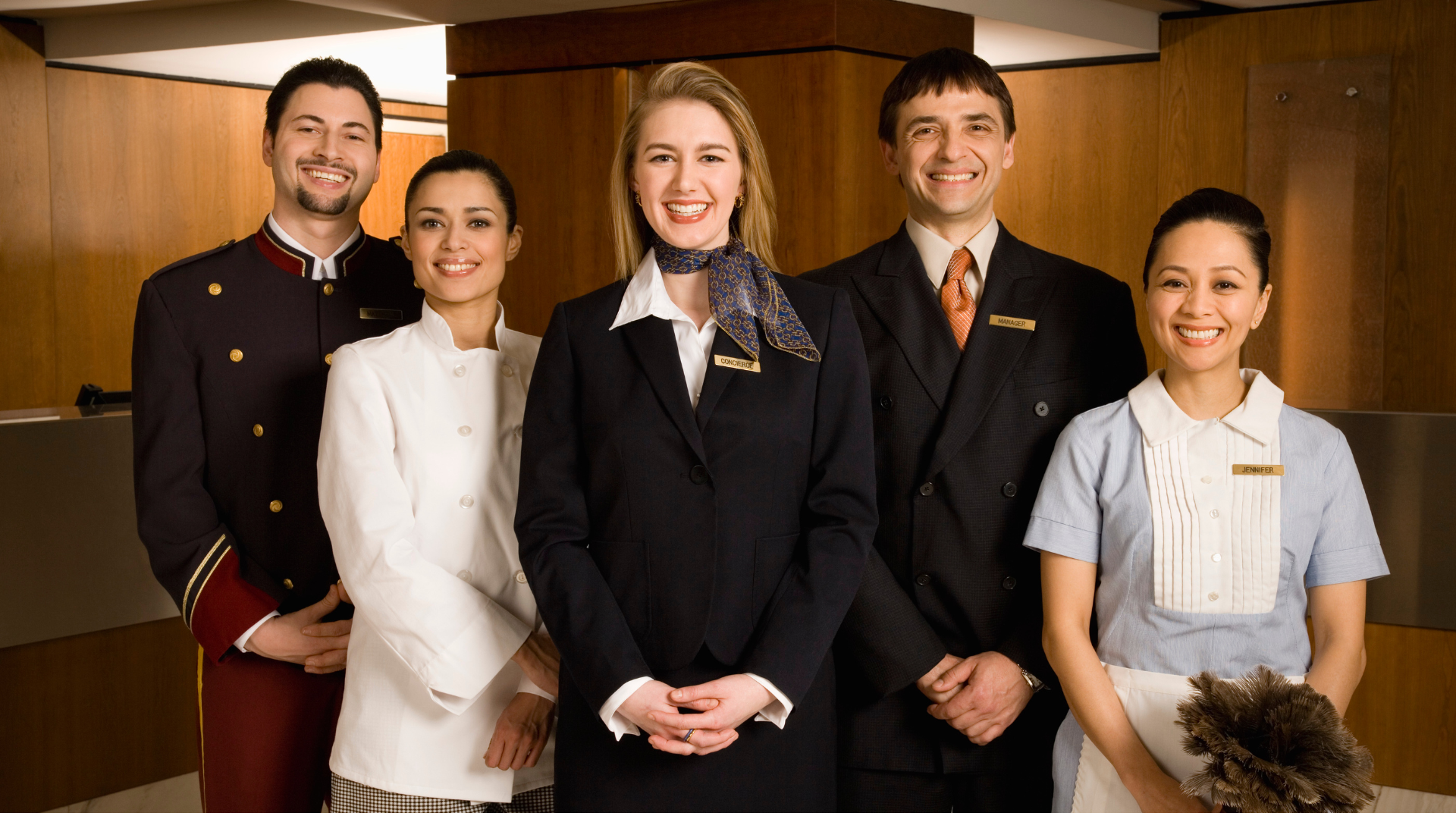
In the hospitality industry, buildings do not create experiences. People do. Guests may book a hotel because of its location or price, but they remember their stay because of how the staff made them feel. A warm welcome, a confident response to problems, and thoughtful service moments are never accidental. They are the direct outcome of structured and continuous hotel staff training.
- What Is Hotel Staff Training?
- Why Hotel Staff Training Is Critical for Hotel Success
- Types of Hotel Staff Training Programs
- Core Skills Every Hotel Staff Member Must Be Trained In
- Designing an Effective Hotel Staff Training Program
- Training Methods Used in Hotels
- Hotel Staff Training Best Practices
- Role of Managers and HR in Hotel Staff Training
- Measuring the Impact of Hotel Staff Training
- Common Challenges in Hotel Staff Training
- Advanced Hotel Staff Training Strategies
- Frequently Asked Questions About Hotel Staff Training
- Conclusion
Hotel staff training is not a one-time activity conducted during joining formalities. It is an ongoing process that shapes service quality, operational efficiency, guest satisfaction, and long-term profitability. Hotels that invest seriously in training build teams that are confident, consistent, and capable of handling both routine operations and unexpected situations with professionalism.
This comprehensive guide on hotel staff training explains what effective training really looks like, how to design strong training programs, and how hotels can turn staff development into a competitive advantage rather than an expense.
What Is Hotel Staff Training?
Hotel staff training refers to the systematic process of teaching hotel employees the knowledge, skills, behaviors, and standards required to perform their roles effectively. It covers everything from technical job skills to soft skills, brand values, safety procedures, and guest handling techniques.
Unlike basic onboarding, hotel staff training is continuous. Onboarding introduces employees to the property, while ongoing training ensures that service quality improves over time. In hospitality, where guest expectations constantly evolve, training must evolve as well. Well-trained staff do not just follow instructions; they understand why standards exist and how their actions influence guest experience.
Hotel staff training is critical because hospitality is a service-intensive industry. Even the best systems and technologies fail if staff are unprepared or disengaged. Training transforms employees from task performers into brand ambassadors.
Why Hotel Staff Training Is Critical for Hotel Success
Hotels operate in an environment where guests compare experiences instantly through online reviews. One poorly handled interaction can undo the impact of dozens of positive experiences. Proper hotel staff training reduces service errors, improves response time, and builds emotional intelligence among employees.
Trained staff understand guest expectations, communicate clearly, and follow service standards consistently. This leads to higher guest satisfaction, stronger reviews, repeat bookings, and positive word-of-mouth. Training also improves operational efficiency by reducing mistakes, wastage, and supervision dependency.
From a management perspective, training builds confidence within teams. Employees who know what to do and how to do it feel less stressed, perform better under pressure, and show higher job satisfaction. This directly impacts staff retention, which is one of the biggest challenges in the hotel industry.
Types of Hotel Staff Training Programs
Induction and Onboarding Training
Induction training sets the foundation for every employee’s journey in the hotel. This training introduces new hires to the hotel’s culture, values, service philosophy, organizational structure, and basic operational standards. A strong induction program helps employees feel welcomed, informed, and aligned from day one.
Effective onboarding reduces early-stage confusion and prevents bad habits from forming. It should include an overview of brand standards, guest expectations, basic SOPs, safety protocols, and role clarity. Employees who start with clarity adapt faster and perform better.
Department-Specific Training
Each department in a hotel requires specialized training. Front office staff must be trained in reservations, check-in procedures, billing accuracy, guest communication, and complaint handling. Housekeeping staff need training on cleaning standards, room inspections, hygiene protocols, and time management.
Food and beverage staff require training on service flow, menu knowledge, hygiene standards, and guest interaction. Maintenance staff must be trained in preventive maintenance, safety procedures, and emergency response. Department-specific training ensures technical competence and reduces operational errors.
Soft Skills Training for Hotel Staff
Technical skills alone are not enough in hospitality. Soft skills training focuses on communication, body language, etiquette, empathy, and emotional intelligence. Guests remember how staff speak, listen, and respond, especially in stressful situations.
Soft skills training helps staff remain calm, polite, and professional even when dealing with complaints or high-pressure situations. These skills are crucial for delivering consistent service quality across all guest touchpoints.
Leadership and Supervisory Training
Hotels that want to grow strong internal leadership must invest in supervisory training. Supervisors and team leaders bridge the gap between management and frontline staff. Their ability to lead, motivate, and solve problems directly affects team performance.
Leadership training prepares employees for future responsibilities, decision-making, conflict resolution, and team management. It also creates a pipeline of capable managers from within the organization.
Core Skills Every Hotel Staff Member Must Be Trained In
Guest Handling and Service Excellence
Guest handling is the heart of hospitality. Staff must be trained to greet guests warmly, anticipate needs, handle requests efficiently, and resolve complaints professionally. Service excellence training teaches staff how to exceed expectations without overpromising.
Well-trained staff understand service recovery techniques, ensuring that even negative experiences are handled gracefully. This skill alone can significantly improve guest loyalty.
Communication and Language Skills
Clear communication prevents misunderstandings and service delays. Staff should be trained to communicate clearly with guests and colleagues. Basic language skills, especially in English or commonly spoken guest languages, enhance guest comfort.
Training should focus on tone, clarity, listening skills, and non-verbal communication. Effective communication improves teamwork and guest satisfaction simultaneously.
Problem-Solving and Complaint Handling
Complaints are inevitable in hotels. Training staff to handle problems calmly and confidently reduces escalation and negative reviews. Staff should be empowered to resolve common issues without always waiting for management approval.
Problem-solving training builds confidence and helps staff make quick, guest-focused decisions.
Time Management and Teamwork
Hotels operate on tight schedules. Staff must manage time efficiently while coordinating with other departments. Training in teamwork and task prioritization ensures smooth operations during peak hours.
Employees who understand their role within the larger operational system perform more efficiently and support each other better.
Designing an Effective Hotel Staff Training Program
Effective hotel staff training starts with identifying training needs. Managers should analyze performance gaps, guest feedback, operational challenges, and service failures to determine training priorities.
Once needs are identified, training objectives should be clearly defined. Objectives must be measurable, such as reducing complaints, improving check-in time, or increasing guest satisfaction scores.
Training content should be structured around SOPs and real-life scenarios. Role-plays, demonstrations, and case discussions make training practical and engaging. A well-designed training program aligns learning with daily operational realities.
Training Methods Used in Hotels
On-the-Job Training
On-the-job training allows employees to learn by doing under supervision. This method is highly effective for operational roles because it connects learning directly with real tasks. Proper supervision and feedback are essential to prevent the formation of incorrect habits.
Classroom and Workshop Training
Classroom training is useful for theory, soft skills, and group discussions. Workshops encourage interaction, role-playing, and scenario-based learning. These sessions help reinforce service standards and company culture.
E-Learning and Digital Training
Digital training platforms allow hotels to deliver consistent training content across shifts and locations. E-learning is especially useful for refresher courses, compliance training, and multi-property operations.
Cross-Training Across Departments
Cross-training exposes staff to multiple departments, increasing flexibility and understanding. It improves teamwork and prepares staff to support operations during staff shortages or peak periods.
Hotel Staff Training Best Practices
Consistency is key in training. All staff, regardless of shift or department, should receive uniform training standards. Training should be continuous, not limited to low-occupancy periods.
Using real guest scenarios makes training relatable and practical. Regular refresher sessions reinforce learning and keep standards fresh. Monitoring training effectiveness through performance reviews and guest feedback ensures continuous improvement.
Training should be positioned as growth, not punishment. When staff see training as an opportunity, engagement increases.
Role of Managers and HR in Hotel Staff Training
Hotel managers play a crucial role in training by setting expectations, modeling behavior, and providing feedback. Their involvement signals the importance of training to staff.
HR teams support training by designing programs, tracking progress, and aligning training with career development. Together, management and HR create a learning culture where improvement is valued.
A strong learning culture encourages curiosity, accountability, and pride in service quality.
Measuring the Impact of Hotel Staff Training
Training effectiveness should be measured through both performance and guest metrics. Improvements in guest satisfaction scores, online reviews, service speed, and error reduction indicate successful training.
Staff retention, engagement levels, and internal promotions also reflect training impact. When training works, hotels see fewer complaints, smoother operations, and more motivated teams.
Regular evaluation ensures training remains relevant and effective.
Common Challenges in Hotel Staff Training
High staff turnover often discourages training investment, but lack of training actually increases turnover. Budget constraints and time limitations during peak seasons also pose challenges.
Hotels can overcome these issues by using modular training, digital platforms, and short refresher sessions. Training does not need to be expensive to be effective; it needs to be consistent and relevant.
Advanced Hotel Staff Training Strategies
Advanced training strategies include personalized training plans based on individual performance, leadership development programs, and technology-driven learning platforms.
Hotels that invest in leadership pipelines reduce external hiring dependency and build strong internal culture. Data-driven training decisions improve efficiency and alignment with business goals.
Frequently Asked Questions About Hotel Staff Training
What is hotel staff training?
Hotel staff training is the process of developing employees’ skills, knowledge, and service behavior to meet hospitality standards.
How often should hotel staff be trained?
Training should be continuous, with regular refreshers and updates based on operational needs.
What skills are required for hotel staff?
Guest handling, communication, teamwork, problem-solving, and technical job skills.
How can hotels improve staff performance?
Through structured training, feedback, recognition, and growth opportunities.
Conclusion
Hotel staff training is not an expense; it is one of the most powerful investments a hotel can make. Trained staff deliver better service, handle challenges confidently, and represent the brand with pride. In an industry where guest experience defines success, people are the strongest competitive advantage.
Hotels that commit to continuous staff training build resilient teams, earn guest loyalty, and achieve sustainable growth. When employees grow, hotels grow with them.