A hotel does not function as separate departments working in isolation. It operates as a living system where every department depends on another, often in real time. A delay at the front desk affects housekeeping. A maintenance issue impacts guest satisfaction. A communication gap between sales and operations can disrupt an entire day’s schedule. This interconnected flow of tasks, decisions, and communication is known as the hotel department workflow.
- What Is a Hotel Department Workflow?
- Why Hotel Department Workflow Matters
- Overview of Major Hotel Departments
- Front Office Department Workflow
- Housekeeping Department Workflow
- Food and Beverage Department Workflow
- Maintenance and Engineering Department Workflow
- Sales, Marketing, and Revenue Workflow
- Accounts and Finance Department Workflow
- Human Resources Department Workflow
- Inter-Department Workflow and Coordination
- Daily Hotel Department Workflow Cycle
- Common Workflow Challenges in Hotels
- Improving Hotel Department Workflow Efficiency
- Technology Supporting Hotel Department Workflow
- Hotel Department Workflow and Guest Experience
- Frequently Asked Questions About Hotel Department Workflow
Hotel department workflow defines how information, responsibilities, and actions move from one department to another throughout the guest journey. When this workflow is structured and clear, hotels operate smoothly even during peak occupancy. When it breaks down, chaos follows quickly in the form of delays, complaints, staff stress, and revenue loss.
This guide explains hotel department workflow in detail. It shows how each department functions individually, how departments coordinate with one another, and how a well-designed workflow supports guest experience, operational efficiency, and profitability.
What Is a Hotel Department Workflow?
Hotel department workflow refers to the structured sequence of tasks, communication, and coordination between hotel departments required to deliver daily operations and guest services. Unlike SOPs, which explain how individual tasks are performed, workflows explain how work moves across departments.
For example, a guest booking triggers actions in sales, front office, housekeeping, and finance. That flow of actions is a workflow. If the flow is smooth, the guest enjoys a seamless stay. If the flow is broken, the guest experiences delays or errors.
Departmental workflow matters because hotels operate continuously. Guests arrive, stay, and depart around the clock. Departments must function in alignment, often without direct supervision, making workflow clarity essential.
Why Hotel Department Workflow Matters
Hotel workflow directly affects service speed, accuracy, and guest satisfaction. A clear workflow ensures that rooms are ready on time, guest requests are fulfilled promptly, and billing is accurate.
Operational efficiency depends on workflow design. When departments know what information they must share and when, duplication of work is reduced and accountability improves. Workflow clarity also reduces staff stress because employees are not constantly improvising or correcting avoidable mistakes.
From a management perspective, strong departmental workflows allow hotels to scale operations, train staff faster, and maintain consistency even during staff turnover.
Overview of Major Hotel Departments
Before understanding workflows, it is important to understand the key departments involved in hotel operations.
The front office manages reservations, check-in, check-out, guest communication, and coordination.
The housekeeping department handles room cleaning, inspections, linen management, and room readiness.
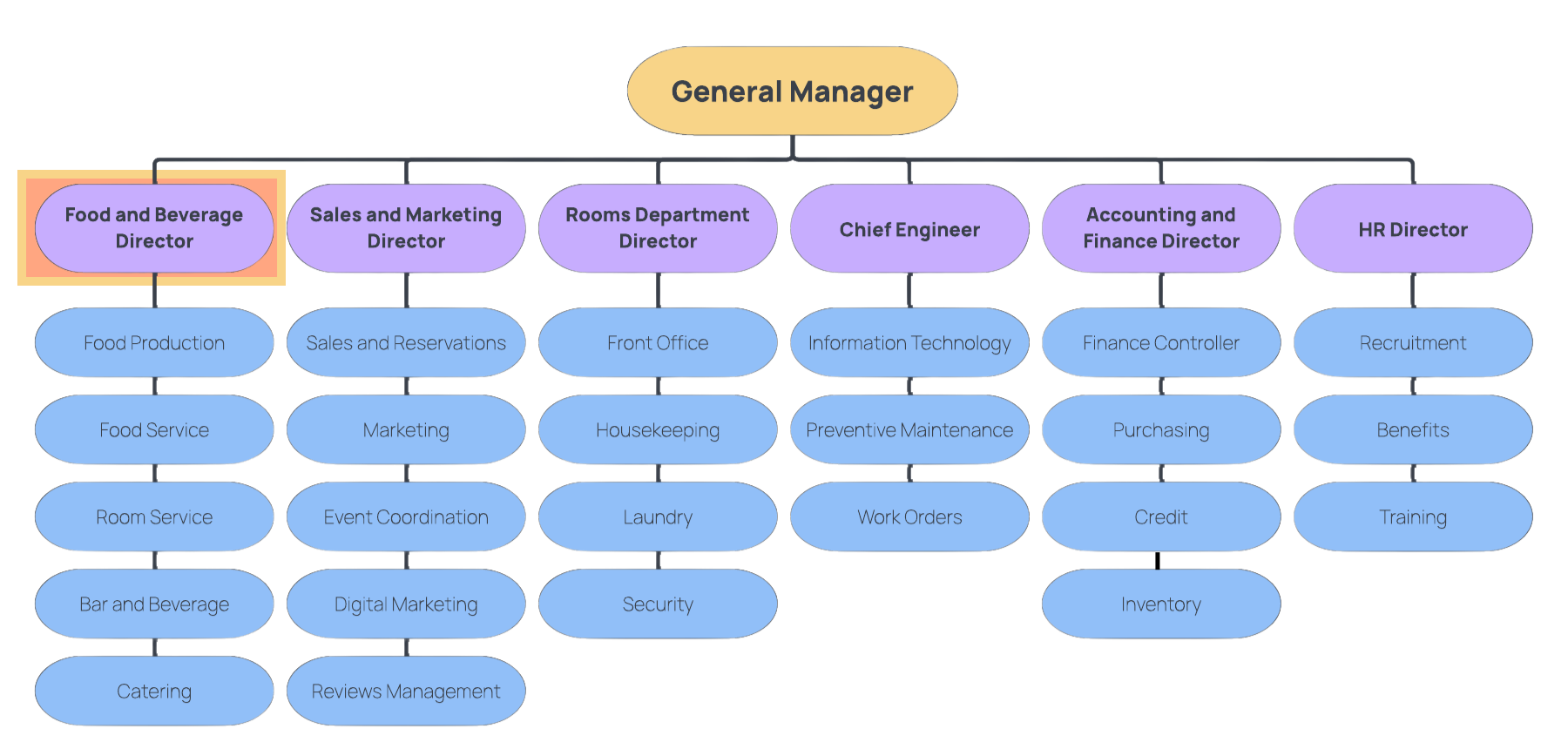
The food and beverage department manages kitchen operations, service delivery, hygiene, and inventory.
The maintenance and engineering department ensures equipment functionality and preventive repairs.
The sales and revenue department manages pricing, distribution channels, group bookings, and events.
The accounts and finance department handles billing, revenue tracking, expenses, and vendor payments.
The human resources department manages recruitment, training, attendance, and payroll.
The security department ensures safety, access control, and emergency response.
Each department has its own responsibilities, but none operate independently.
Front Office Department Workflow
The front office is the nerve center of hotel workflow because it connects guests with all other departments.
Reservation to Arrival Workflow
The workflow begins when a reservation is received through a website, OTA, or sales channel. Reservation details are entered into the system and shared with housekeeping, sales, and finance. Pre-arrival information such as special requests, arrival time, and payment method is communicated internally.
A smooth reservation workflow ensures room availability accuracy and prepares departments in advance.
Check-In Workflow
During check-in, front office verifies guest details, assigns rooms, updates room status, and communicates with housekeeping regarding occupied rooms. Any special requests are relayed to the relevant department.
Efficient check-in workflow depends on real-time room status updates from housekeeping and readiness confirmation.
In-House Guest Handling Workflow
While the guest is in-house, the front office acts as the coordination hub. Guest requests, complaints, or service needs are routed to housekeeping, maintenance, or F&B.
Clear communication channels and defined escalation workflows ensure fast resolution and prevent guest dissatisfaction.
Check-Out and Departure Workflow
At check-out, billing information flows from accounts, room status updates go to housekeeping, and feedback may be recorded for management review. Delayed communication here can cause room release issues and revenue discrepancies.
Housekeeping Department Workflow
Housekeeping workflow directly impacts room availability and cleanliness standards.
Daily Room Cleaning Workflow
Housekeeping receives room status updates from the front office. Rooms are prioritized based on arrivals and departures. Cleaned rooms are inspected and released back to front office for sale.
Accurate room status updates are critical. Even small delays can disrupt check-in operations.
Linen and Laundry Workflow
Used linen flows from guest rooms to laundry, while clean linen is redistributed according to occupancy needs. Poor coordination here leads to shortages during peak periods.
Room Inspection and Release Workflow
Supervisors inspect rooms before release. Inspection results are communicated to front office, ensuring only ready rooms are assigned.
Lost and Found Workflow
Lost items are documented, stored, and communicated to front office for guest follow-up. Clear workflow prevents disputes and protects hotel credibility.
Food and Beverage Department Workflow
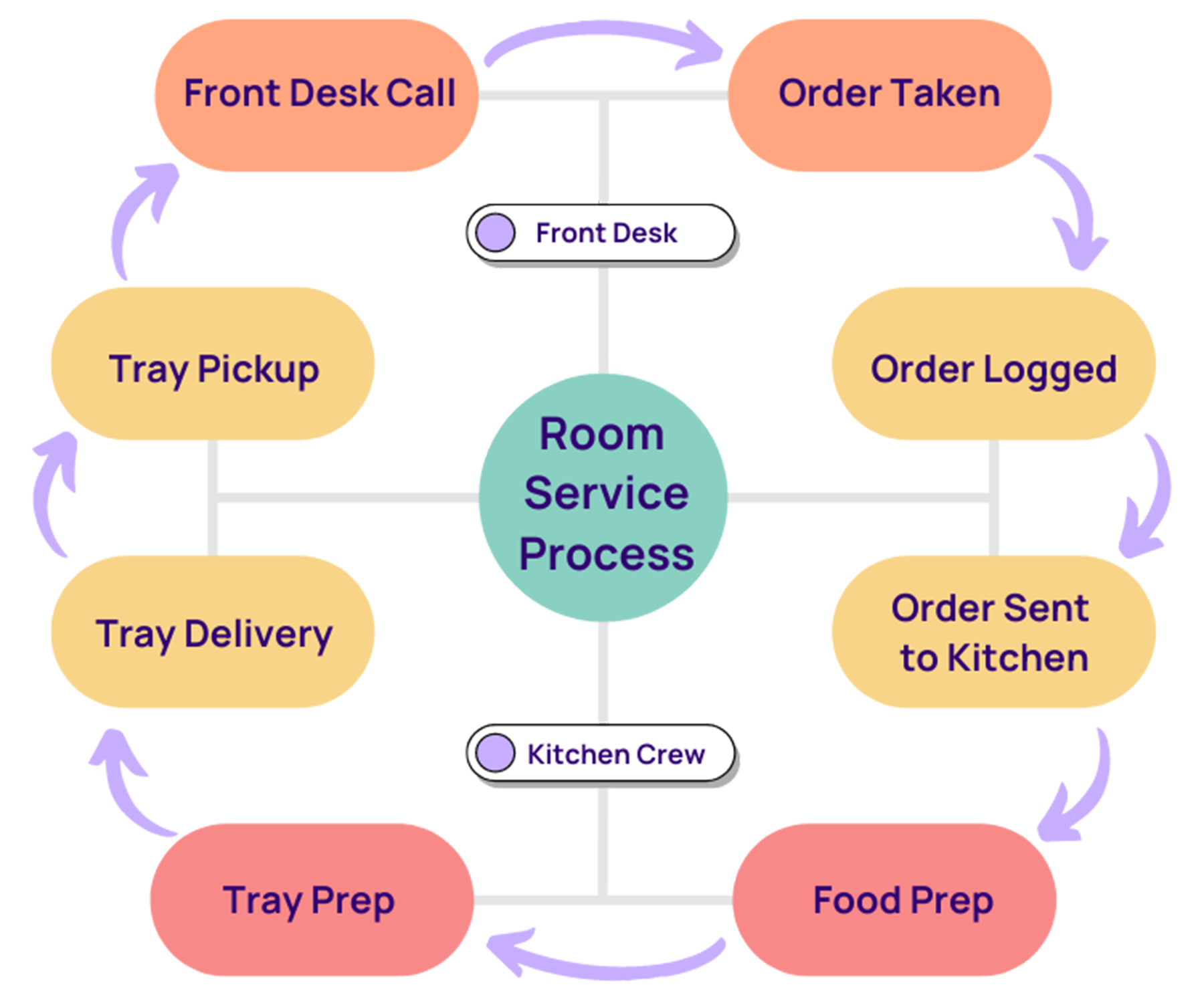
4
Food and beverage workflows involve tight coordination between kitchen, service staff, front office, and accounts.
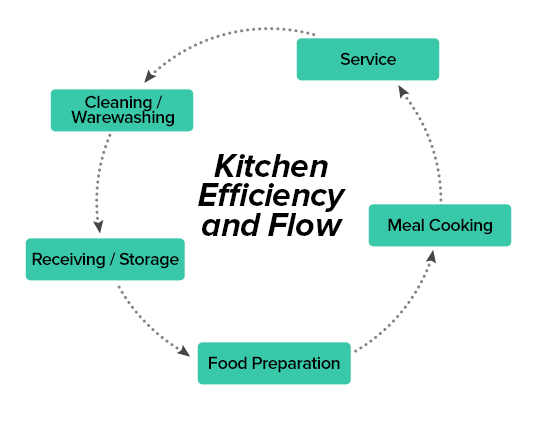
Kitchen Operations Workflow
Inventory ordering, food preparation, service timing, and hygiene checks follow structured workflows. Kitchen communicates service readiness to service staff.
Service Workflow
Orders flow from guests or front office to service staff and kitchen. Completed services are updated for billing and inventory control.
Inventory and Procurement Workflow
Stock levels are monitored and communicated to accounts and procurement. This workflow controls costs and prevents shortages.
Hygiene and Safety Workflow
Regular checks and documentation ensure compliance with food safety standards.
Maintenance and Engineering Department Workflow
Maintenance workflows prevent service disruptions and protect guest comfort.
Preventive Maintenance Workflow
Scheduled checks are planned and coordinated with operations to avoid guest inconvenience.
Breakdown and Repair Workflow
Maintenance requests flow from front office or housekeeping to engineering. Status updates return to front office for guest communication.
Guest Complaint Resolution Workflow
When guests report issues, maintenance must respond quickly and inform front office of resolution.
Asset Tracking Workflow
Equipment usage, servicing, and replacement are documented for long-term planning.
Sales, Marketing, and Revenue Workflow
Sales and revenue workflows connect market demand with operational capacity.
Pricing updates flow to front office and distribution channels. Group bookings trigger coordination with housekeeping, F&B, and finance. Event workflows involve banquet operations, staffing, and billing coordination.
When this workflow is weak, hotels face overbooking, rate errors, or service failures.
Accounts and Finance Department Workflow
Financial workflows ensure accuracy and control.
Daily revenue data flows from front office and F&B to accounts. Billing and payment workflows ensure correct charges and timely settlements. Vendor payment workflows depend on approvals and budget tracking.
Strong financial workflows protect profitability and compliance.
Human Resources Department Workflow
HR workflows support people operations.
Recruitment workflows involve department heads and onboarding schedules. Training workflows align with SOPs and operations. Attendance and payroll workflows depend on accurate departmental inputs.
Efficient HR workflows reduce turnover and improve staff readiness.
Inter-Department Workflow and Coordination
The most critical workflows occur between departments.
Front office and housekeeping coordination determines room readiness. Front office and maintenance coordination ensures quick issue resolution. F&B and sales coordination supports events and group bookings. Operations and finance coordination ensures accurate reporting.
Hotels that formalize these inter-department workflows outperform those that rely on informal communication.
Daily Hotel Department Workflow Cycle
Morning Operations Workflow
Check-outs, room cleaning priorities, breakfast service, and maintenance checks dominate the morning workflow.
Midday Operations Workflow
Room readiness, arrivals, inventory checks, and administrative coordination occur.
Evening and Night Audit Workflow
Check-ins, service delivery, financial audits, and reporting define the night cycle.
Clear handovers between shifts maintain continuity.
Common Workflow Challenges in Hotels
Communication gaps, delayed updates, and unclear responsibilities are common challenges. High occupancy amplifies these issues.
Most workflow problems arise not from lack of effort, but from lack of clarity.
Improving Hotel Department Workflow Efficiency
Align SOPs across departments, use technology for real-time updates, conduct daily briefings, and audit workflows regularly. Continuous improvement prevents breakdowns.
Technology Supporting Hotel Department Workflow
Property management systems, task management tools, and communication platforms improve coordination and reduce manual errors. Technology should simplify workflows, not complicate them.
Hotel Department Workflow and Guest Experience
Guests experience workflow quality indirectly. Seamless check-ins, timely service, and quick problem resolution reflect strong workflows. Failures reveal gaps immediately.
Hotels that design workflows around the guest journey create memorable stays.
Frequently Asked Questions About Hotel Department Workflow
What is hotel department workflow?
It is the flow of tasks and communication between hotel departments required for daily operations.
How do hotel departments work together?
Through structured workflows, shared systems, and regular communication.
Why is workflow important in hotels?
Because service delivery depends on coordination, not individual effort.
How can hotels improve workflow efficiency?
By documenting workflows, training staff, and using appropriate technology.
Hotel department workflow is the hidden structure behind every successful hotel operation. When workflows are clear, departments function as one unit rather than isolated teams. Service becomes faster, errors reduce, and staff confidence improves.
Hotels that invest time in designing, documenting, and refining departmental workflows gain operational stability and guest trust. In hospitality, smooth workflows are not optional. They are essential.